Delivery to Birmingham: £45 flat, 3–7 working days
One flat £45 per order, whatever you buy and whichever Birmingham address it goes to — a flat off the Pershore Road, a house in Sutton Coldfield, a terrace in Kings Heath. No free-delivery threshold, no postcode surcharge, no Birmingham premium. Handling is 2–5 working days and transit 1–2, so 3–7 working days in total, with a tracking link emailed when the bike leaves us.
E-bikes travel with a specialist two-person courier who arranges the delivery day with you directly and brings the boxed bike to your ground-floor threshold. That last part matters in a city of conversions and apartment blocks: the courier delivers to the threshold, not up two flights of stairs. Have someone in who can take a 20–35 kg box, and read the door width before the day if the bike is going into a hallway.
Payment is not the usual card-at-checkout arrangement. You place the order, then we email the payment details — Revolut or UK bank transfer. Nothing is charged automatically and no card details go into the site, so you see the order acknowledged before money moves.
We are online only. There is no Birmingham showroom, no collection point and no test rides — the registered address in Kington, Herefordshire is where returns go, not a shop you can visit. Kington to central Birmingham is roughly 70 miles by road, about an hour and three-quarters, but delivery is a courier booking rather than a drive, so the timescale is the same for Birmingham as for anywhere else in the UK. The detail is on delivery and shipping.
What Birmingham asks of an e-bike
Birmingham is not flat. The city centre sits on the Birmingham plateau at roughly 150 m above sea level, and the ground around it rolls between about 125 m and 180 m before it drops away towards the Avon, the Severn and the Trent. The result is not Alpine, but it is relentless: long drags rather than short walls, and most commutes into the centre finish with a climb, not a descent.
- Out west, the A38 Bristol Road climbs steadily from the centre through Edgbaston and Selly Oak up to the University of Birmingham. It is the busiest commuter corridor in the city and the one where assistance earns its keep.
- Out to the south-west the ground keeps going up to the Lickey Hills, where Beacon Hill tops out at 297 m — the hard end of a weekend ride, and a proper test of brakes on the way back down.
- Into the centre from the north and east the climbs are shorter and steeper: New Town Row and the A34 corridor out towards Birchfield, and the rises through Digbeth and Bordesley.
What that means when you are choosing: a torque sensor matters more here than a big headline range figure. A torque sensor reads how hard you are pushing and adds power as you push, so a climb feels like a stronger version of your own legs. A cadence sensor waits for the crank to turn and then delivers, which is a beat late on a 10% drag. Low gears and disc brakes matter as much as the motor: what goes up in Birmingham comes down again, often in the rain.
Range falls on hills, and it falls further in a West Midlands winter. Treat the quoted maximum range as a dry-day, flat-road figure and expect noticeably less on a hilly commute with the battery cold. If your round trip is 12 miles with 300 m of climbing in it, buy capacity, not a bigger motor.
The blue routes and the canals
Birmingham has two signed, blue-surfaced cycle routes that are genuinely useful for commuting, both segregated two-way and both running into the city centre:
- The A34 blue route — about three kilometres, linking the city centre with Birchfield.
- The A38 blue route — about four kilometres, linking Selly Oak and the University of Birmingham with the city centre along Bristol Road.
Beyond them, the towpaths do the heavy lifting. The Worcester & Birmingham Canal runs from the centre out past Edgbaston Tunnel to the university and on towards Kings Norton and Alvechurch, and the Grand Union and the Birmingham & Fazeley canals pick up the eastern and northern sides. On an e-bike this is the quietest way in and out of the middle of the city, and it is where most Birmingham riders do most of their miles.
Two things to know before you point a 250 W bike at a towpath. First, these are Canal & River Trust waterways: you do not need a permit to cycle the towpath, but you share it with walkers, anglers, boaters and dogs, the surface is uneven and muddy after rain, the bridges are narrow with blind corners, and there are gates. Ride it at walking-plus pace and you will be welcome; ride it like a road and you will not. Second, mudguards and a rack stop being optional — a towpath commute in February throws grit into everything.
The law, as it stands in Birmingham
The only e-bikes you can ride on a public road, cycle lane or cycle track in Birmingham are EAPCs — Electrically Assisted Pedal Cycles. That means a motor rated at no more than 250 W, assistance that cuts out at 15.5 mph, and pedals that actually drive the bike. You must be 14 or over. No licence, no registration, no tax, no insurance requirement — and because an EAPC is legally a pedal cycle, it pays neither the Clean Air Zone charge nor any other road charge.
A 500 W or 750 W motor, a throttle that pulls you without pedalling, or assistance past 15.5 mph puts a machine outside the EAPC definition. Those are for private land with the landowner's permission, or road use once registered and insured as a motor vehicle. We sell both kinds, so we will tell you plainly which side of the line a model sits on: if you want to commute into the city on it, buy the 250 W version.
E-scooters are the part people get wrong. Birmingham does have hire e-scooters — Lime operates them as part of the region's cycle hire scheme under the government's rental trial, and riders must be 18 or over with a valid UK driving licence, riding on roads and cycle lanes but not pavements, within a geofenced area. That permission covers the rental scooters only. It is not permission to ride a privately owned e-scooter: private e-scooters may not be used on public roads, cycle lanes or pavements anywhere in the UK, including Birmingham, and are for private land with the landowner's permission only. Electric unicycles sit in the same place — not legal on public roads.
Which bike suits which Birmingham trip
Suburb to city centre, five days a week. A 250 W commuter or step-through with a rack, mudguards and a torque sensor. The e-bike range covers this ground from Engwe, Hitway and Heybike, and the step-through frame is the one that works in ordinary trousers.
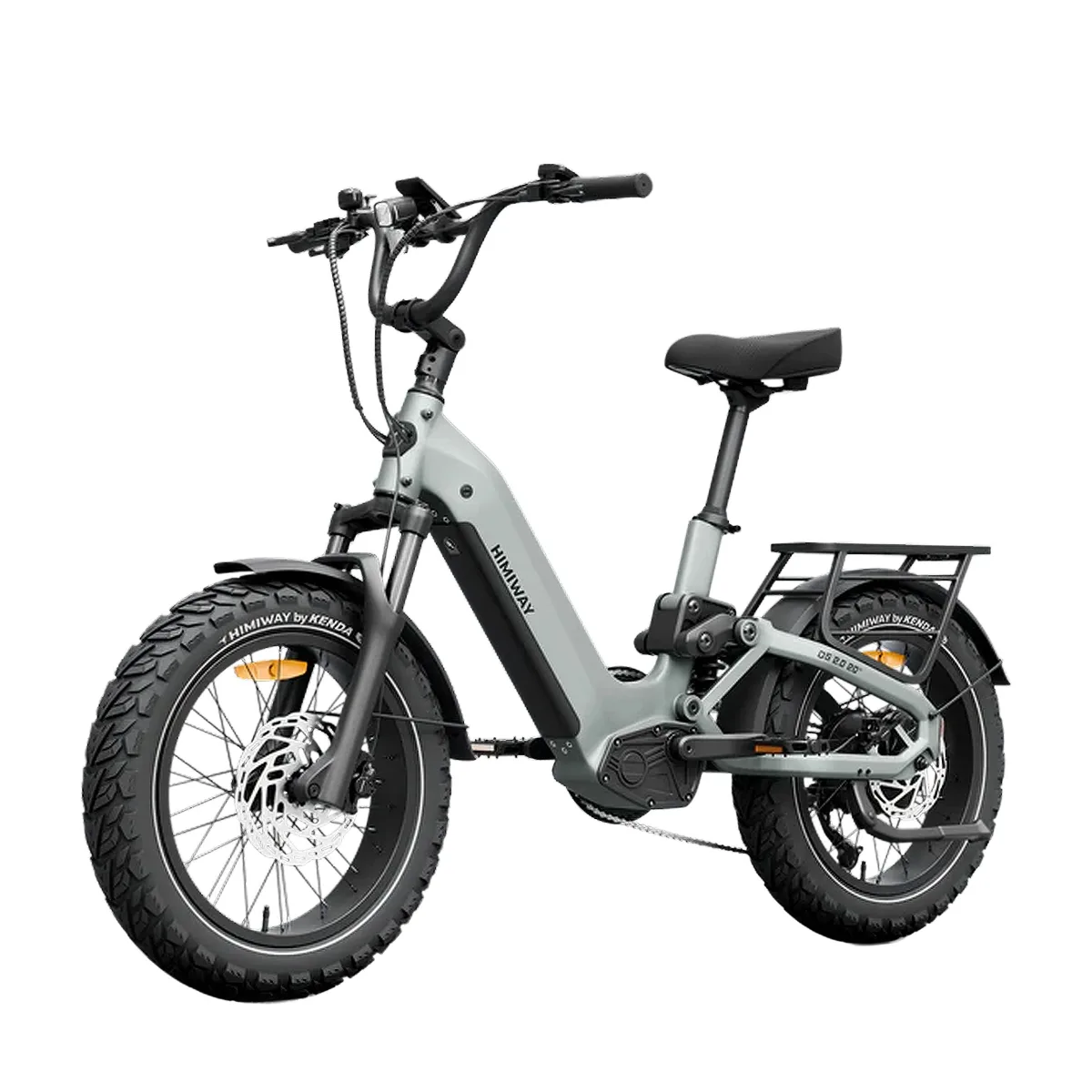
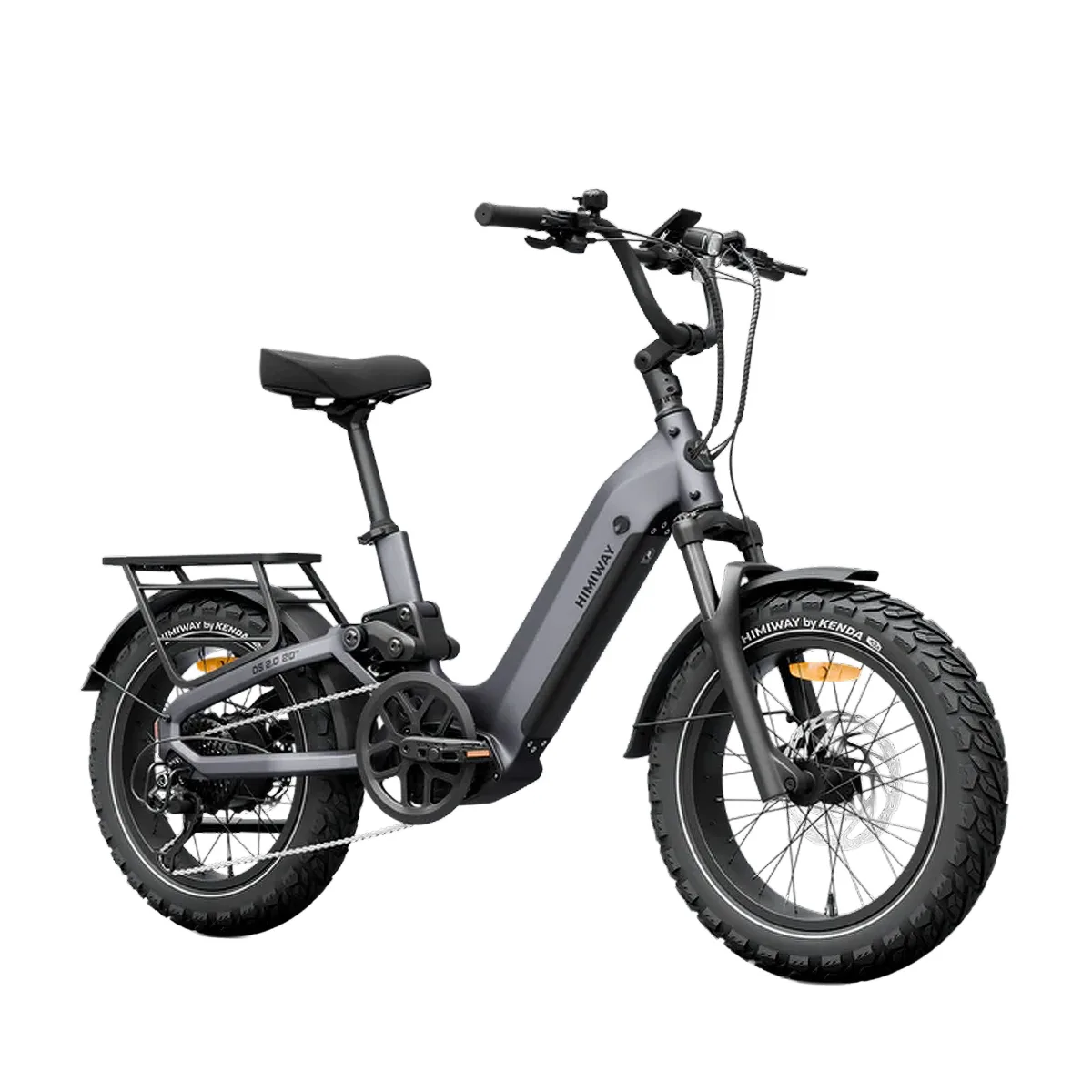
Train plus last mile. A folding e-bike, because it travels on the train as luggage and lives under a desk. The Fiido D11 2025 in the catalogue is the shape of it: 250 W, torque sensor, 19.5 kg, around 54 miles claimed. Check the folded dimensions against your actual train and hallway before buying — folded size, not weight, is what catches people out.
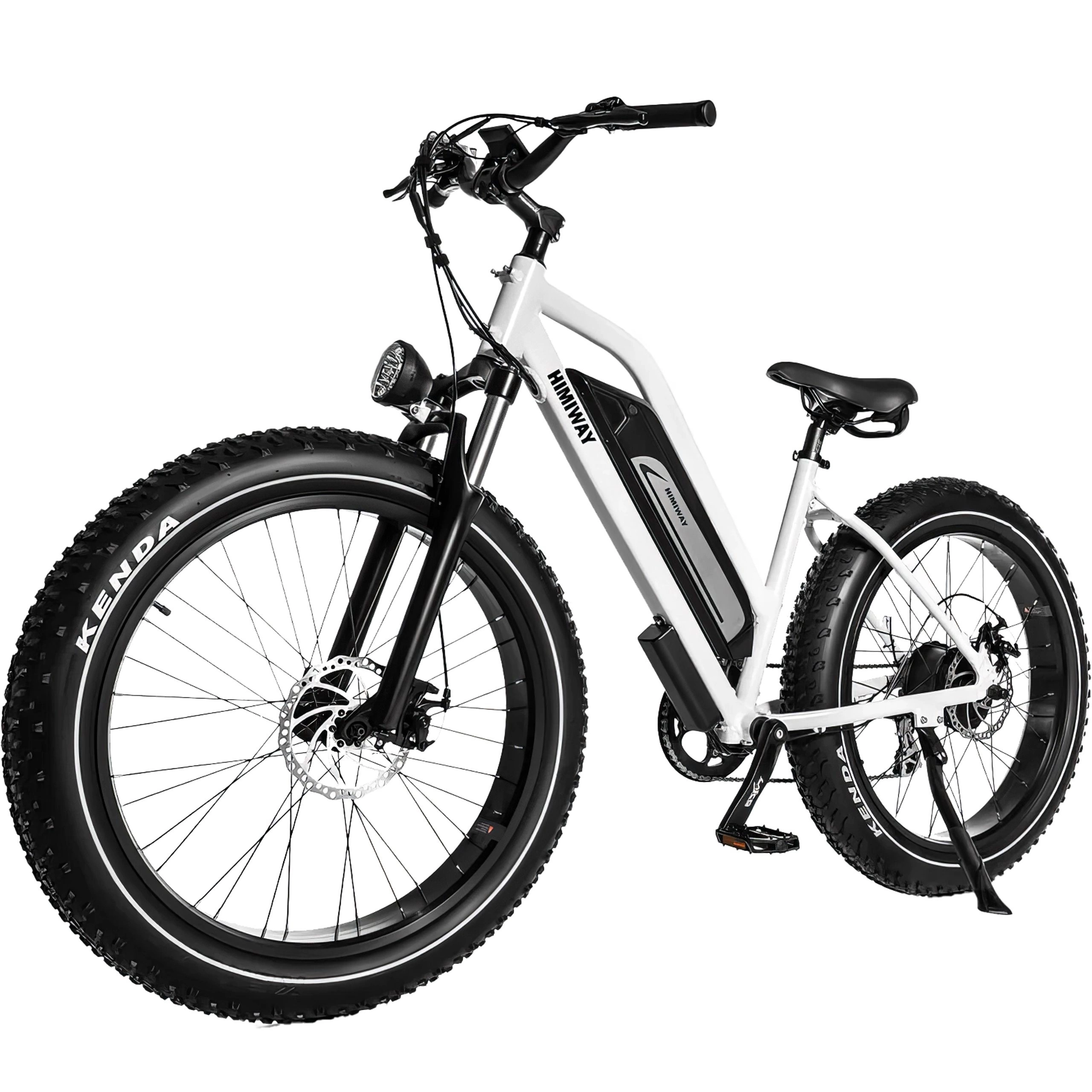
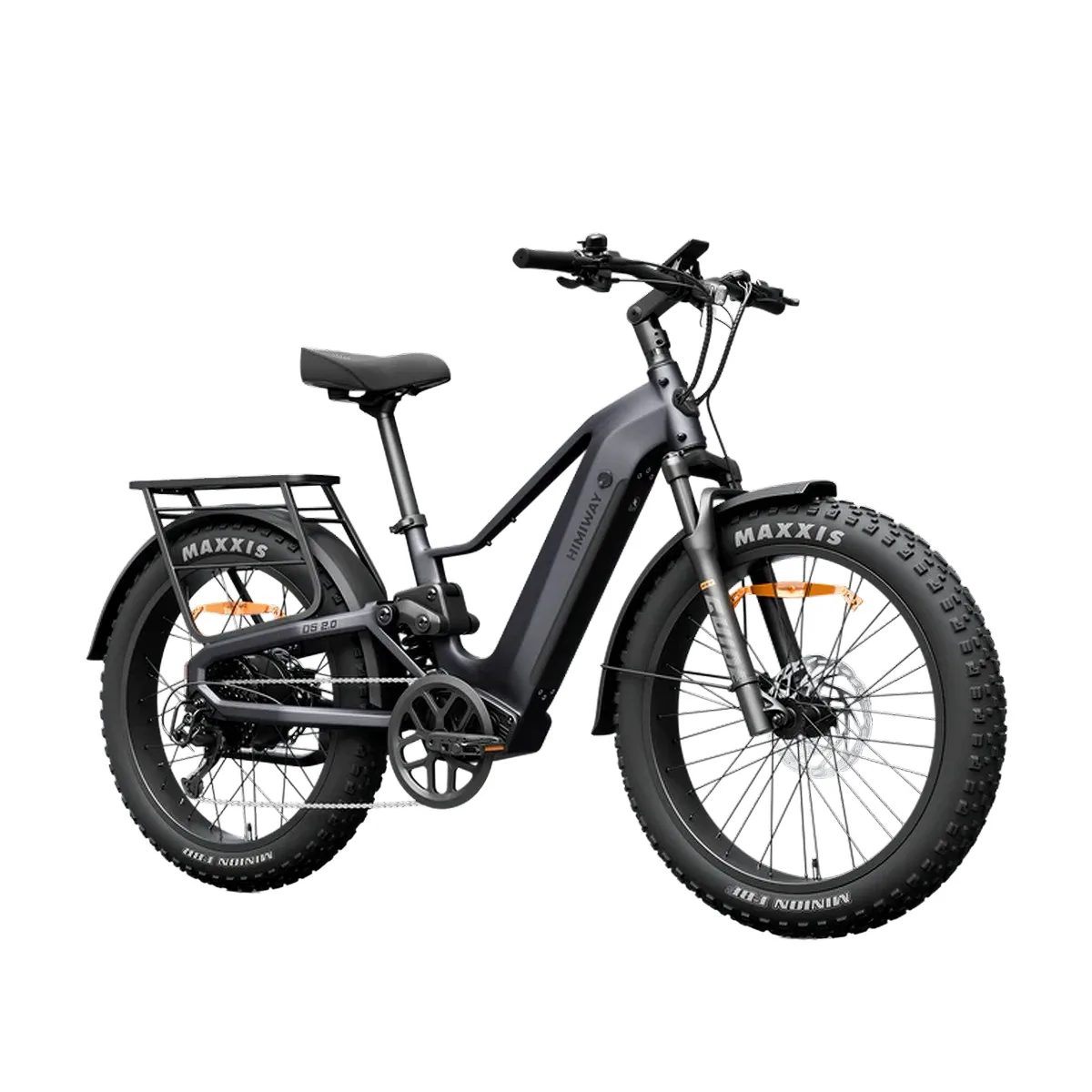
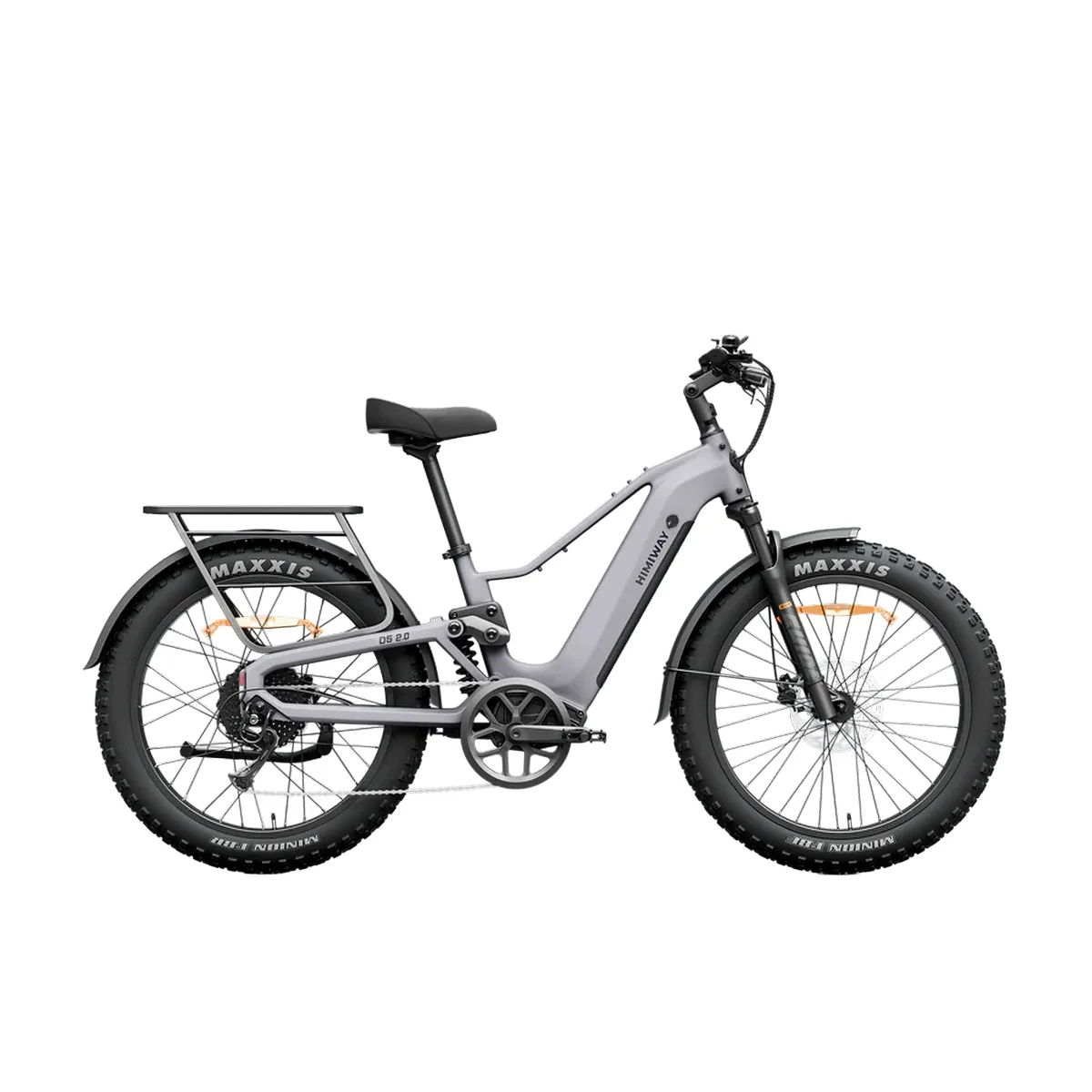
Towpath and weekend miles. Wider tyres and a bit of suspension soak up the towpath surface and the potholes on the way there. Fat-tyre models are heavier to carry but kinder on broken ground.
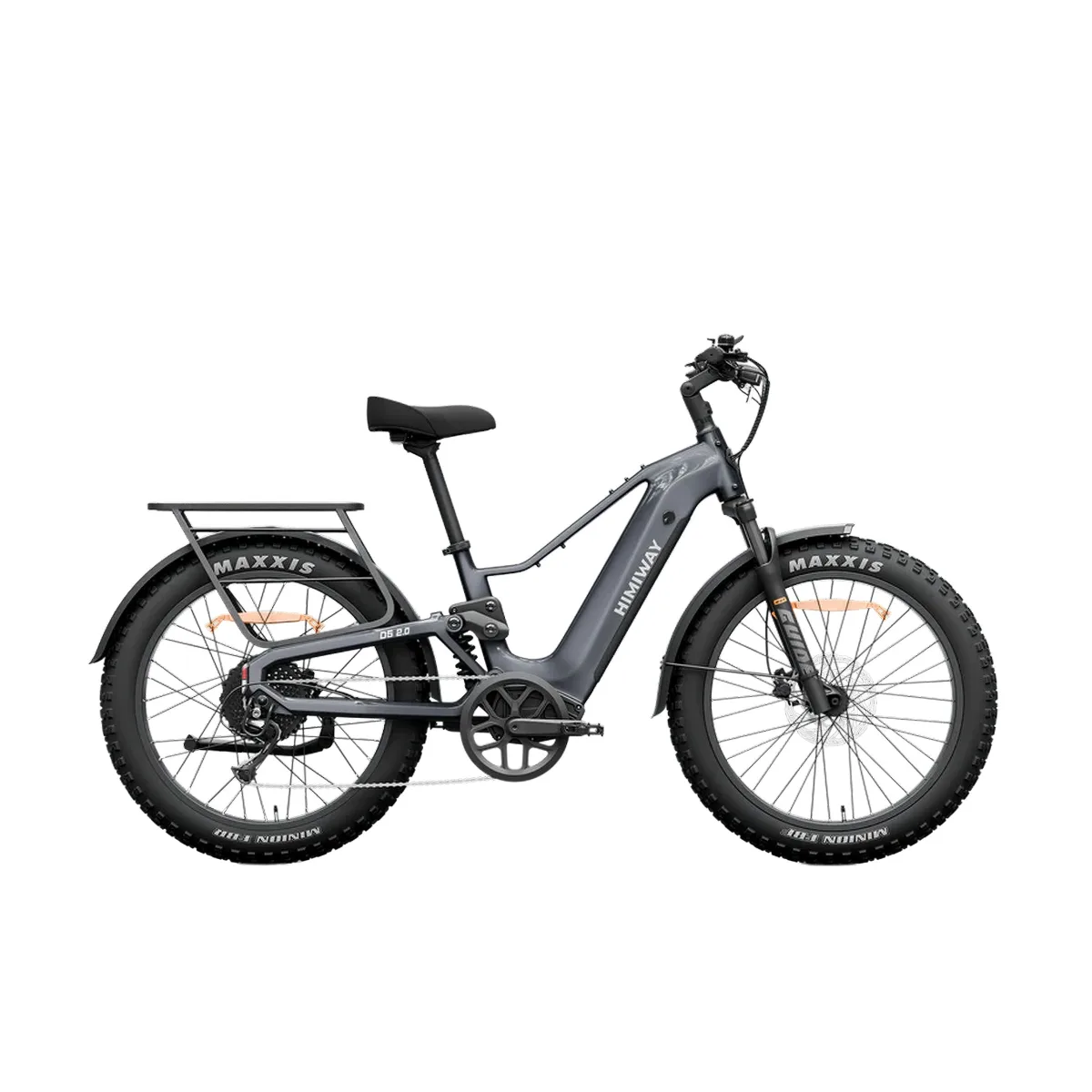
The Lickeys, the Clent Hills and Cannock Chase. An electric mountain bike with hydraulic brakes, for the descents as much as the climbs. Anything above 250 W belongs on private land or a registered machine — see the law above before you buy the fast one.
If your employer runs Cycle to Work, a legal EAPC qualifies and the saving is real. If you are buying used, the refurbished range carries 3–6 months of warranty, stated on each product page, against at least 12 months on a new machine — warranty terms here.
Still deciding between a folder and a full-size bike, or between an e-bike and something else entirely? Ring or WhatsApp +44 7438 918877, Monday to Friday, 9am–5:30pm. Straight answers, including the one where we talk you out of the wrong machine.