Delivery to London: £45 flat, 3–7 working days
One flat £45 per order, whatever you buy and whichever London address it goes to — a flat in Camden, a house in Bromley, a workshop in Barking. There is no free-delivery threshold and no postcode surcharge. Handling takes 2–5 working days and transit 1–2, so 3–7 working days in total, with a tracking link emailed when it leaves us.
E-bikes go out with a specialist two-person courier who arranges the delivery day with you directly and brings the bike to your ground-floor threshold. If you live in a block with a lift, or on the second floor of a conversion, that is worth knowing before the day: the courier delivers to the threshold, not up the stairs. Have someone there who can take a 20–35 kg box.
Payment works differently to most sites. You place the order and we email the payment details — Revolut or UK bank transfer — after the order is in. Nothing is charged automatically and no card details go into the site, which suits buyers who would rather see the order acknowledged before money moves.
We are online only. There is no London showroom, no collection point and no test rides, and the registered address in Kington, Herefordshire is where returns go, not a shop you can visit. Kington to central London is roughly 150 miles by road, about three hours — but delivery is a courier booking, not a drive, so the timescale is the same for London as for anywhere else in the UK. Full terms are on delivery and shipping.
What makes an e-bike legal on London's roads
The only e-bikes you can ride on a public road, cycle lane or cycle track in London are EAPCs — Electrically Assisted Pedal Cycles. That means a motor rated at no more than 250 W, assistance that cuts out at 15.5 mph, and pedals that actually drive the bike: the motor assists, it does not propel on its own. You must be 14 or over. No licence, no registration, no tax, no insurance requirement. And because an EAPC is legally a pedal cycle, it pays neither the Congestion Charge nor the ULEZ.
Anything above that — a 500 W or 750 W motor, a throttle that pulls you without pedalling, assistance past 15.5 mph — is not an EAPC. Those machines are for private land with the landowner's permission, or for road use once registered and insured as a motor vehicle, and that registration route is not something most buyers want to take on. We sell both kinds, so we will say plainly which side of the line a model sits on: if you want to commute into the City on it, buy the 250 W version.
This is the point most London buyers get wrong. A 30 mph folding bike looks like better value on paper and is unusable on the road you bought it for.
The Cycleways network, and how it rides
TfL's Strategic Cycle Network reached 431 km in October 2025, up from 403 km the year before and roughly five times its 2016 length, and TfL puts 29 per cent of Londoners within 400 m of it. In practice that means most inner and many outer borough journeys now have a signed, protected or traffic-calmed line to follow rather than a route you invent on the day.
Three things make it work on an e-bike and three things to watch:
- Protected tracks along the major roads are where the 15.5 mph assist cap feels natural — you hold a steady speed and traffic passes you rather than the other way round.
- Quieter back-street routes are slower, narrower and full of give-way junctions, so plan on an average well below the cap. Ten miles of back streets is 50–60 minutes, not 40.
- River crossings are the bottleneck. Bridges concentrate everyone onto a handful of crossings, and the ramps and approach junctions are where you want decent brakes and confident handling rather than a 36 kg fat-tyre machine.
- Canal towpaths and park paths have their own rules, set by the Canal & River Trust and by each borough or the Royal Parks — check before you assume a cut-through is legal, and expect pedestrians to have priority everywhere.
- Borough roads across much of inner London run at 20 mph, so on a legal e-bike you are not the slowest thing on the road.
- Lock it properly. A London commute bike lives outdoors; budget for a Sold Secure-rated D-lock and lock the frame and a wheel to something fixed, every time, including a five-minute stop.
Folding e-bikes and the train
This is the one London rule that changes which bike you should buy. Under TfL's Conditions of Carriage, a folded cycle — including a folded e-bike — can be taken anywhere, at any time, on almost all TfL services: bus, Tube, Overground, Elizabeth line, DLR. On a bus the driver can still refuse if it is too busy, and you must fold it before boarding a train, and on stairs and escalators.
A non-folding e-bike is a different story: it is not allowed on the Tube, Overground, Elizabeth line or DLR at all, and that includes a standard bike converted with a kit. Folding e-bikes are also not allowed on the cable car, and no e-scooter of any kind is permitted on any TfL service.
So if your commute is ride-train-ride — Bromley into the City, Walthamstow into the West End, anything crossing a zone boundary in bad weather — a folder is the only version that works, and it has to be genuinely foldable, not just marketed as such. National Rail operators and their bike policies vary by company, so check your specific route.
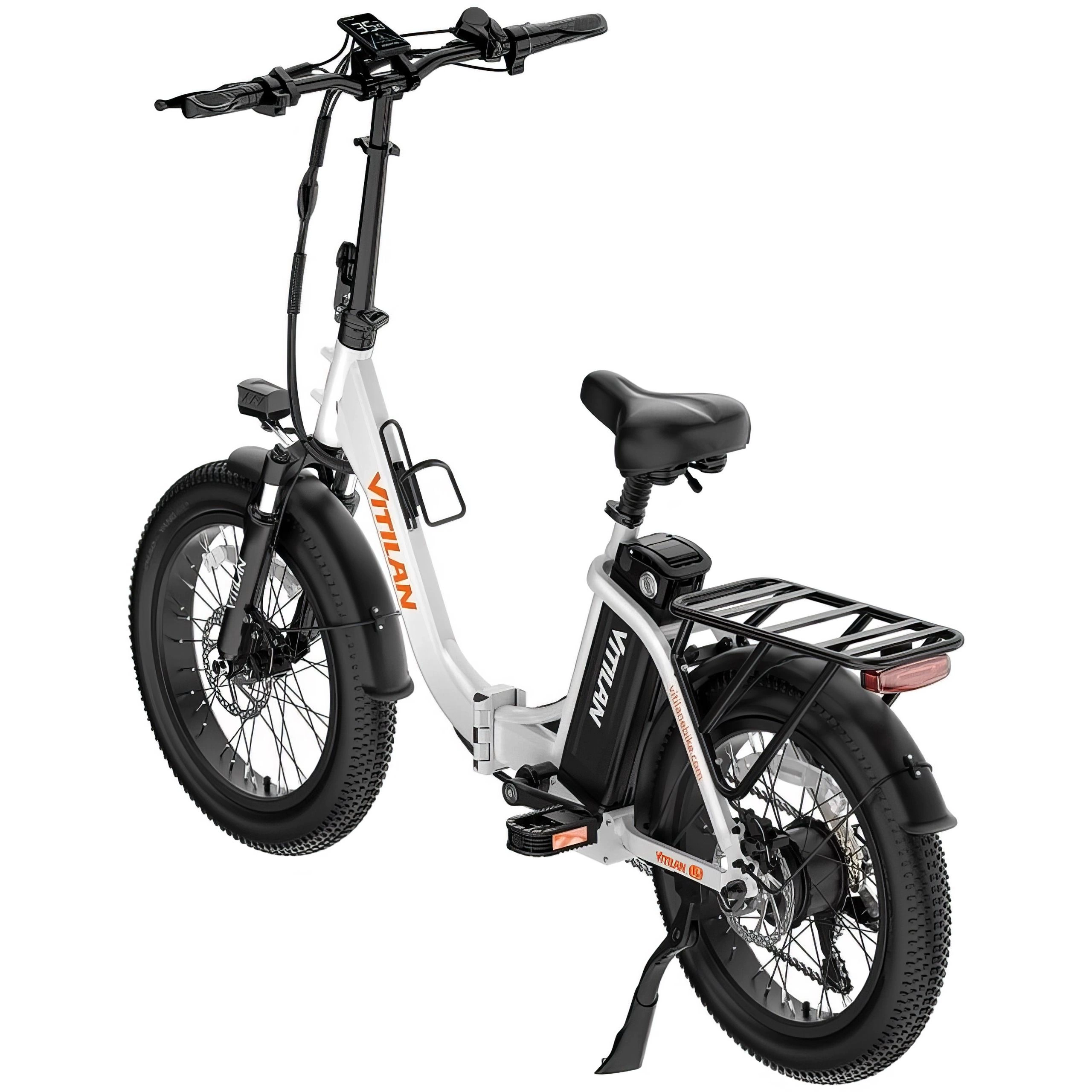
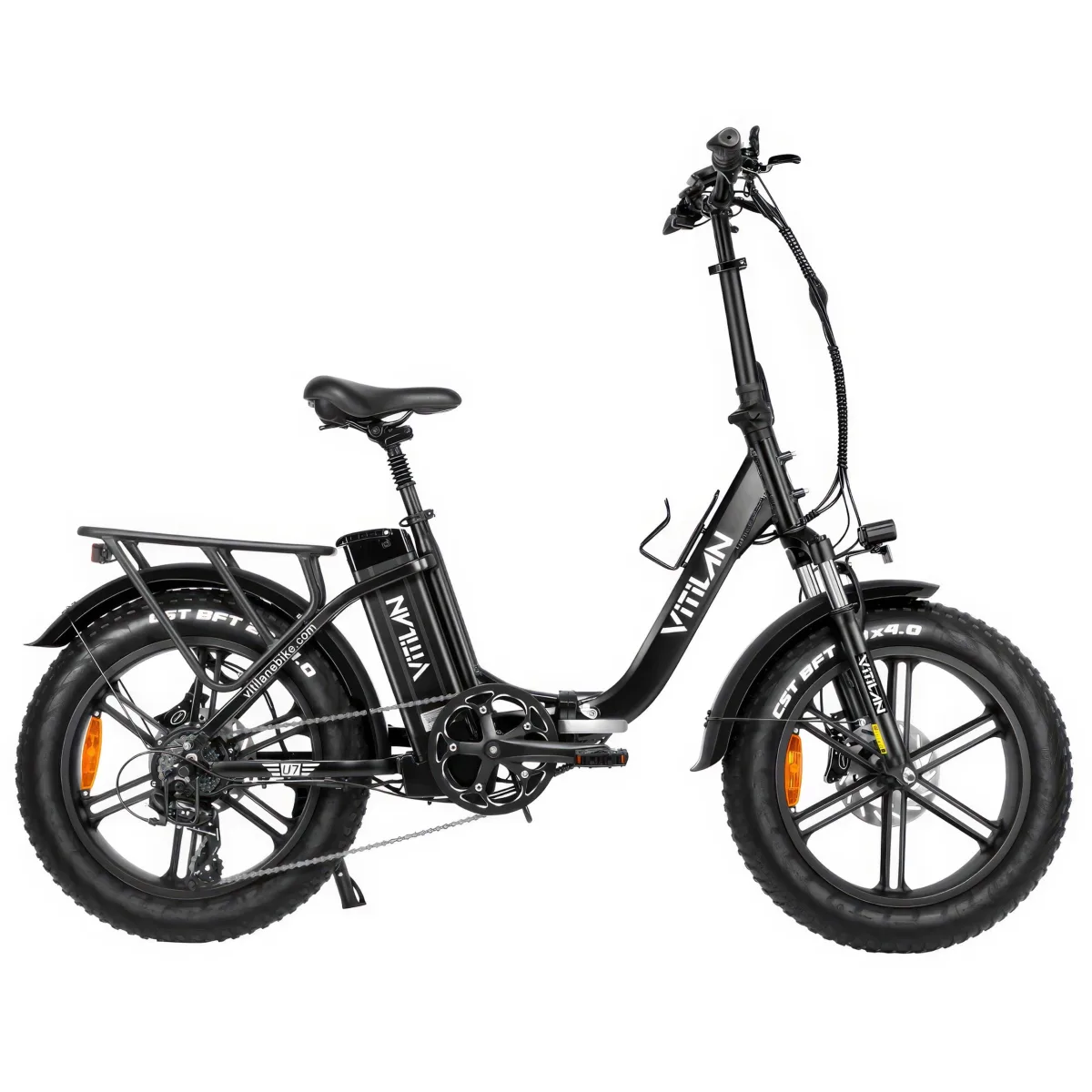
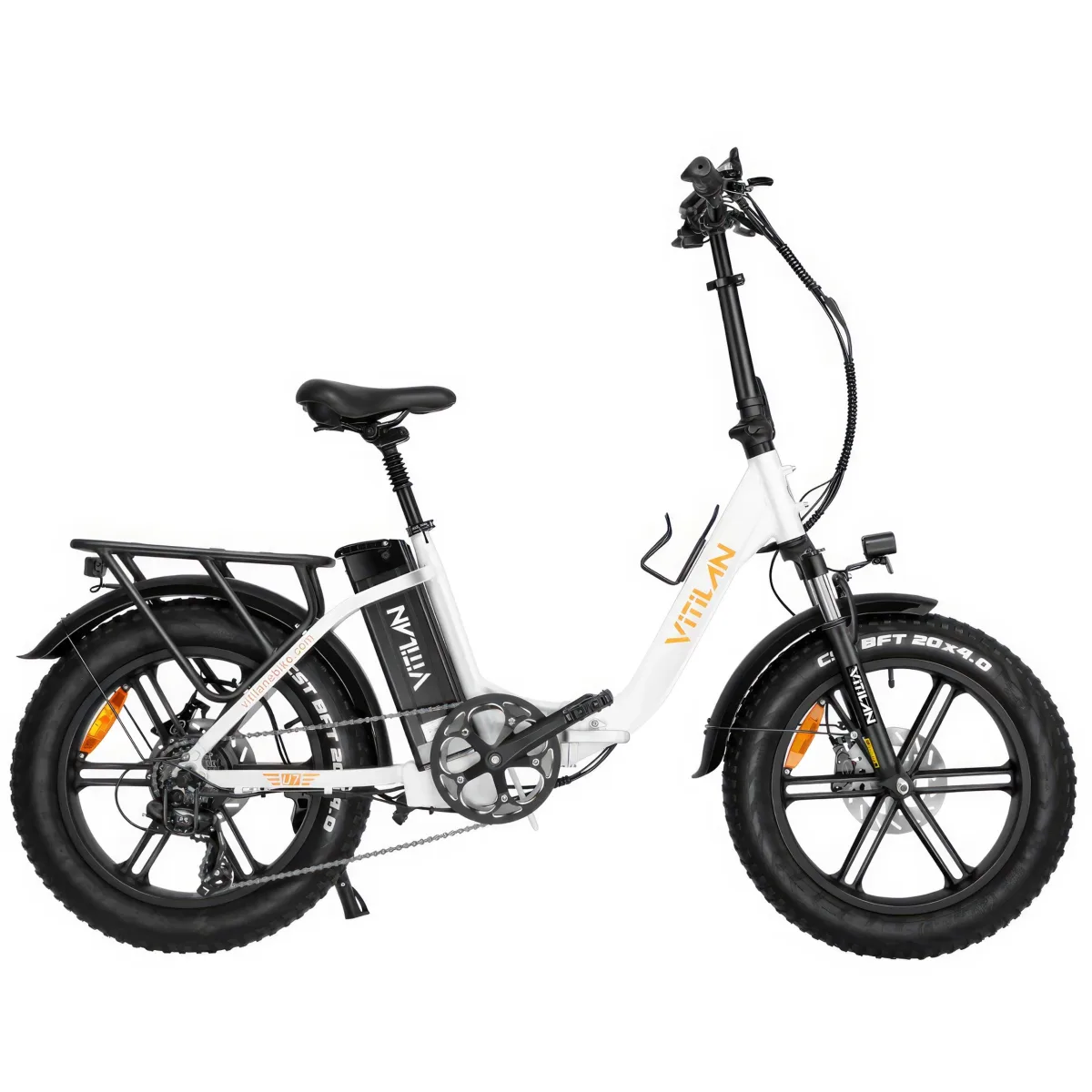
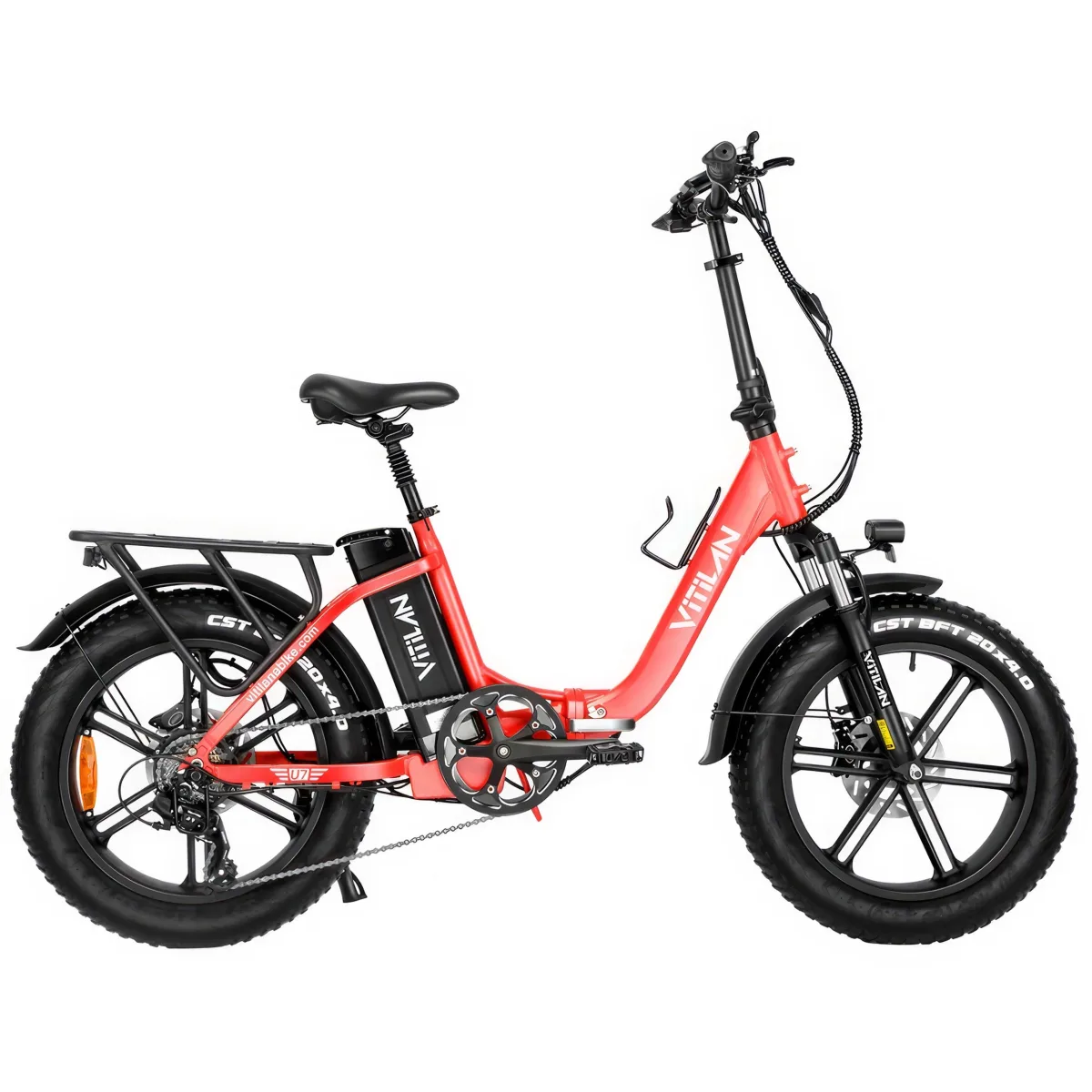
Weight decides whether you actually fold it. Folding e-bikes in our range run from about 14 kg up to 36 kg; the heavy ones are fine in a garage and miserable on a station staircase. Look at the e-bikes we stock and filter by weight before anything else.
Which bikes suit a London commute
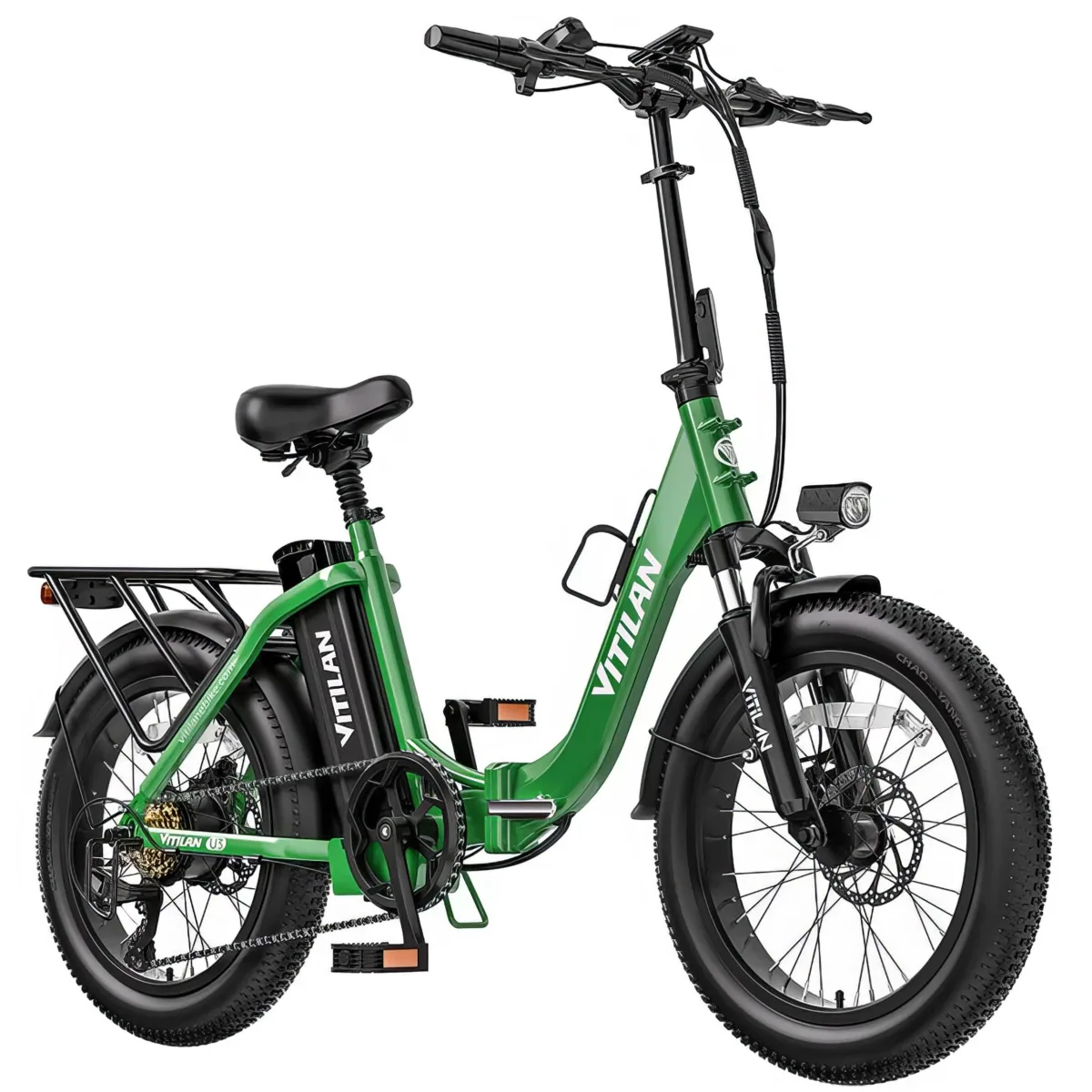
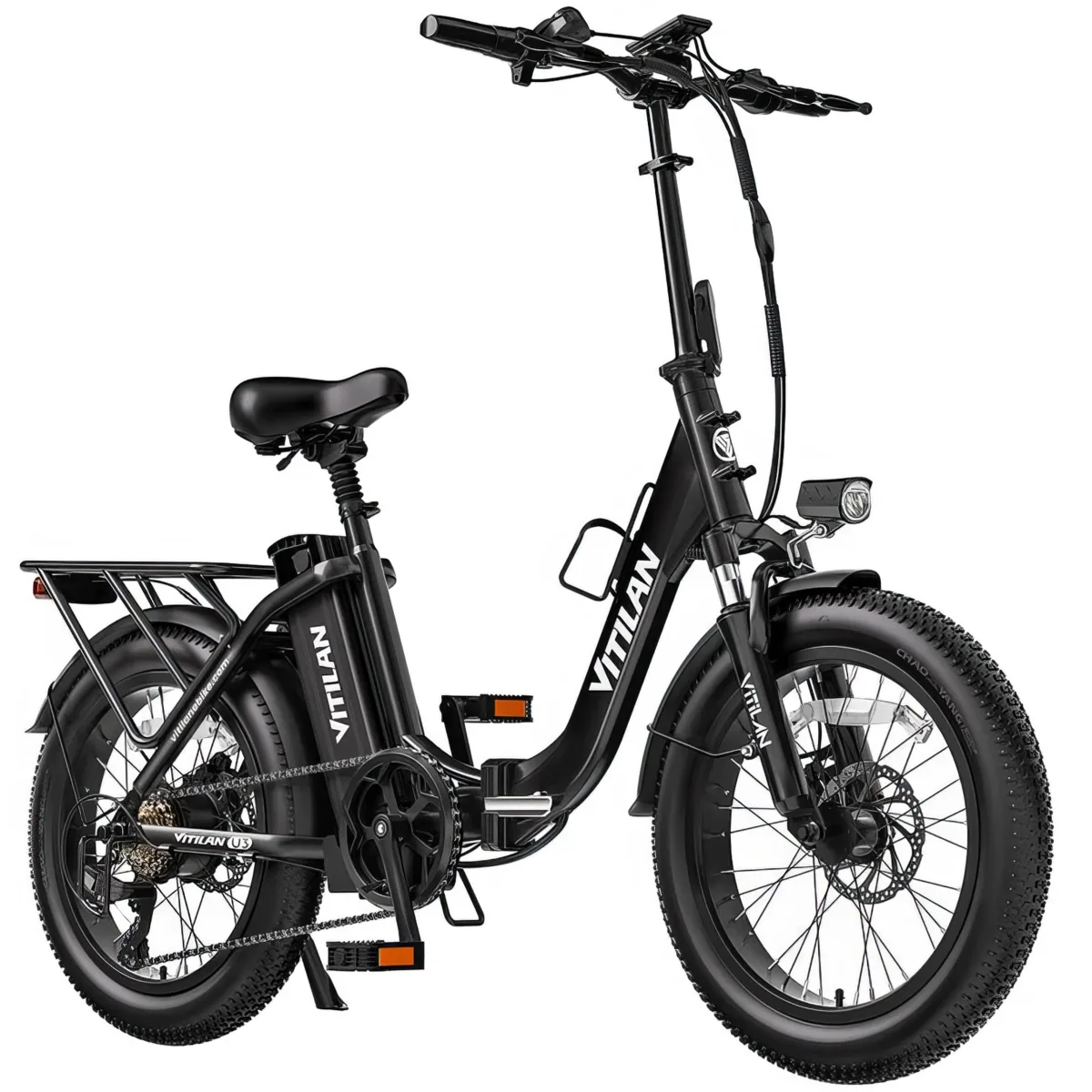
Folding, for the train and a flat with stairs. The Fiido D11 is a 250 W folder at around 18.6 kg with a claimed 62 miles of range — the sensible answer for a mixed ride-and-rail commute. The Cyrusher Sonder is a 250 W folder at about 22 kg and 53 miles. Both are legal EAPCs.
Upright commuter, for a full ride in. The Engwe P275 SE is 250 W, around 25 kg, with a claimed 62-mile range and a riding position that works in traffic. See the rest of the Engwe range if you want the geometry with a bigger battery.
Light and simple, for a short flat run. The Hitway BK19 is 250 W at about 20 kg with a 50-mile claim — the cheapest way into a legal London commuter, and light enough to carry up a flight. The Fiido Air is a 250 W carbon-framed bike at roughly 14 kg if weight is the thing that decides it for you.
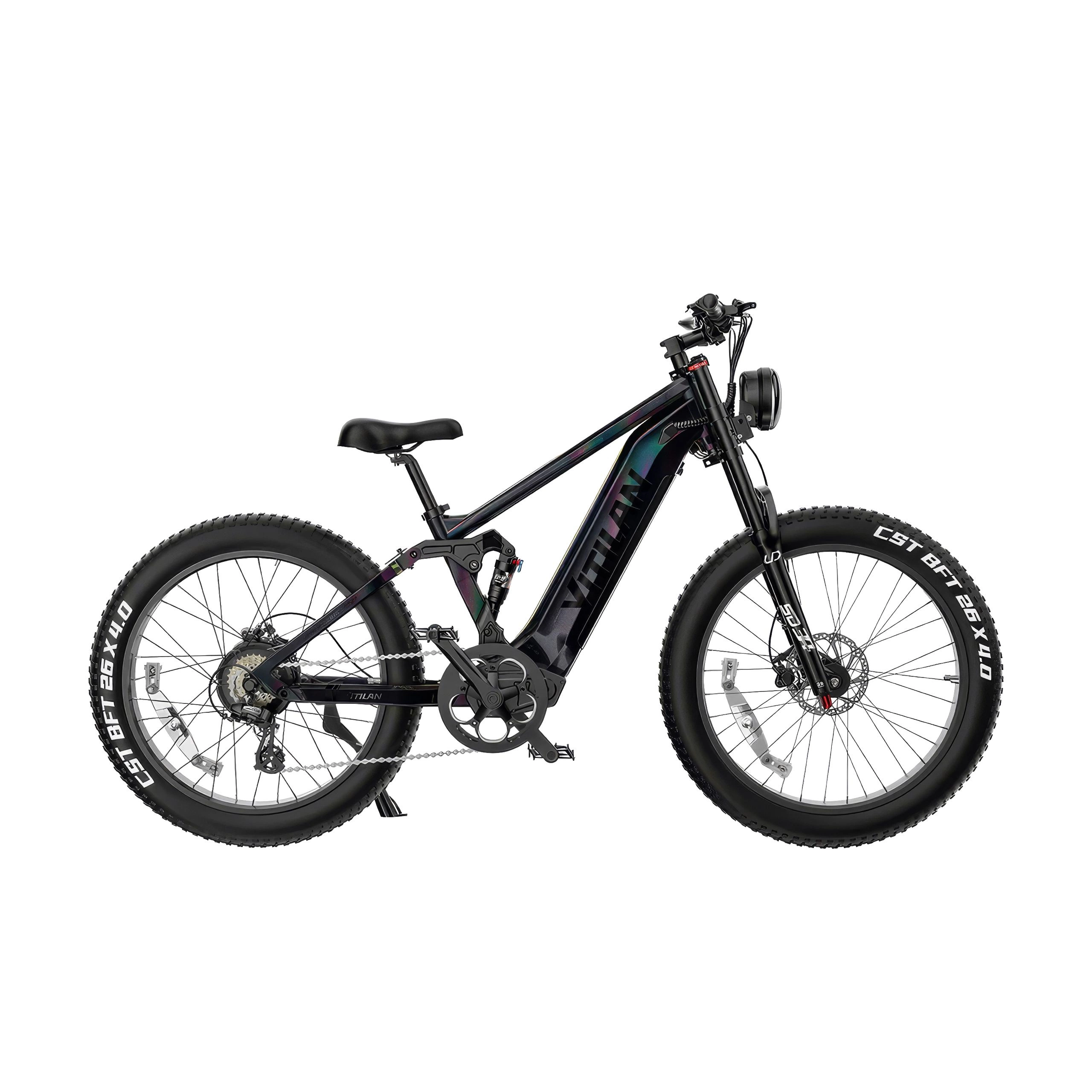
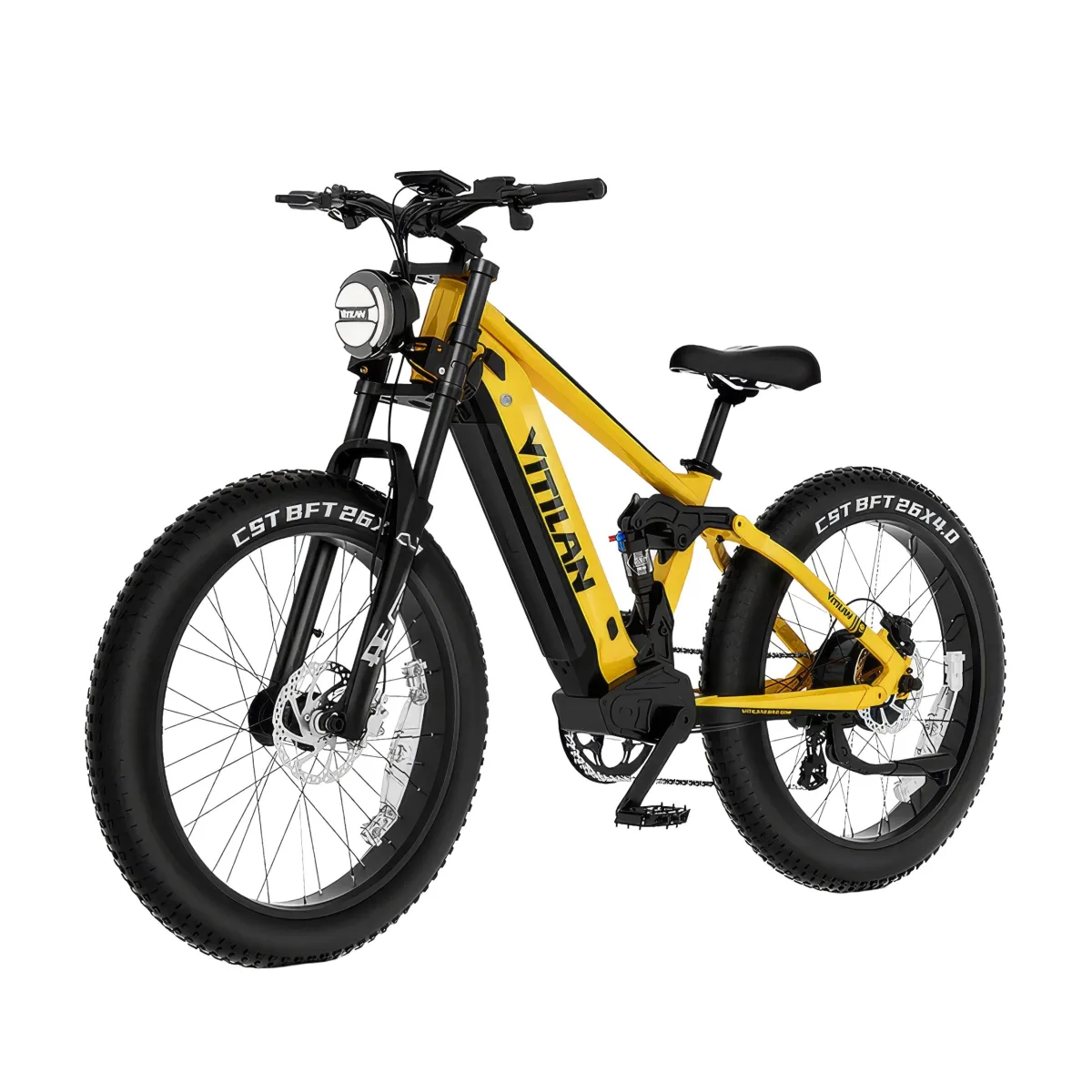
What to skip: 4.0 fat-tyre folders and 30 mph machines. Fat tyres add several kilos you will feel on every staircase and station platform, and the fast ones are not road legal. A cargo e-bike makes sense if you are moving children or kit, but it needs somewhere secure and level to live, and it is not a train bike.
Budget for the accessories that London actually demands: mudguards, a proper lock, and lights that are brighter than the ones in the box.
Wet weather and mild winters
London winters are wet and rarely properly cold, which is good for the bike and bad for the battery's claimed range. Expect real-world range to fall noticeably in January and February — a bike claiming 50 miles might give you 35 in the cold with a headwind, and a 20-mile round commute is still comfortable on most of these. Charge the battery indoors, in a room you would be happy to leave it in, and store it at room temperature rather than in a cold shed or a bike store; do not charge a cold battery straight off a winter ride, let it come up to temperature first.
For the bike itself, rim brakes are adequate on a flat commute and hydraulic discs are better on the bridges and in traffic; either way, wet grit eats pads, so check them monthly through the winter. Clean and dry the chain, keep the battery contacts dry, and do not pressure-wash the motor or the display.
Buying in autumn is not a bad idea: you get the wet-weather kit sorted before the clocks go back, and a 12-month manufacturer warranty starting in October covers the worst of the year.
The e-scooter and EUC rules in London
Straight answer: a privately owned e-scooter cannot be ridden on a London road, cycle lane or pavement. It is legal only on private land with the landowner's permission. The same goes for electric unicycles. Riding one in public risks a fine and penalty points.
What is legal in London is the government's rental trial, run by TfL and London Councils with Lime and Voi, in eleven boroughs: Camden, the City of London, Ealing, Hammersmith & Fulham, Kensington & Chelsea, Lambeth, Richmond upon Thames, Southwark, Tower Hamlets (limited parking at Canary Wharf and some TfL stations), Wandsworth and Westminster. Those rental machines are capped at 12.5 mph for riders of 18 or over with at least a provisional licence, must be started and ended in a marked bay, and may use TfL cycle tracks inside the participating boroughs.
The trial is permission for those rental scooters only. It is not permission for a private one, and a private e-scooter bought from us or anywhere else is for private land. If you want to commute legally in London on two electric wheels, that is an EAPC e-bike. We stock e-scooters and electric unicycles and we will tell you this every time you ask.
Paying, Cycle to Work and returns
If your employer runs Cycle to Work, a legal EAPC qualifies, and that is a real saving on a commuter bike — see Cycle to Work. Payment options and finance-style questions are covered on support.
You get 14 days to cancel for a full refund including the £45 delivery; change of mind up to 30 days carries a 25 per cent restocking fee after day 14. Faulty, damaged or wrongly supplied items are collected and refunded in full at our cost, and damage reported within 48 hours of arrival is replaced or refunded. Every new machine carries at least a 12-month manufacturer warranty, with us handling the claim — details on returns and refunds and warranty.
Before you buy, ring or WhatsApp on +44 7438 918877, Monday to Friday, 9am–5:30pm. Tell us the postcode, the distance and whether there are stairs, and we will tell you if the bike you are looking at is wrong for it.