Delivery to Newcastle: flat £45, 3–7 working days
One flat £45 per order, whatever the basket and whichever Tyneside address it goes to — a Quayside flat, a terrace in Heaton, an upstairs flat in Jesmond, a semi in Gosforth, a house in Low Fell or out at Whitley Bay. No postcode surcharge, no hills premium, no free-delivery threshold to spend your way past.
Newcastle is about 245 miles by road from our registered address in Kington, Herefordshire, which is four and a half to five hours in a car. That distance does not set your delivery time. Handling is 2–5 working days and transit is 1–2, so the bike lands in 3–7 working days — the same window as anywhere else in the UK, and the same £45. A tracking link is emailed when it leaves us.
E-bikes travel with a specialist two-person courier who arranges the delivery day with you directly and brings the boxed bike to your ground-floor threshold. In Newcastle that last word does real work. A boxed e-bike is 18 kg at the lightest and 30 kg and more on the fat-tyre machines, and the courier does not carry it up a stair. If you live above a shop on the Quayside, in an upstairs Jesmond flat or in a Byker maisonette, have someone in who can take the weight at the bottom, and walk your gate, steps and hallway before the day.
Payment is not card-at-checkout. You place the order and we email the details — Revolut or UK bank transfer. Nothing is charged automatically and no card details go into the site.
We are online only. There is no Newcastle showroom, no test ride, no collection point and no local servicing; the Kington address is where returns go, not a shop. The detail sits on delivery and shipping, returns and refunds and warranty.
What Newcastle does to an e-bike
Newcastle is a city centre sitting on a bank above a river, and the river won. The streets that fall from Grey Street and the Bigg Market down to the Quayside — the Side, Dean Street, Bottle Bank, Sandhill — are short and steep, and the climb back up in the morning is the hill you are actually buying the motor for. Add Byker Bank on the east side, Westgate Road heading out west towards Fenham and Arthur's Hill, and Osborne Road climbing out of Jesmond towards the Coast Road, and you have a city where a flat riverbank route and a sharp bank can be a quarter of a mile apart.
The consequence is simple: buy for the ride home. The Quayside path will not test the motor. The last minute of the ride might.
Two other local things. Newcastle is drier than the west side of the country — the Pennines take most of that weather — but the easterly wind in January and February is cold and goes straight through a jacket. And the coastal routes from Tynemouth round to South Shields put salt on rims and chain, which eats a drivetrain faster than any hill does. Wash it off.
Torque, weight and gears — not the wattage badge
A legal electric bike in the UK is an EAPC: 250W of continuous rated power, assistance cutting out at 15.5 mph, pedal assist only. Every road-legal bike in the shop has the same ceiling, so on a Newcastle bank what separates them is torque, gearing and all-up weight.
A 250W motor that pulls from low crank speed with a wide gear range will take you up from the Quayside without drama. A heavier bike with lazy gearing will not, and no battery size fixes it. The other thing to feel for is the sensor: a torque sensor reads how hard you are pushing and adds power as the road tips up, so a climb feels like a bicycle with help. A cadence sensor waits for the crank to turn and then shoves.
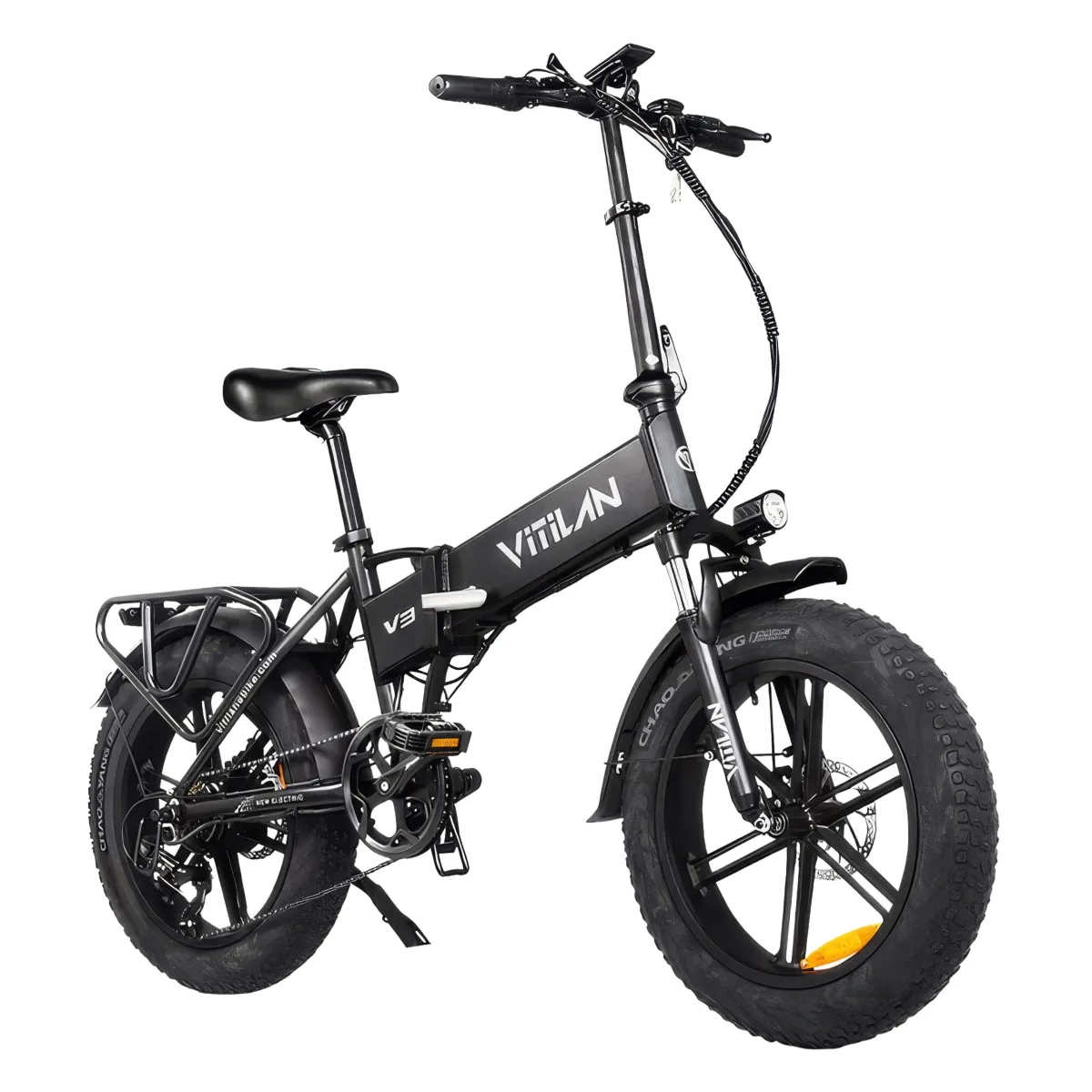
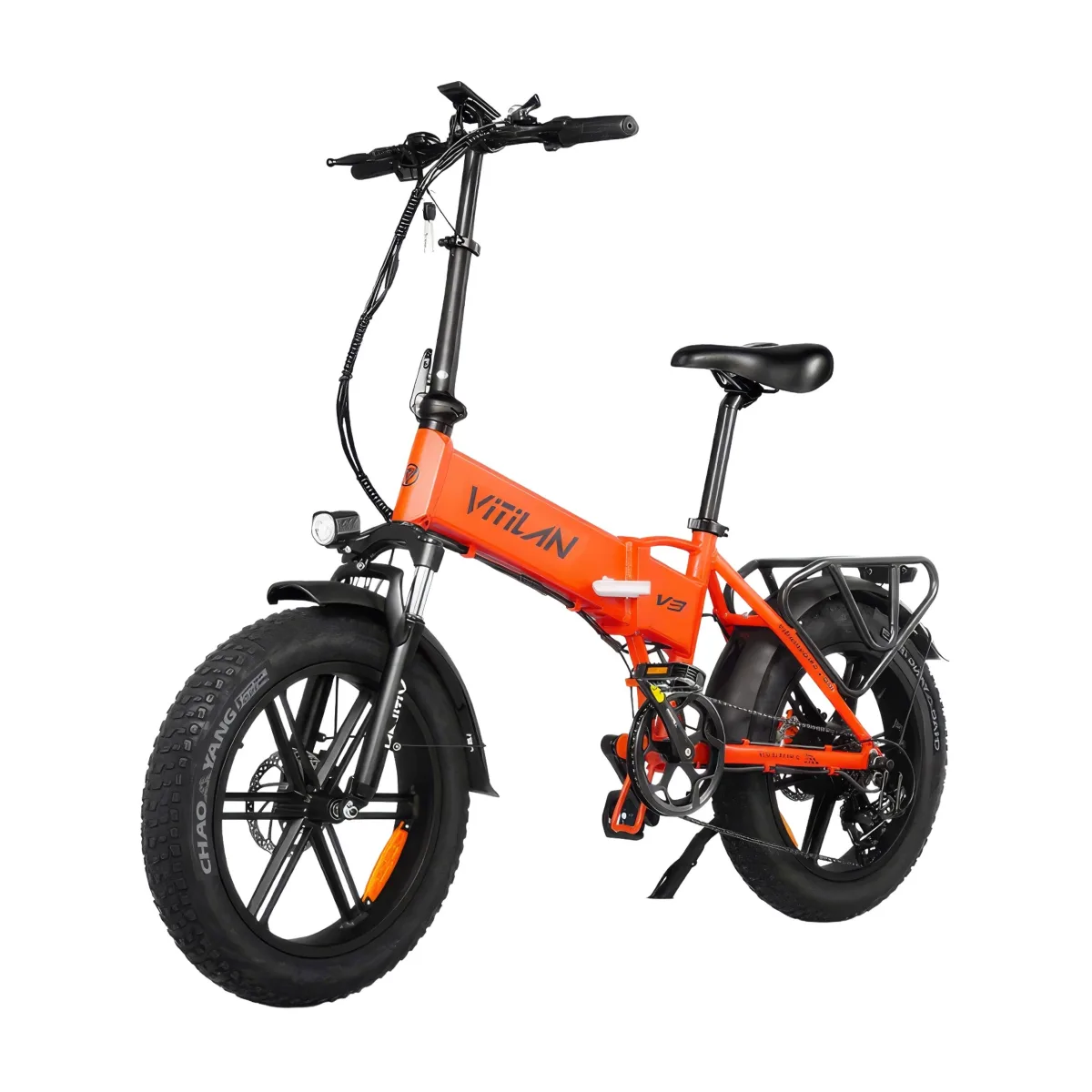
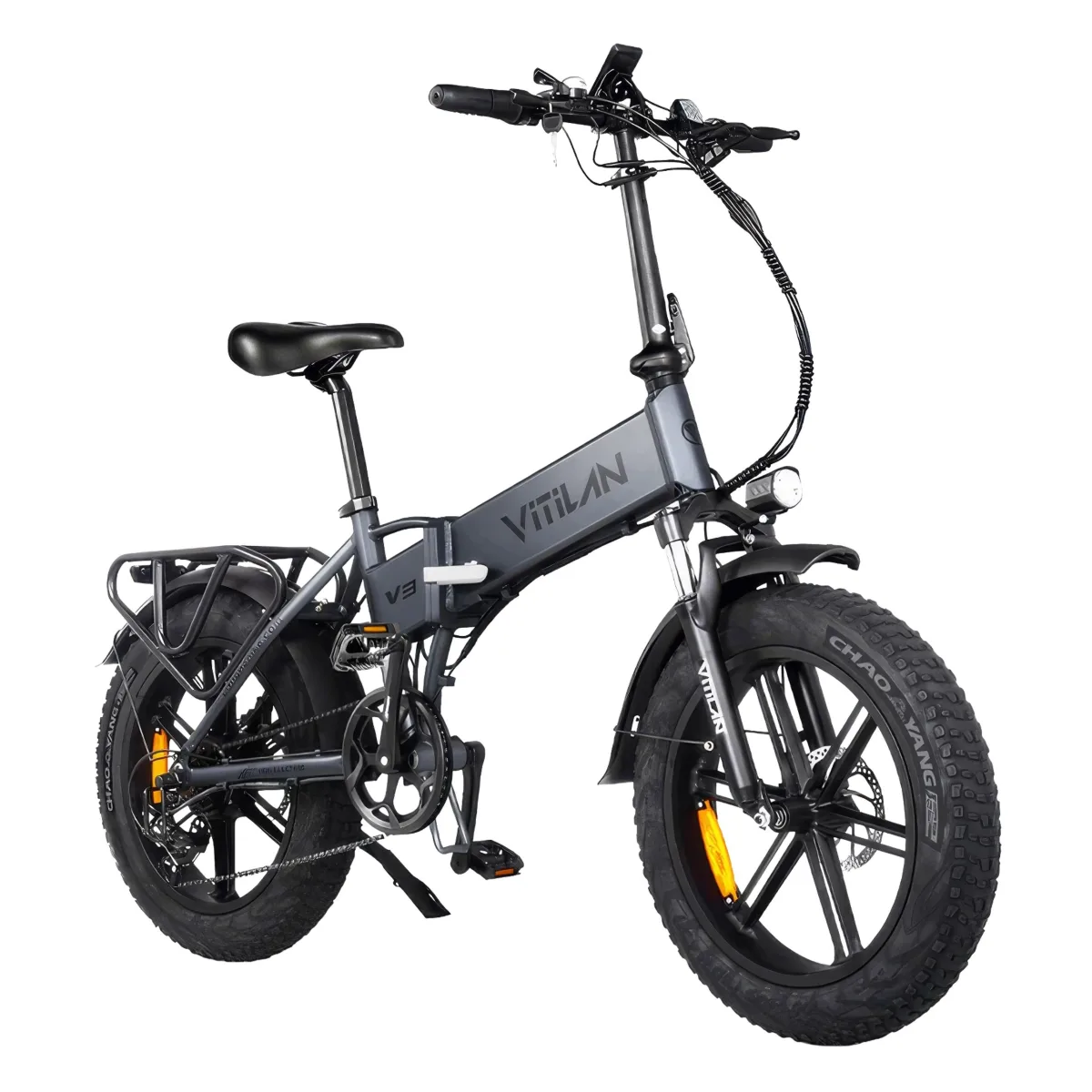
Weight bites twice more on Tyneside: at the stairs up to the flat, and in the lift onto a train or into a hallway. If the bike lives upstairs, buy on weight first and range second. A 250W commuter around 18–20 kg, with a battery that lifts off to carry separately, is a different proposition from a 36 kg folding fat-tyre bike.
Coming down matters as much as going up. Wet leaves on the Quayside in October and a steep bank with a junction at the bottom make hydraulic disc brakes worth more than another 5Ah of battery.
The routes that make Tyneside work
The Quayside and the bridges
The best cycling in Newcastle is the cheapest. Both banks of the Tyne between Newcastle and Gateshead have long, flat, largely traffic-free paths running beneath the bridges, from the Swing Bridge and the Tyne Bridge past the tilting Millennium Bridge and on east. It is where the Great North Run finishes, it is flat enough for a laden commuter bike, and it is busy at weekends. Ring a bell early rather than late and give way on the shared stretches — the path is a promenade first.
Hadrian's Cycleway, National Cycle Network route 72
Route 72 runs 174 miles from Ravenglass in Cumbria to South Shields, following the north bank of the Tyne through Newcastle and out to Arbeia Roman Fort at the coast. Locally it is a signed way out of the city to the east towards Wallsend and Jarrow, and west up the valley when you want distance. Most of it is rideable on a commuter machine; some of the western sections are rough enough to want wider tyres.
The Tyne Pedestrian and Cyclist Tunnels
Between Howdon on the north bank and Jarrow on the south, opened in 1951 as Britain's first purpose-built cycling tunnels and reopened in August 2019 after a long refurbishment. It is the way under the river when the bridges mean a detour, and the spiral ramps at each end are steep enough that you will use bottom gear.
Up the Ouseburn and out to the coast
The riverside path east from the Quayside runs out towards the coast at Tynemouth and South Shields, mostly flat and mostly off-road — the obvious long weekend ride on a legal EAPC. Up the Ouseburn valley you can get from the Quayside towards Heaton and Armstrong Park without touching a main road. Jesmond Dene itself is a valley of steep footpaths rather than a through route, so treat it as a walk and take the road over the top.
Jesmond Dene Road — planned, not built
Newcastle City Council has consulted on a two-way segregated cycle track on Jesmond Dene Road between Castles Farm Road and Moorfield, with new signalled crossings, to link Gosforth and Jesmond with the Freeman Hospital. The consultation opened in late October 2026. It is a plan and a traffic regulation order, not tarmac, so do not buy on the strength of it — the road as it stands today is the road you will ride.
What is legal to ride in Newcastle
Straight answer: a legal EAPC e-bike, and not much else.
- E-bikes. A bike inside the EAPC limits — 250W continuous, assistance cutting out at 15.5 mph, pedal assist only — is legal on public roads, cycle lanes and bridleways, with no licence, no insurance and no registration. Above those limits it is not a bicycle, whatever the listing says. A 750W machine with a 30 mph top speed is for private land with the landowner's permission, or for registered road use as a motor vehicle. Plenty of what is sold online in the UK sits above that line, including some of what we stock, so check the motor rating and the cut-off speed before you buy for a commute.
- E-scooters. Privately owned e-scooters may not be used on public roads, cycle lanes or pavements anywhere in the UK — private land with the landowner's permission only. Newcastle's government rental trial, run by Neuron since February 2021, ended on 31 May 2026, so the rental scooters that were allowed on the city's roads and cycle lanes have gone. There is no street-legal e-scooter in Newcastle now, and a rental trial never covered privately owned machines anyway.
- Electric unicycles. Same position as private e-scooters: private land only. An EUC is not an EAPC, so no road, no cycle lane, no pavement.
If the commute is the point and it has to be legal on Tyneside roads and cycle lanes, it is an e-bike or nothing — the range is at e-bikes, and the scooter range is there for private land at e-scooters.
Which bike suits which Newcastle job
- Quayside and city-centre commuting. A 250W commuter with a rack and mudguards. The shape of it is an Engwe P275 SE — 250W, 13Ah, a quoted 62 miles, 25 kg — or an A-Spadz Qreate City Air at 250W, 13.5Ah, a quoted 56 miles and 23 kg: upright, geared, light enough to carry up a flight.
- Flats and stairs. Buy the lightest legal thing you can. A Hitway BK35 at about 18 kg with a small 6Ah pack, or the BK19 Road at 20 kg with 12Ah and a quoted 50 miles, is a different life from a 36 kg folder when you are the one carrying it.
- Climbing from the river up to Fenham or Gosforth. Wide-range gearing and a torque sensor matter more than battery capacity. The BK27S — 250W, 13Ah, a quoted 62 miles, 26 kg — is the long-range version of the same idea; accept the extra 6 kg only if the bike lives at ground level.
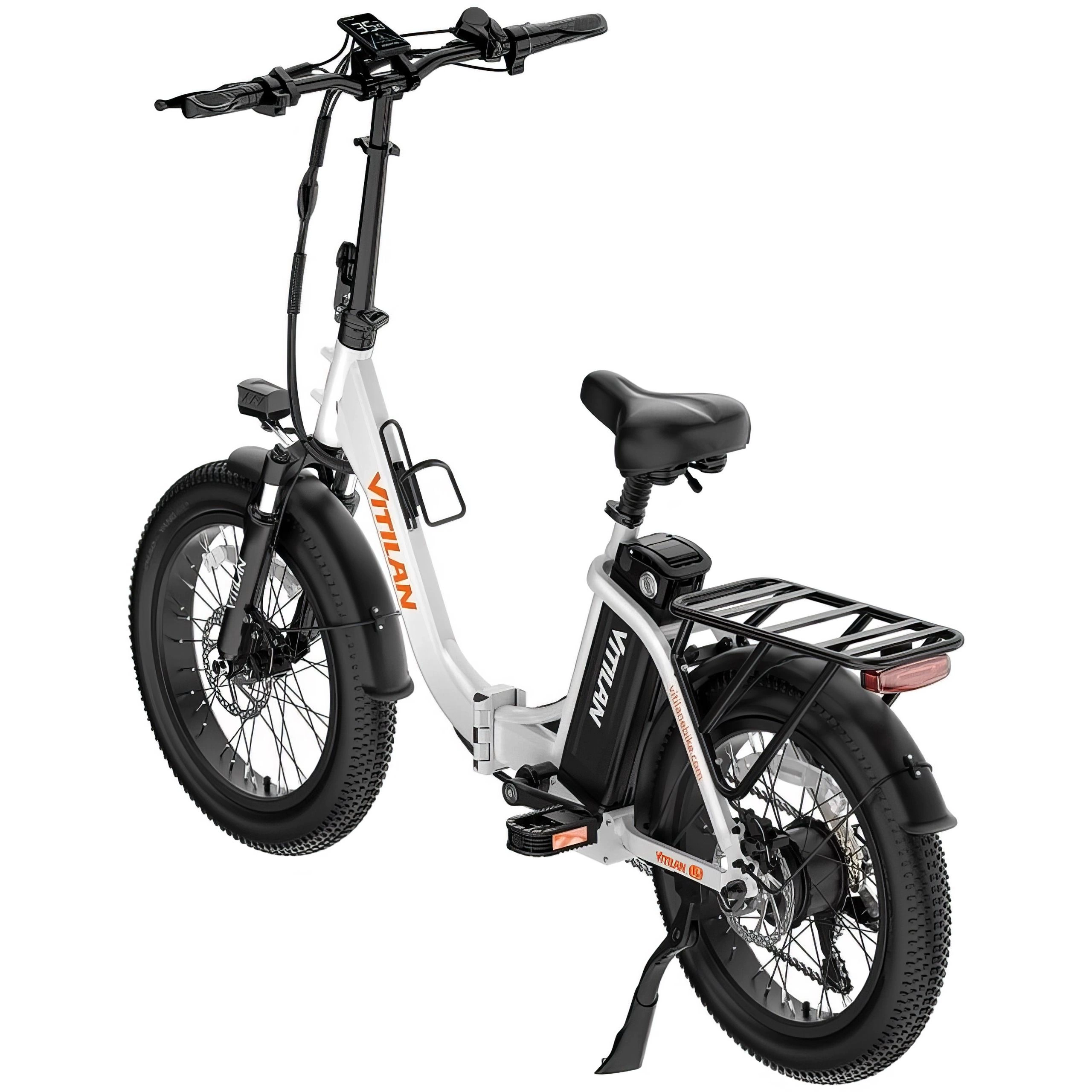
- Bike plus train or car boot. A folder, but weigh it first: the Hitway BK29 folding fat-tyre is 36 kg on 20-inch tyres — good on rough ground and a two-person lift up stairs. Check Nexus's own rules on bikes before you plan to rely on the Metro with one.
- A cheaper first bike. Refurbished and outlet rides carry 3–6 months of warranty, stated on the product page, rather than the 12 months a new machine gets.
Buying without a showroom
Everything is bought online and delivered. There is no Newcastle shop to visit and no test ride, so use the phone or WhatsApp through contact before the order if you are stuck between two machines — range on a charge, the weight, whether it fits a hall, a kerb or a boot. Straight answers are the point of the job, including when the answer is that the bike you like is wrong for your stairs.
Legal EAPCs qualify for Cycle to Work, so a Newcastle commute can be paid from gross salary through your employer's scheme — check the scheme's own price cap first. Trade accounts for rental fleets, care providers and retailers are on the support page.
You have 14 days to cancel for a full refund including the delivery charge, and change of mind up to 30 days with a 25% restocking fee after day 14. Faulty, damaged or wrongly supplied items are refunded in full at our cost — report damage within 48 hours of arrival. Every new machine carries at least a 12-month manufacturer warranty and we handle the claim with the manufacturer for you.