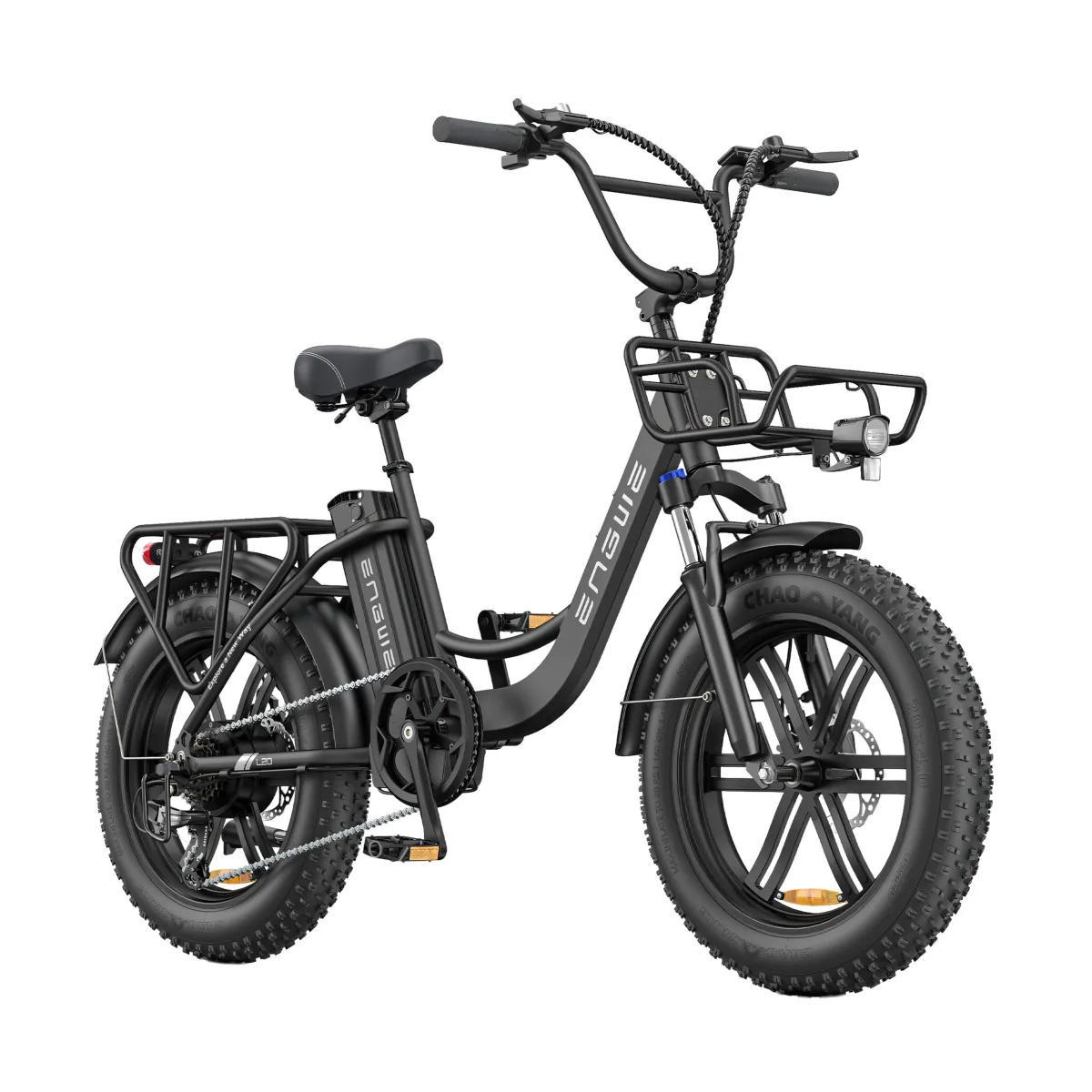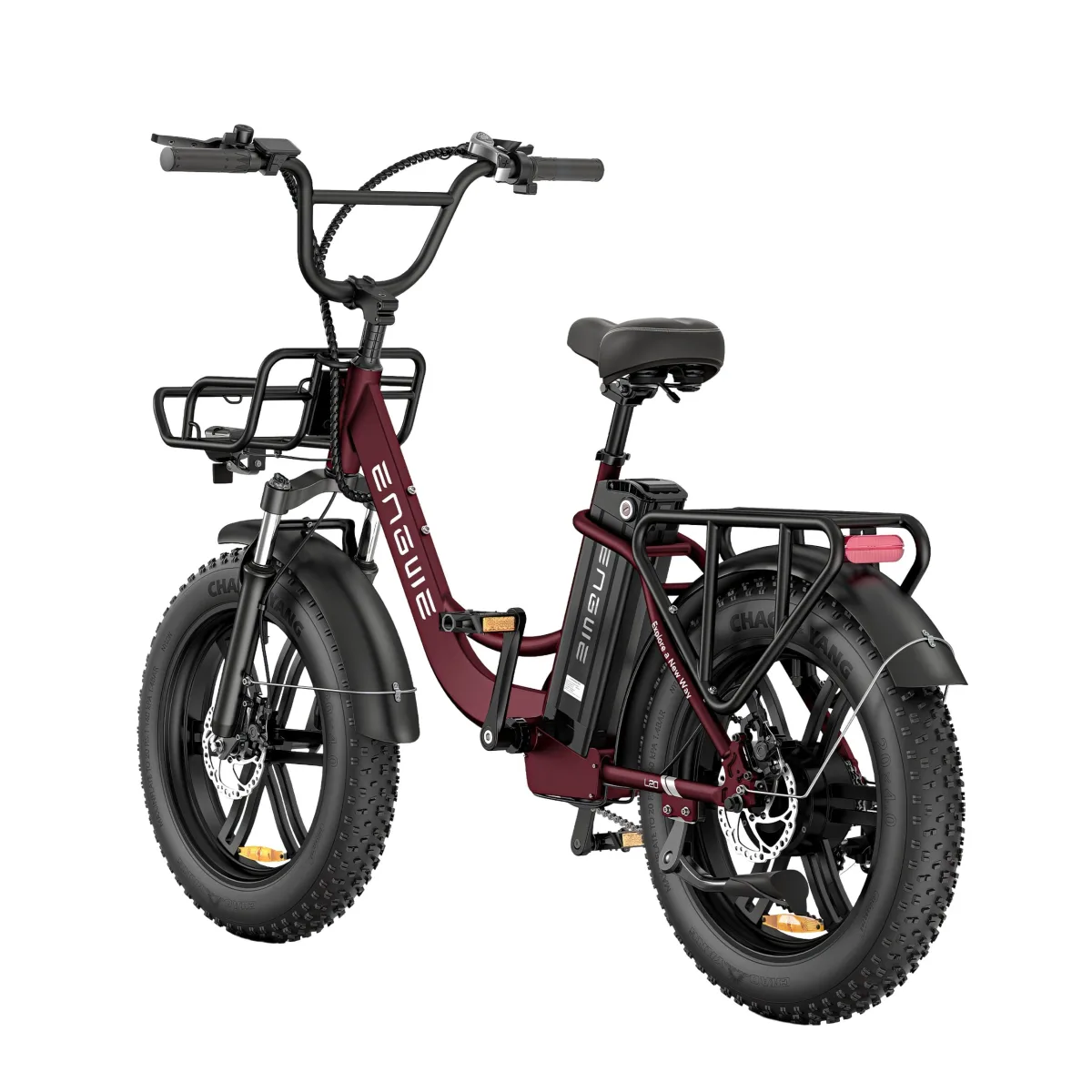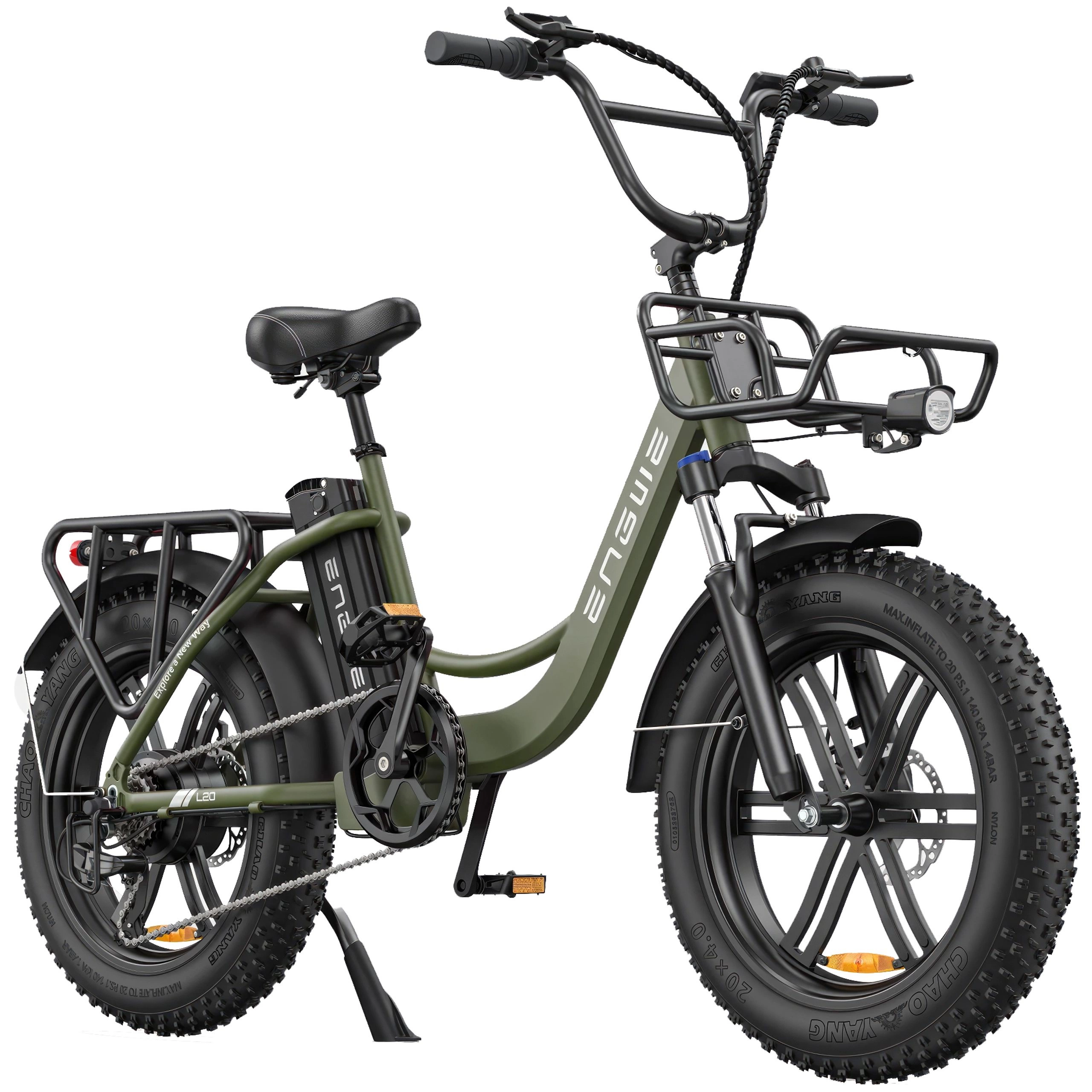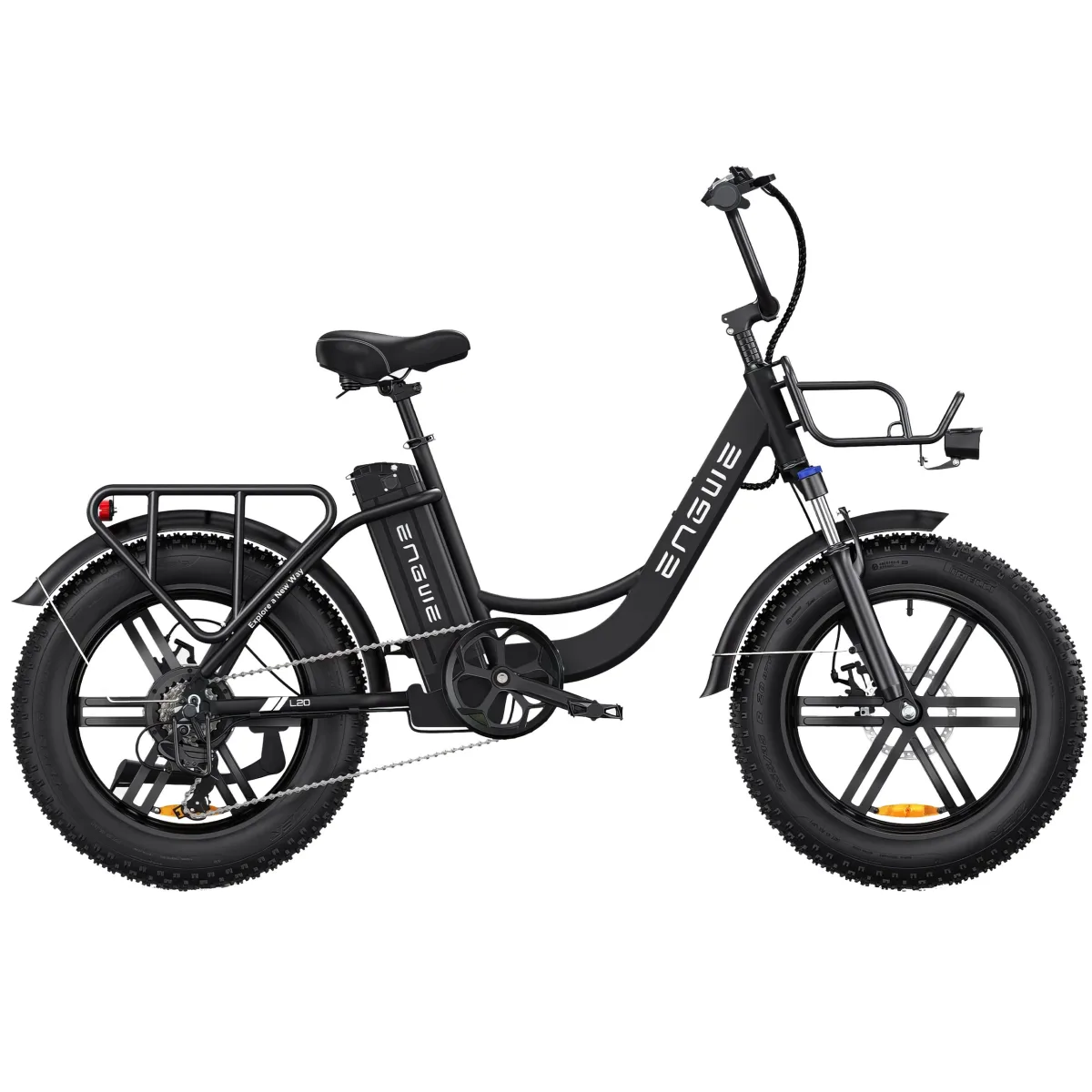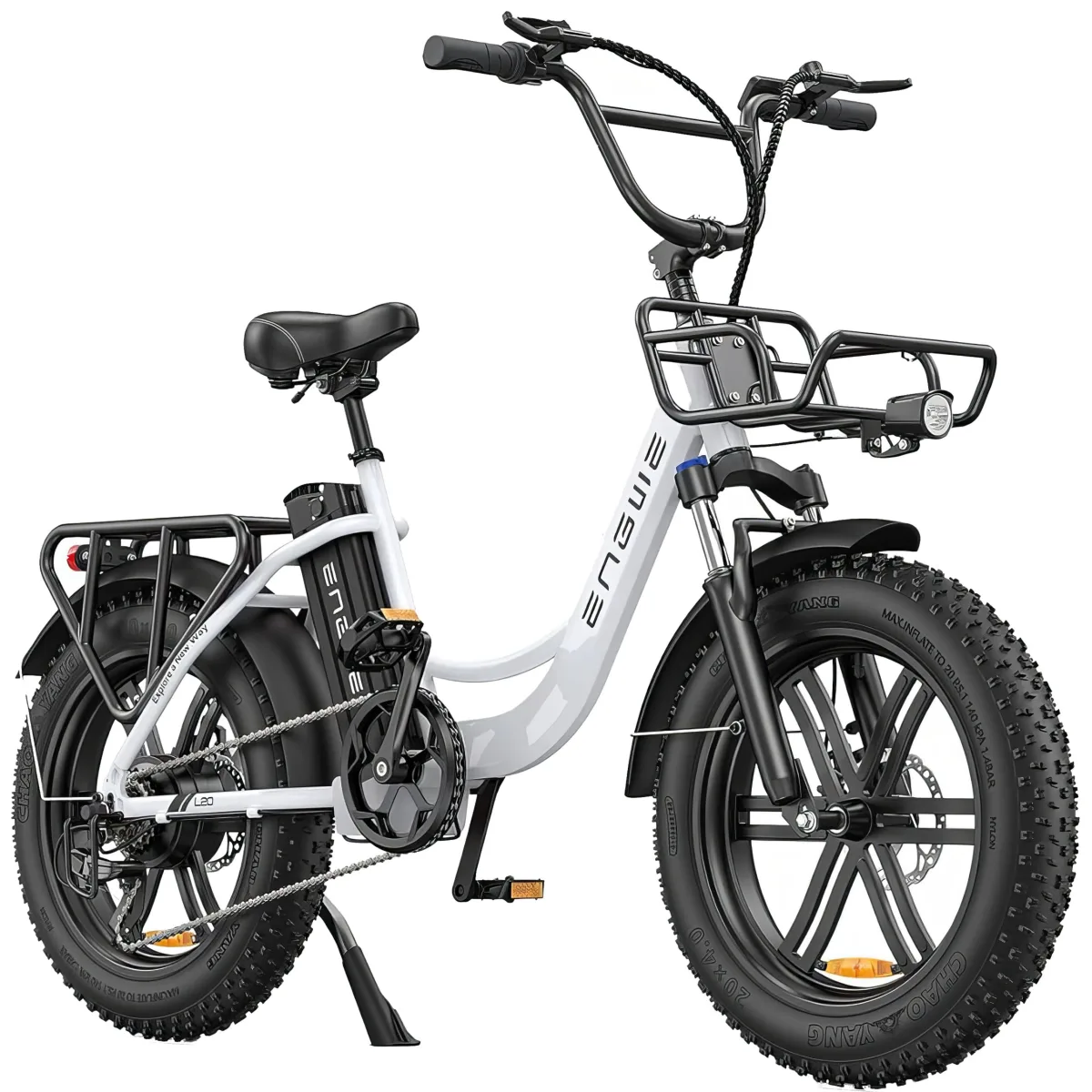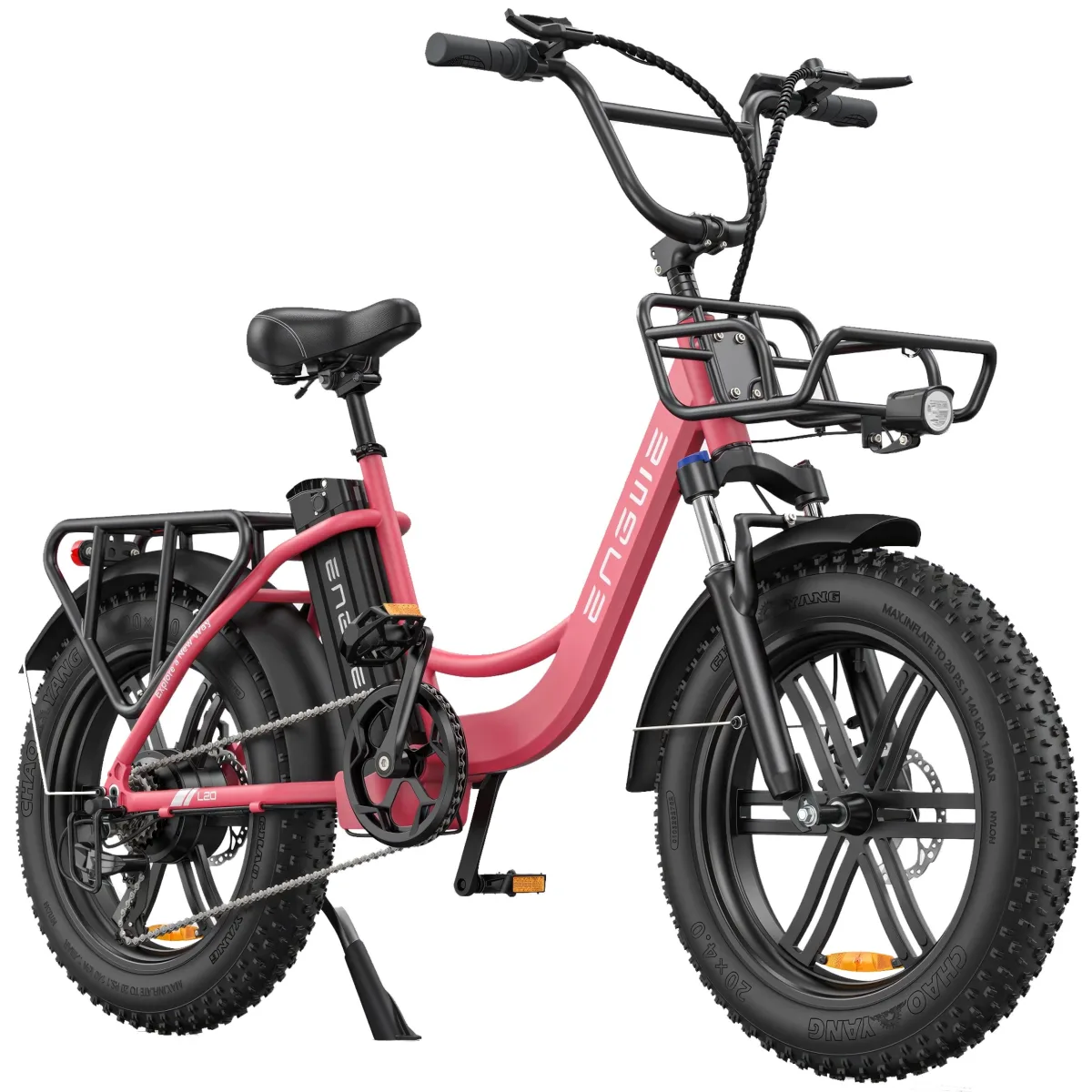
Nottingham is one of the better cities in England to commute by e-bike, because the Trent valley is flat and the Big Track gives you ten miles of car-free riding. The climbs start when you leave the valley — Mapperley, Sherwood, Carlton, Arnold and Gedling all sit above the city — and that is exactly the sort of ride an e-bike turns from a sweat into a commute.
Delivery to Nottingham: £45 flat, 3–7 working days
One flat £45 per order covers every Nottingham address, from the city centre out through Beeston, West Bridgford, Carlton and Arnold, and there is no free-delivery threshold to chase. Handling takes 2–5 working days and transit 1–2, so the bike is with you in 3–7 working days, and a tracking link is emailed when it leaves us. E-bikes go by a specialist two-person courier who arranges the delivery day with you and brings the boxed bike to your ground-floor threshold. Kington to Nottingham is about 109 miles by road, roughly two and a half hours, and it makes no difference to the price or the timescale — the same rate applies whether you are in the city or out past the ring road.
Payment is by Revolut or UK bank transfer: the details are emailed after you order, nothing is charged automatically, and no card details go into the site. Full terms are on delivery and shipping.
The Big Track: ten miles of flat, car-free riding
The Big Track is the reason a Nottingham commute works on two wheels. It is a ten-mile circular waterside route, entirely off-road, running alongside the River Trent and the Nottingham & Beeston Canal between Trent Bridge, Beeston Lock and Attenborough, with the city centre in the middle of the loop. It is a shared route, so it is walkers, dogs, prams and joggers as well as bikes — a bell and working lights are not optional extras on the towpath sections, especially in a Midlands winter when it gets dark by half four.
That route covers the flat part of the commute. If you live in Beeston, Attenborough or anywhere along the canal, you can reach the centre without touching a main road, and it is the same ride back in the evening.
Where Nottingham gets steep
The city centre sits low in the Trent valley, and the ground rises sharply as soon as you head north or north-east. The climb up through Sherwood towards Mapperley, the drag up to Carlton and Gedling, and the rise out to Arnold are the ones that dictate what bike you actually need — as is the pull from the canal at Lenton up to the university and the QMC, which is short and nasty rather than long.
On those hills, motor torque and gearing matter more than the number on the motor. A 250W bike with a low gear will get you up Mapperley Plains day after day; a heavier machine with tall gearing will not, however fast it claims to go. Weight matters too if you have steps at either end: the Hitway BK35 is 18.2 kg with a claimed 55 miles, while a big fat-tyre machine at 30 kg is a different proposition to carry upstairs.
What counts as a legal e-bike here
An e-bike is legal on Nottingham's roads, cycle lanes and the Big Track only if it is an EAPC: pedals, motor assistance cutting out at 15.5 mph, and a motor rated at 250W continuous. That is the class you can ride without a licence, insurance or registration, and it is the class that Cycle to Work covers.
Plenty of machines in the wider market — and a few in our own catalogue — run 750W motors and 28–30 mph top speeds. Those are not EAPCs. They are for private land with the landowner's permission, or for road use only once registered, taxed, insured and ridden on a licence. If you want a bike you can legally commute on, filter by 250W and 15.5 mph before you fall for the spec sheet.
E-scooters and EUCs: private land only
Nottingham runs a government rental e-scooter trial, operated for the city council by Dott, and those rental machines are the only e-scooters that may be used on public roads and cycle lanes in the city — and only within the area the trial covers. That permission belongs to the rental scooter, not to you and not to any scooter you buy.
A privately owned e-scooter cannot legally be ridden on public roads, cycle lanes, pavements, or the Big Track. Neither can an electric unicycle. Both are private-land machines in the UK, full stop, and no rental trial changes that. We will happily sell you either — just do not buy one expecting to commute on it. The detail is on our e-scooter range and EUC range pages, and we will say the same on the phone.
Which e-bike suits a Nottingham commute
Real numbers from the catalogue, not marketing claims — manufacturer range figures are quoted on a full battery, in ideal conditions, so plan on less in winter:
| Bike | Weight | Claimed range | Best for |
|---|---|---|---|
| Engwe P275 SE commuter | 25 kg | 62 miles | The Big Track and a flat city commute |
| Hitway BK35 | 18.2 kg | 55 miles | Hills north of the centre, and stairs at either end |
| Hitway BK19 Road | 20 kg | 50 miles | A lighter road-biased commuter |
| Cyrusher Loop folder | 28 kg | 45 miles | Combining a ride with the tram or train |
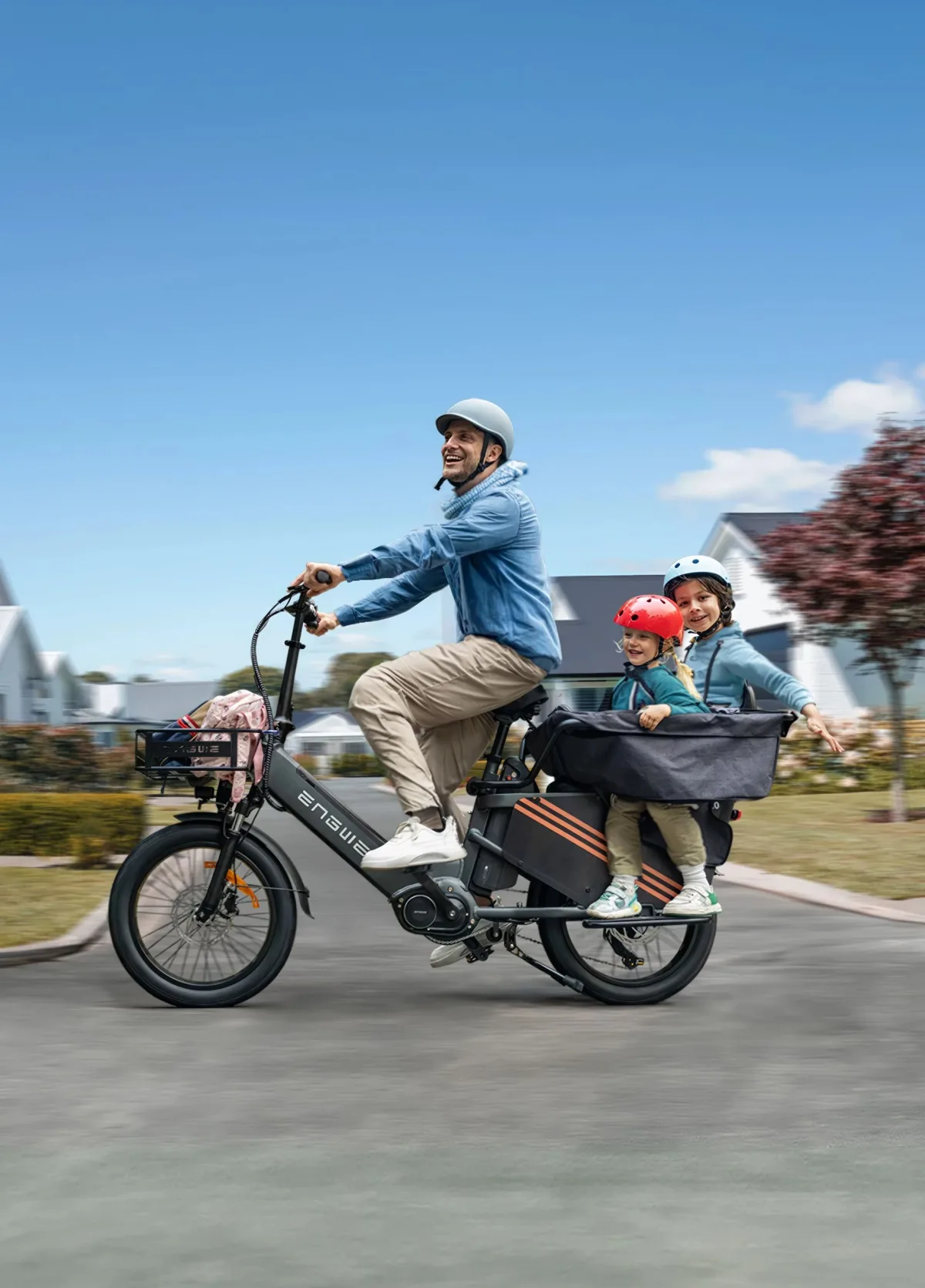
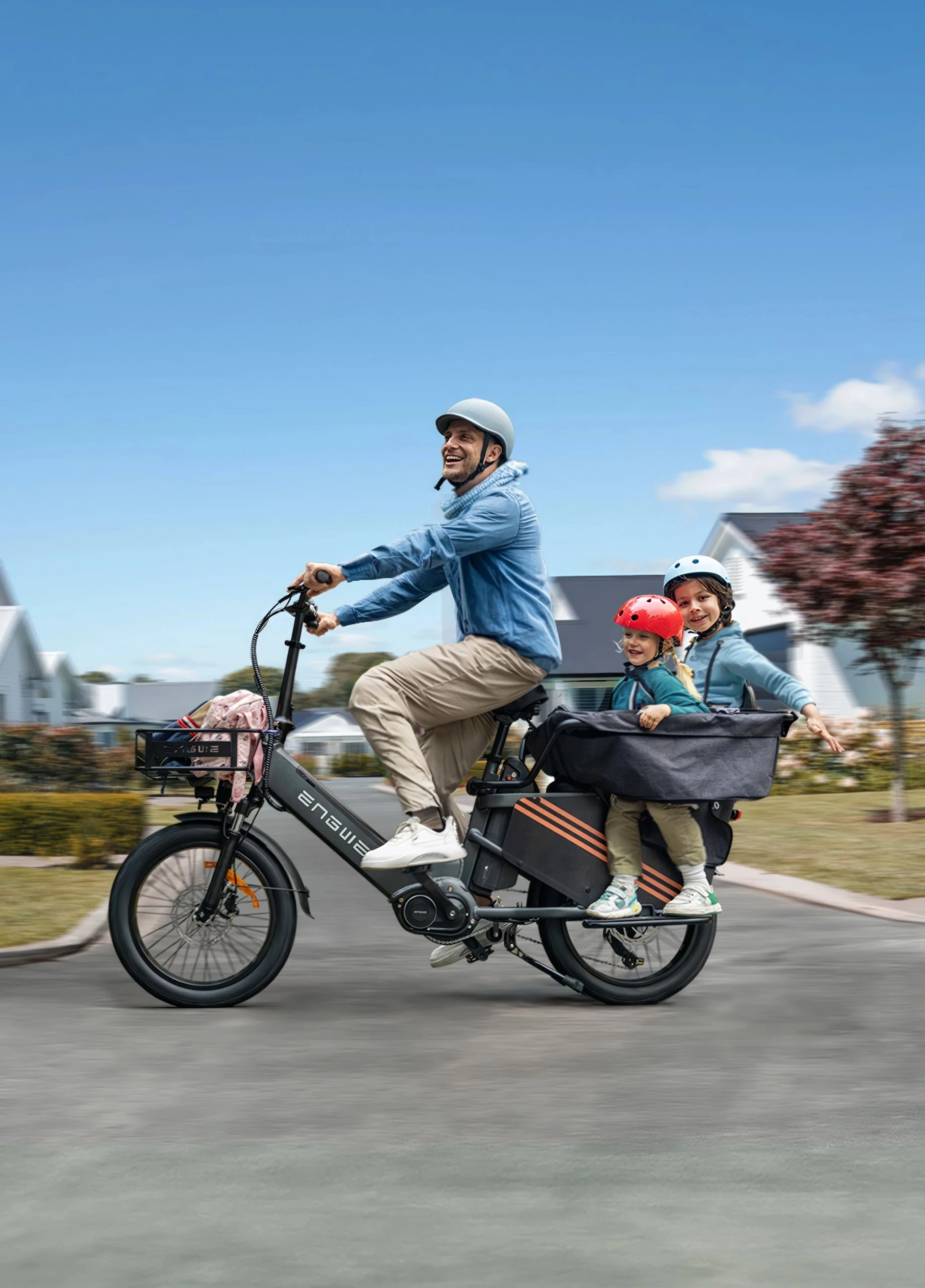
| Cyrusher Glider cargo | 42 kg | 62 miles | School run and shopping, not stairs |
The folder earns its place in Nottingham for a specific reason: NET trams only carry folding bikes, and only when folded. If your commute is ride–tram–ride, a folder is the only e-bike that gets on board. The Loop is 28 kg; the Hitway BK29 folder is a legal 250W EAPC too, but at 36 kg you will feel it on the platform steps.
Everything in the range is on e-bikes, with brand pages for Engwe, Hitway and Cyrusher. Refurbished units come through refurbished rides with 3–6 months of cover stated on the product page.
If it arrives damaged, or you change your mind
Report damage on arrival within 48 hours and it is replaced or refunded at our cost. You have 14 days to cancel for a full refund including the delivery charge, extended to 30 days with a 25% restocking fee after day 14. Every new machine carries at least a 12-month manufacturer warranty, and we handle the claim with the manufacturer rather than sending you to them. The paperwork is on returns and refunds and warranty.