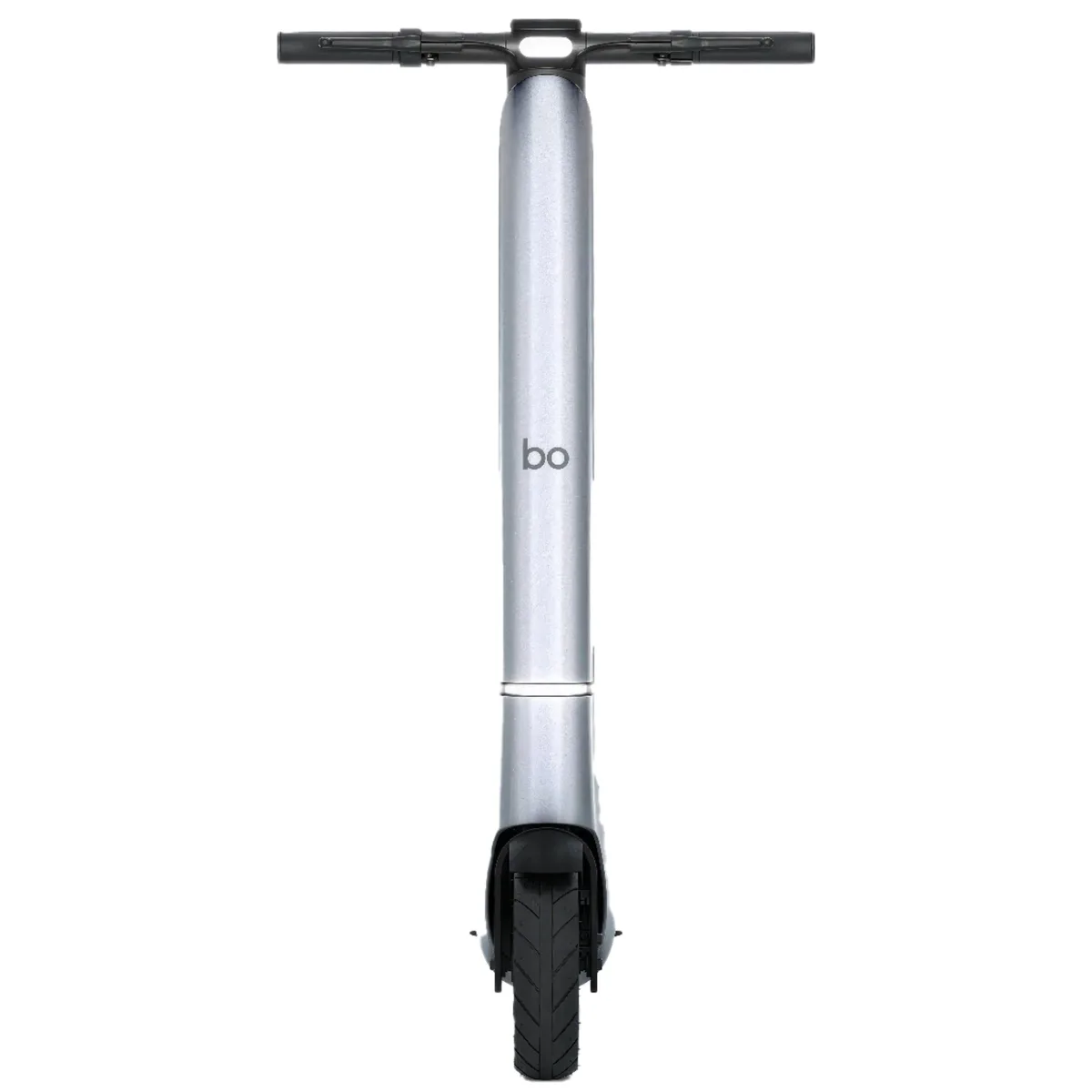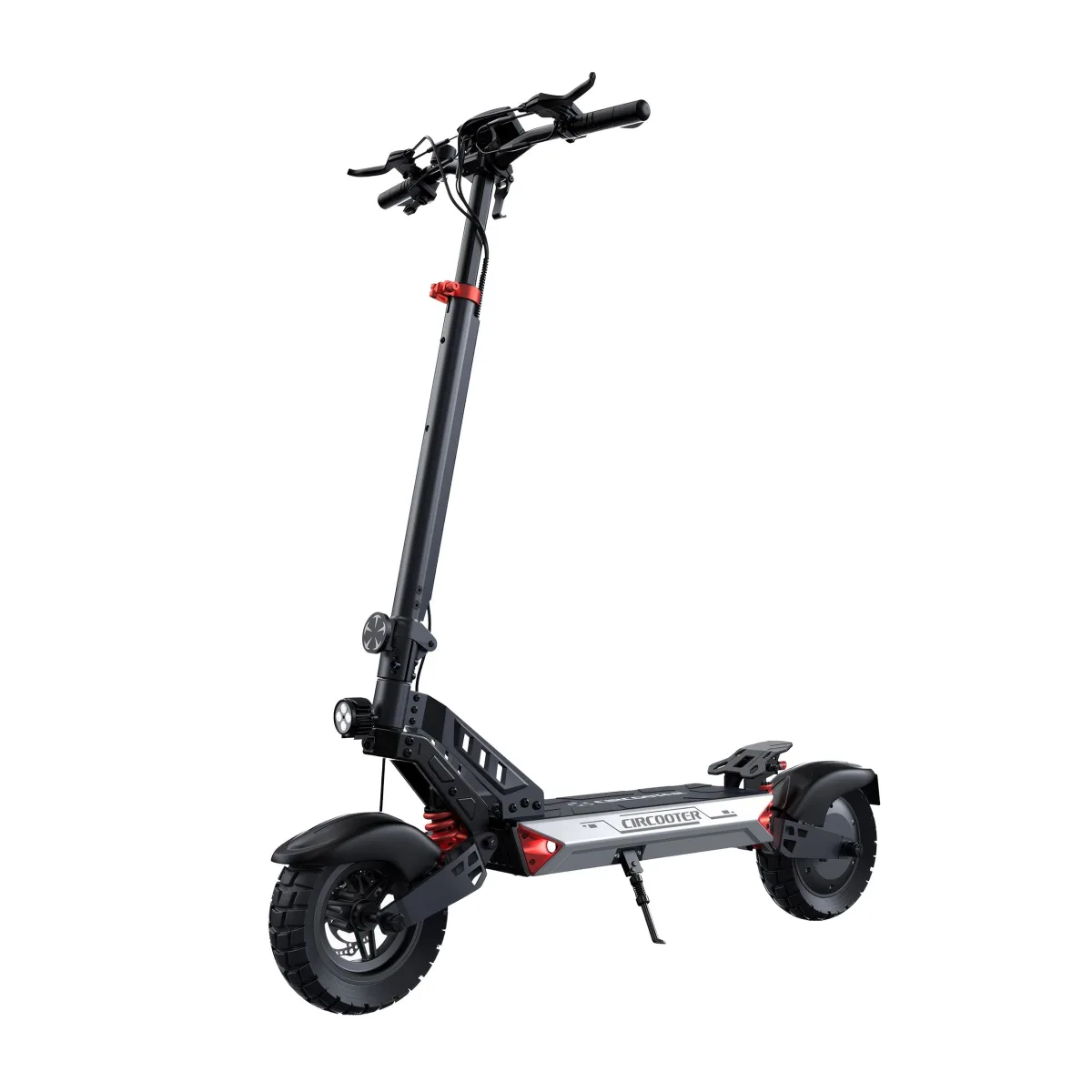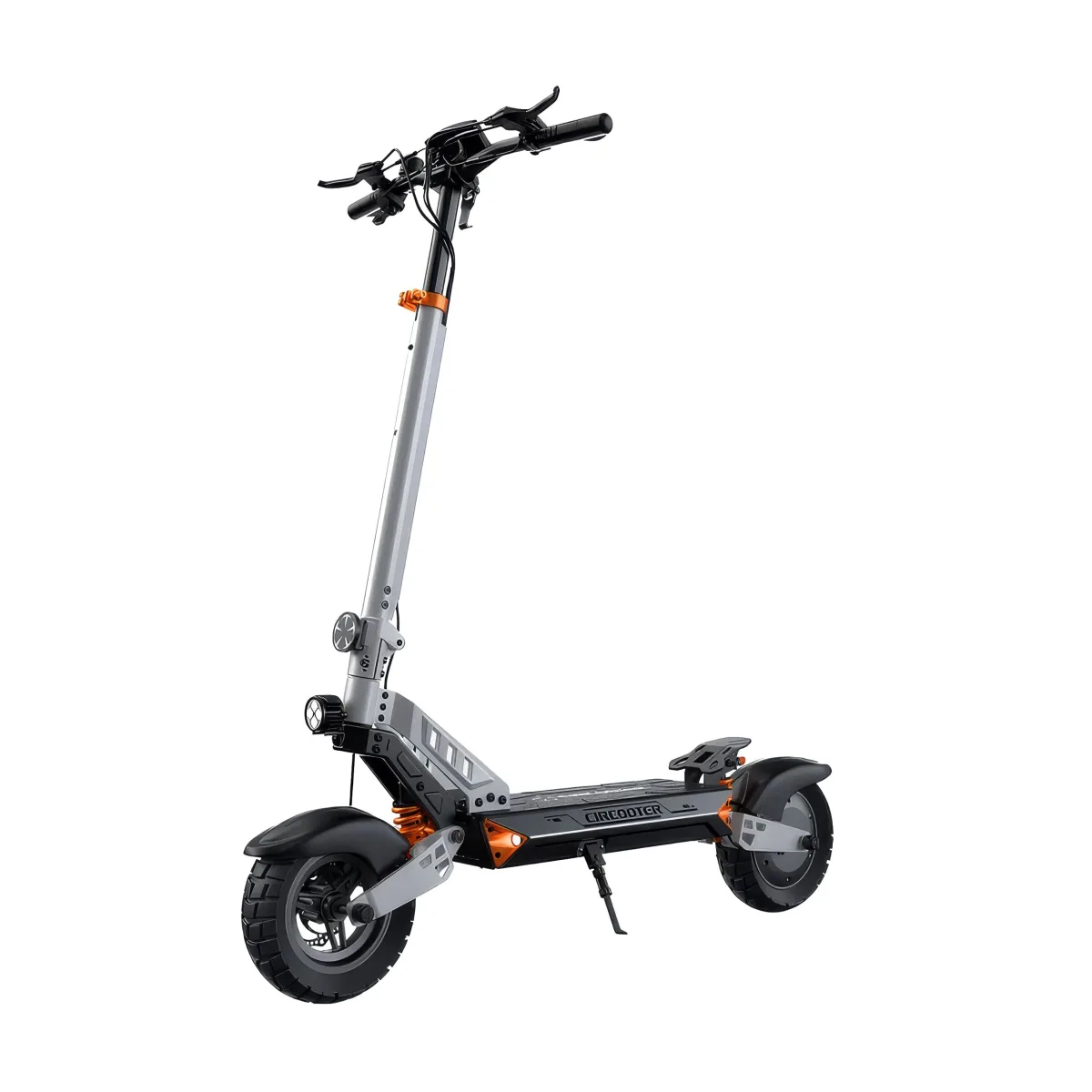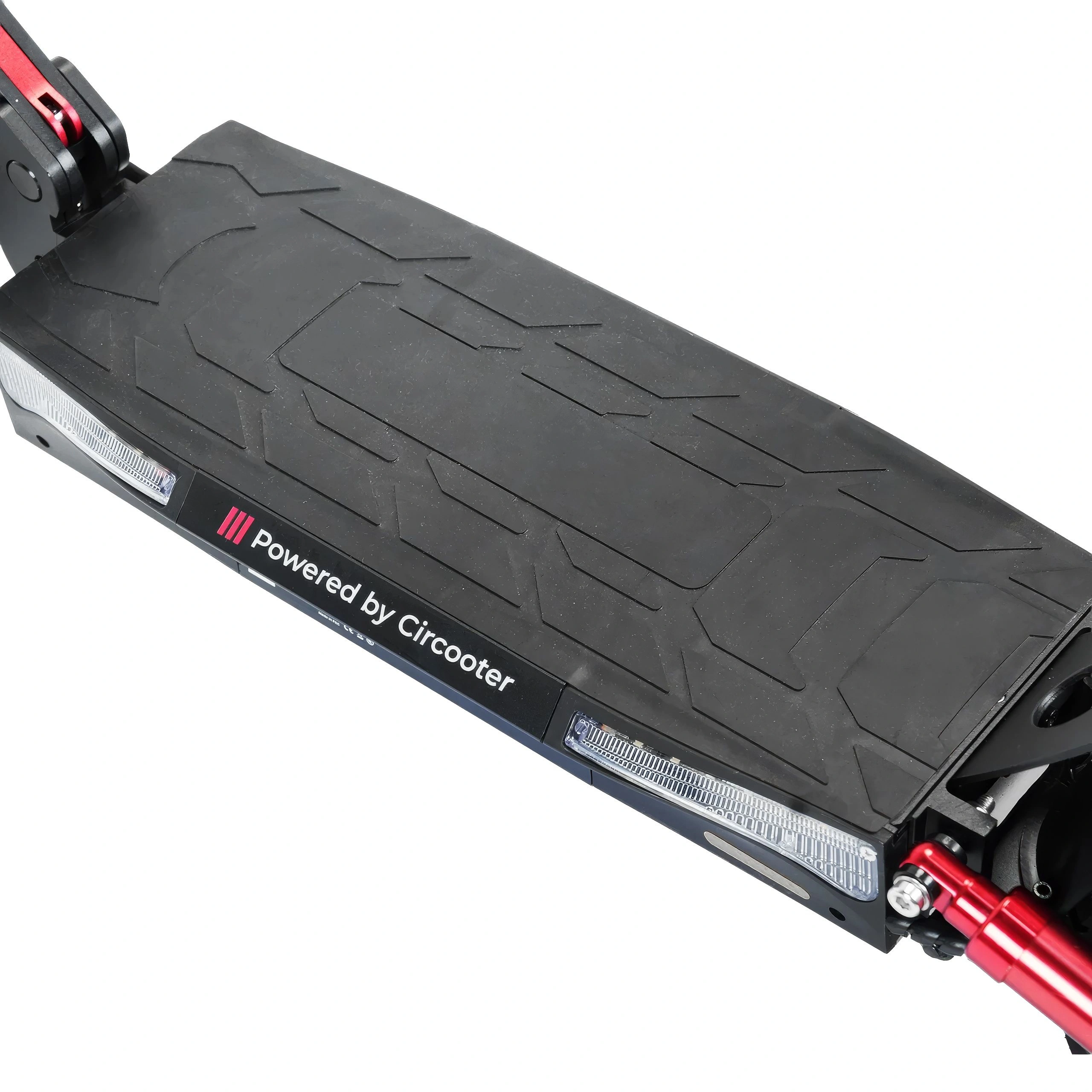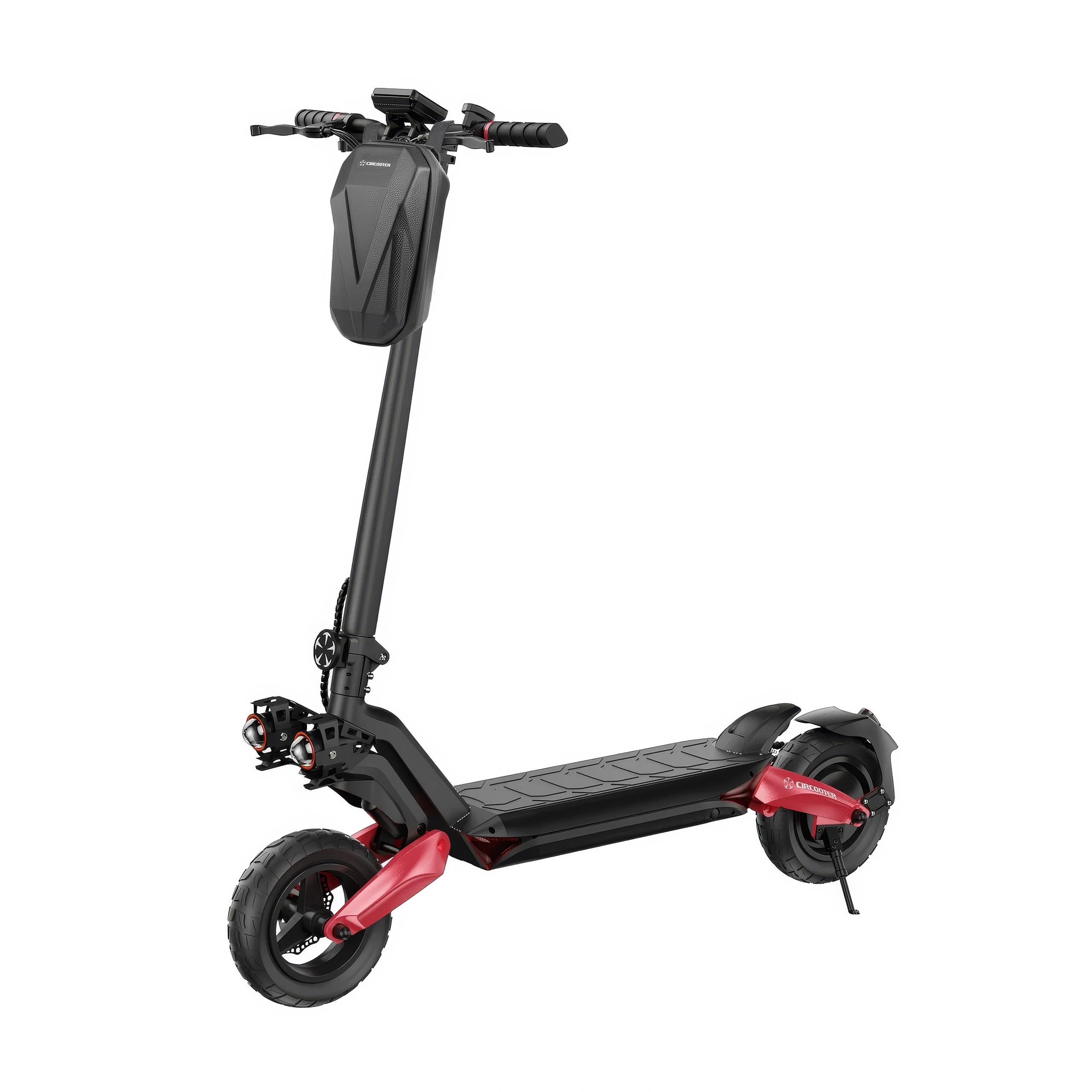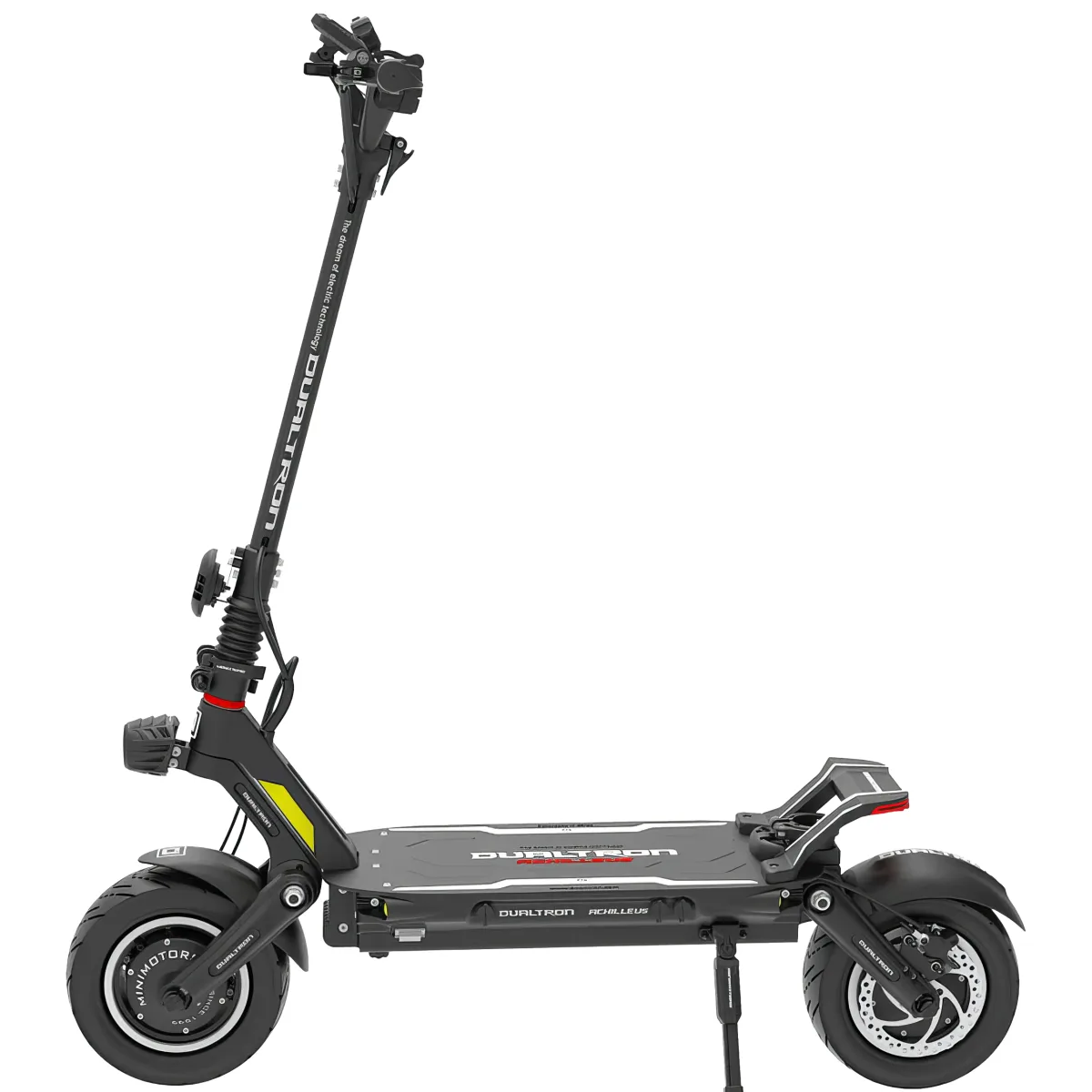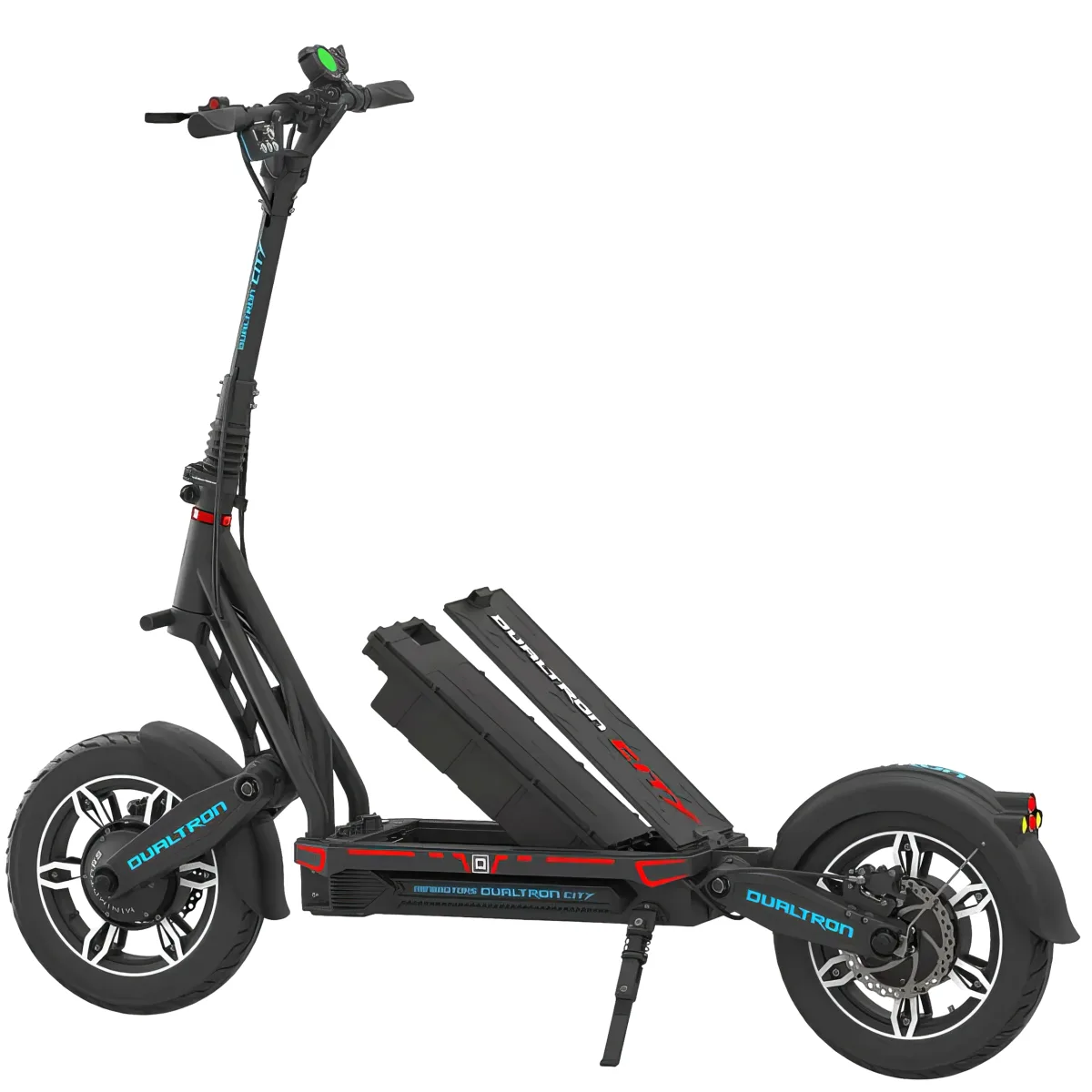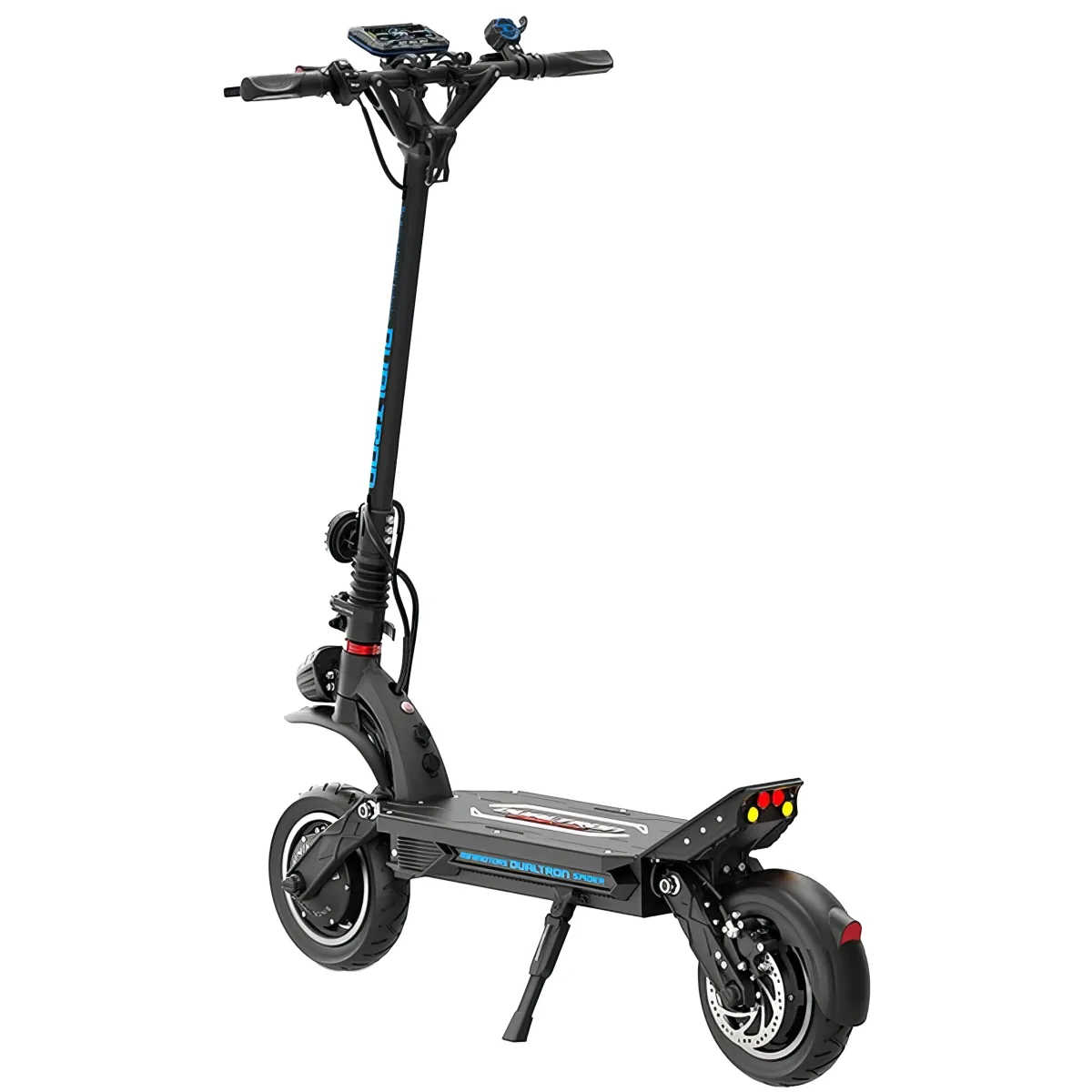
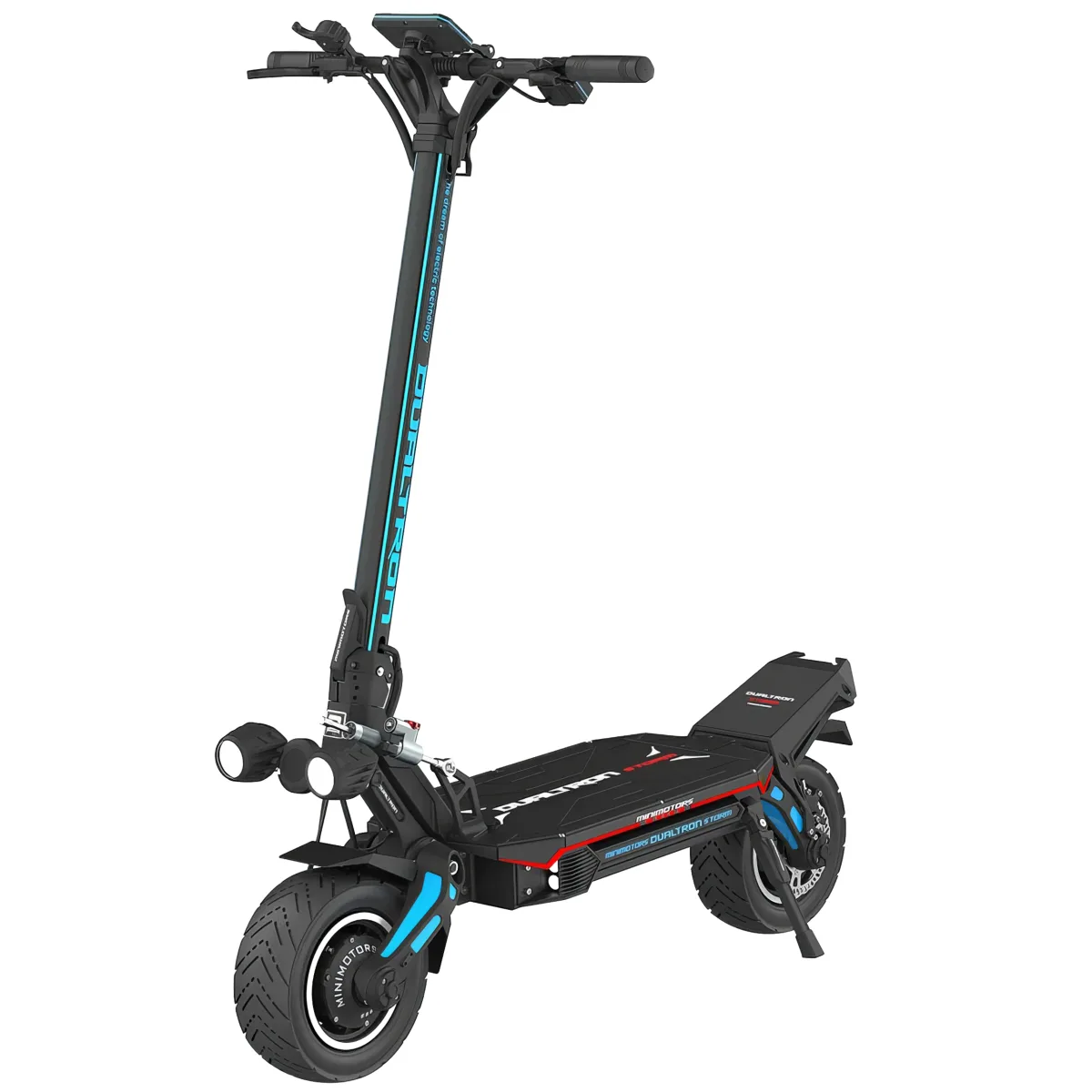
 Dualtron Storm LTD Electric Scooter - 11000W Power | 45Ah Battery | 62mph Speed | 112mi Range — tap to view
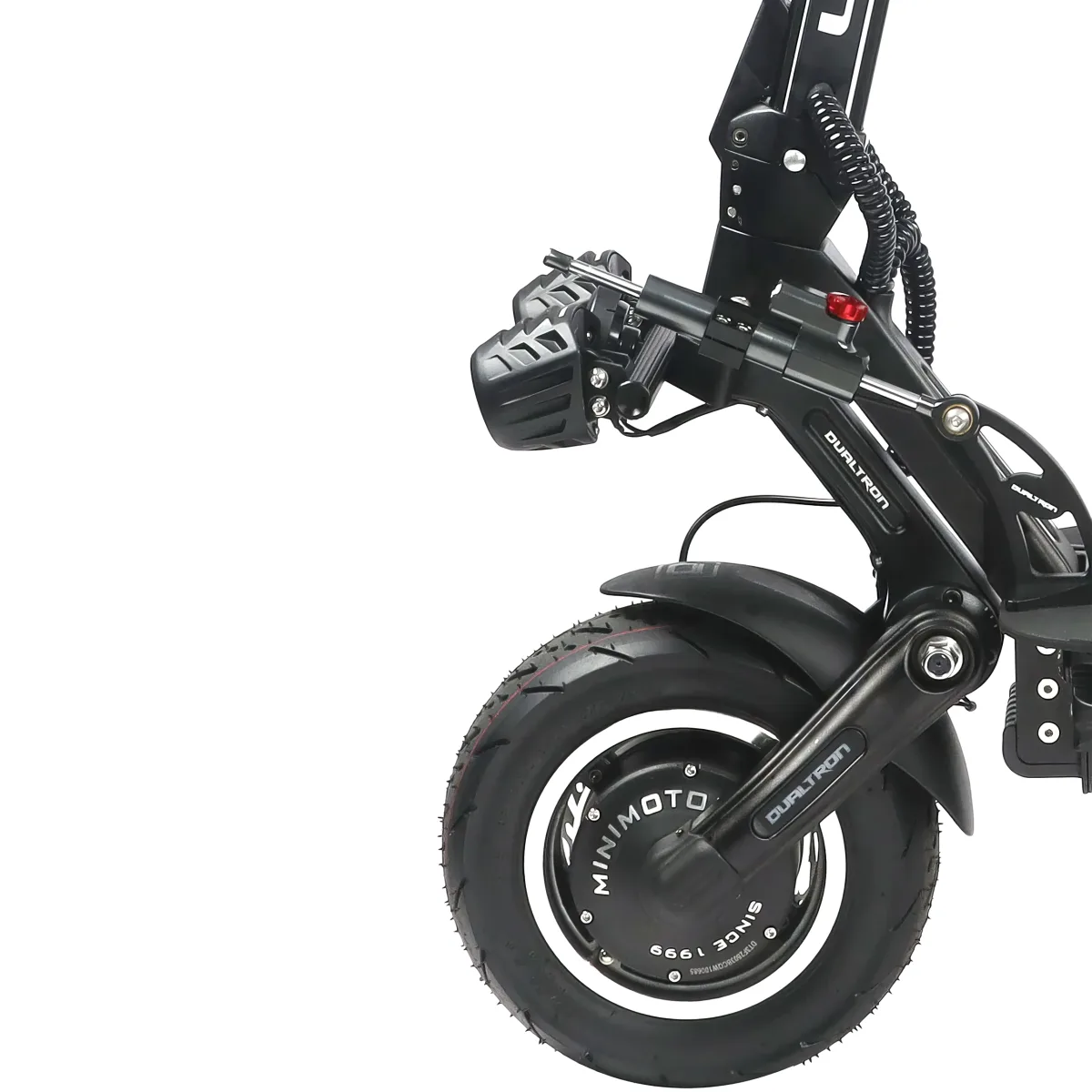 Dualtron Thunder 3 Electric Scooter - 10800W Power | 40Ah Battery | 62mph Speed | 78mi Range — tap to view
The charger is the whole argument
The government's battery safety guidance for e-scooter users and every fire and rescue service that publishes on this subject start in the same place: use the charger that came with the machine, or a replacement authorised by the manufacturer. That single rule prevents most of what goes wrong.
Chargers are not interchangeable, even when the plug fits. A 36V pack and a 48V pack can share the same connector, and a charger built for a bigger battery will keep pushing current into a smaller one long after it should have stopped. Two machines in the same house means two chargers, labelled, kept apart. Write the model on the charger body with a paint pen if you have to.
Buy replacement chargers and packs from the manufacturer or an authorised distributor, not from a marketplace listing with a photo of a similar-looking unit. Counterfeit chargers are cheap because the parts inside that keep the battery from overcharging are the parts that got left out.
Check the charger and its lead before every charge. Cracked casing, a frayed lead, a scorched plug or a connector that wobbles means stop and replace it. Ask us if you are unsure which charger belongs to your machine — contact us before you plug anything in.
Not overnight, not while you are out
A lithium battery fire gives you seconds, not minutes. The advice from the National Fire Chiefs Council and the London Fire Brigade's ChargeSafe campaign is to charge only while you are awake and alert, so that if something starts you can get everyone out and call 999. Charging while you sleep or while you are at work removes the only advantage you have.
That has a practical consequence when you are choosing a machine. Charge times on the e-scooters we sell run from around three hours for a small commuter pack up to seven hours or more on something like the Element Bondi and considerably longer on the big dual-motor machines with 30Ah to 45Ah packs. Every product page lists the battery capacity and the charge time, so read them together: if you can only charge in the evening, a pack that takes eight hours to fill will be on the mains every night whether you plan for it or not.
Unplug when the charger shows full. Most e-scooter chargers do not manage the battery after it tops out, so leaving it connected for another four hours is heat and stress for no benefit.
Where in the house — and where never
Position matters more than most people think, because the risk is not just the fire, it is the fire in the one place you need to walk through.
- Never on an escape route: not the hallway, not the landing, not the floor in front of the front door, not a stairwell.
- Not in a bedroom. Fire services are blunt about this one.
- Not in a communal hallway, lobby or bike store in a flat block. Those are other people's escape routes too.
- Hard, flat and non-flammable: concrete floor, a hearth, a metal tray, a garage floor. Not carpet, not a rug, not a workbench under a shelf of paint tins.
- Nothing flammable within a couple of metres — coats, curtains, cardboard, recycling, solvents, petrol, the lawnmower.
- Well ventilated, with the charger and the deck left uncovered. Chargers get warm in use and need air around them.
- Working smoke alarms in the house, and a heat alarm rather than a smoke alarm if you are charging in a garage or kitchen.
- One plug, one socket. No daisy-chained adaptors, no coiled extension lead, no charging two machines off one four-way strip.
Heat, cold and the shed problem
Lithium cells do not like temperature extremes, and a British garage or shed delivers both. Charging in an unheated outbuilding in January is where a lot of owners go wrong: never charge a pack that is at or below freezing, because the cells cannot absorb the current properly and the damage is permanent. Let the machine come up to room temperature first, and give it a few hours to do it — an hour by a radiator is not the same thing.
The other direction is just as bad. After a hard ride the pack is warm, so let it cool for half an hour before it goes on charge. In summer, a conservatory, a south-facing porch or a car boot in direct sun can sit well above the temperatures the cells are rated for, and a hot pack should never go straight onto the charger.
Watch for condensation as well. Bring a cold machine into a warm house and water beads on the deck, the terminals and the charge port. Wipe it down, let it dry properly, and only then plug in. Never charge with the port wet, and never charge a machine that has been through a puddle deep enough to reach the deck.
When you should not charge it at all
A damaged pack can catch fire without warning, and charging is the moment it is most likely to. Do not put any of these on the mains:
- The machine has been dropped, crashed or hit a kerb hard enough to mark the deck.
- Water has got inside — a flooded lane, a jet wash, a machine left out in rain.
- The deck or battery case is swollen, bulging, or no longer sits flat.
- There is a lump, a soft spot or any sign of a leak.
- The charger or the pack is hissing or cracking.
- There is a strong, unusual, chemical smell.
- It no longer reaches full charge, or takes far longer than the stated charge time, or the range has dropped off sharply.
Unplug it, do not use it, and if you can do so safely, move the machine outside and away from the house, people and anything flammable. Then ring us, and the manufacturer. A failed pack is not something to keep an eye on for another week.
Do not put a lithium pack in the wheelie bin or the kerbside recycling. It goes to a household waste and recycling centre that takes batteries, and a punctured pack in a bin lorry is how those fires start.
If it does start smoking
Get out, stay out and call 999. Do not try to put it out yourself, and do not move a smoking machine through the house to get it outside — water does not reliably stop a lithium fire and can make it worse. Once everyone is safe, report the faulty battery to the manufacturer and to whoever sold you the machine. If that was us, get in touch and we will handle the claim with the manufacturer under the 12-month warranty.
Storing it between rides
Leaving a pack flat for months quietly kills capacity, and leaving it at 100% in a hot room is not much better. For a machine that is going to sit for weeks, manufacturers generally recommend storing it around half charge in a cool, dry, steady place, out of direct sunlight, following whatever their own manual says. Check it every few weeks rather than discovering it dead in spring.
Store it where you would charge it, for the same reasons: not in a hallway, not in a bedroom, not under a pile of coats, and not somewhere a fire would block the way out.
One more thing about where you ride
Privately owned e-scooters cannot be used on UK public roads, cycle lanes or pavements — only on private land with the landowner's permission. That is not a charging rule, but it does shape the routine: the machine lives at home or on private ground, and so does the charger. The detail is in are electric scooters legal in the UK.
Pick a machine that fits your charging routine
Range and top speed get all the attention, but charge time decides whether an e-scooter is convenient or a nightly chore. Battery capacity, charge time and weight are on every product page in our e-scooters, and the flat £45 UK delivery applies whatever you choose, delivered in 3–7 working days. If you are weighing two machines and the charge times do not sit well with your day, ring us and we will say so — including when the cheaper one is the better buy.