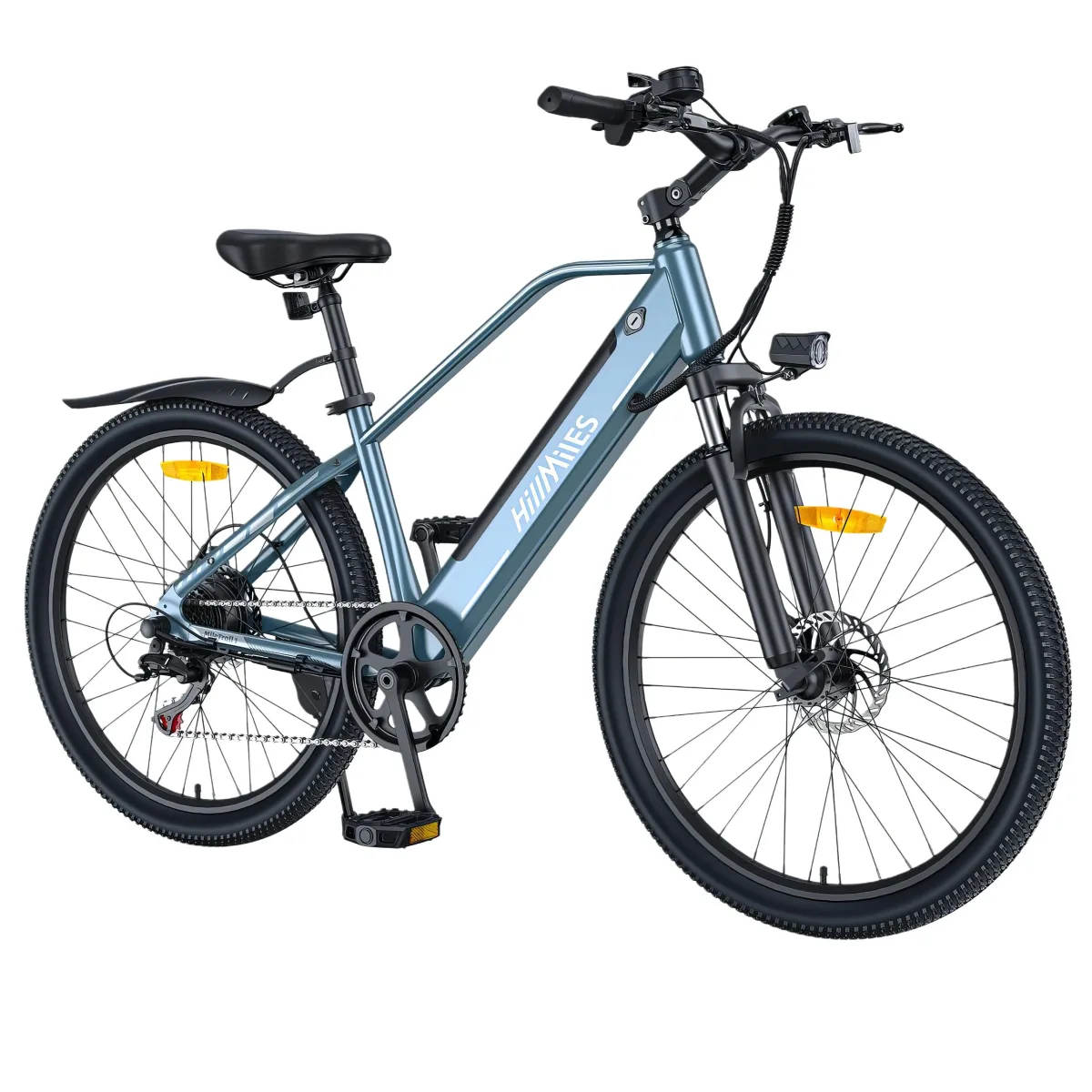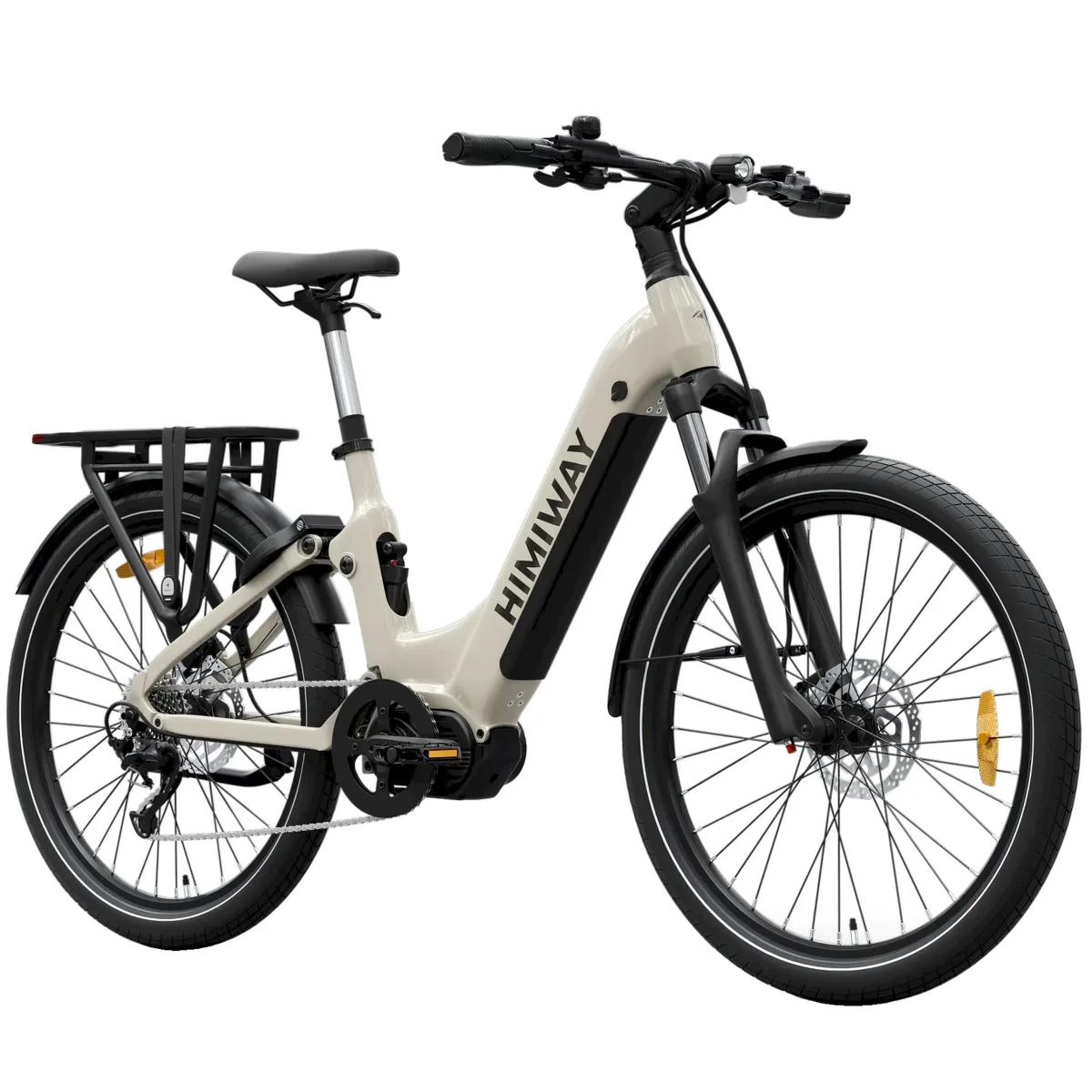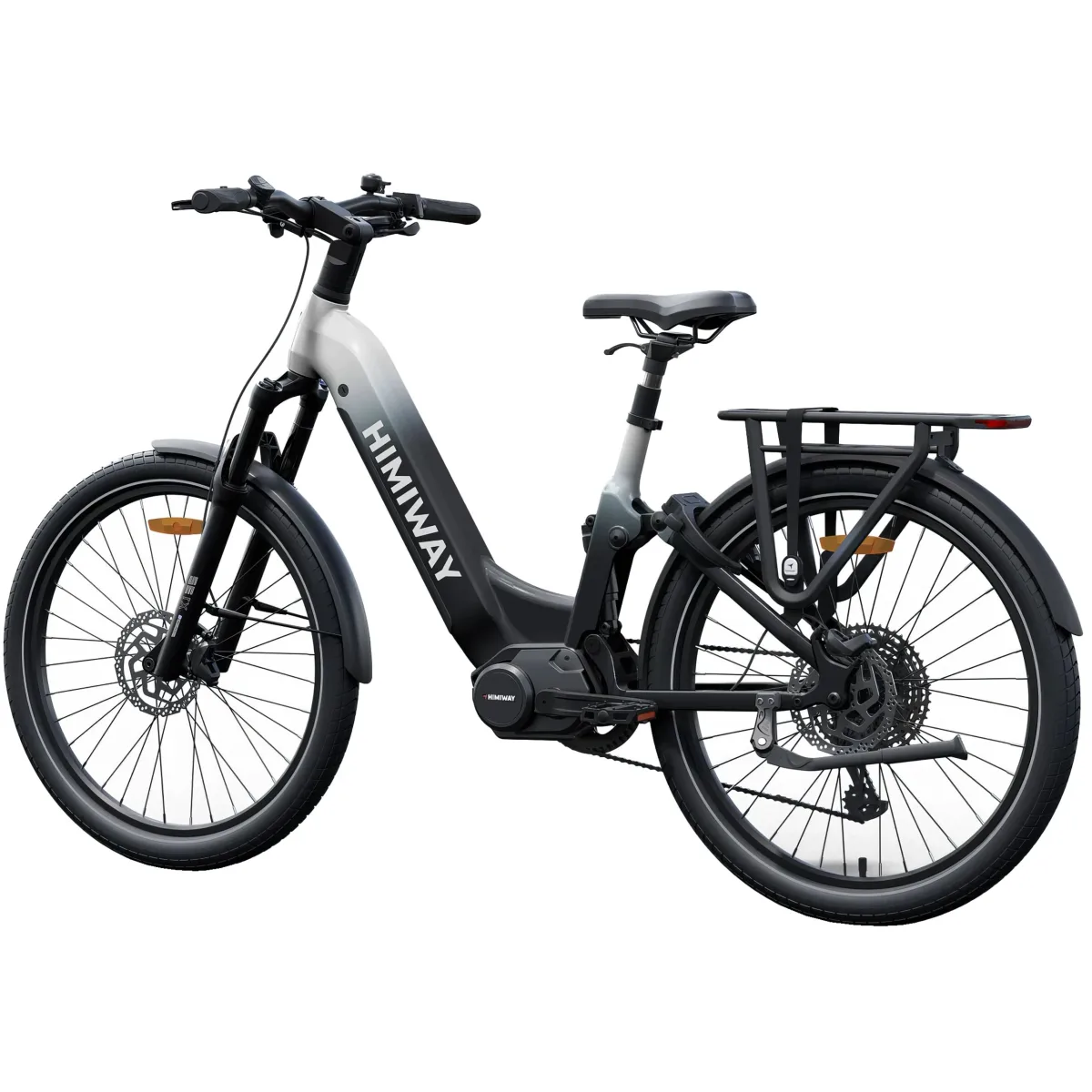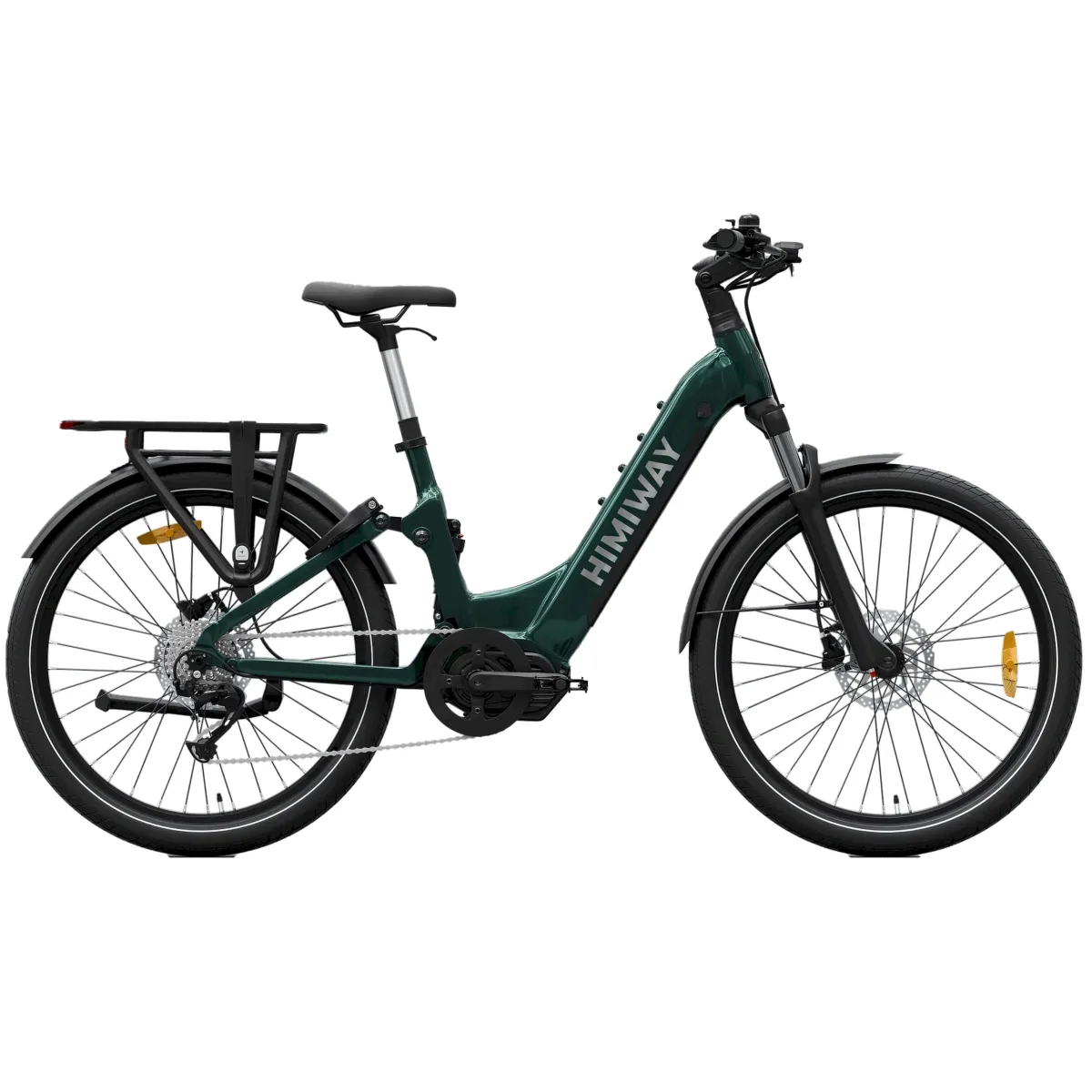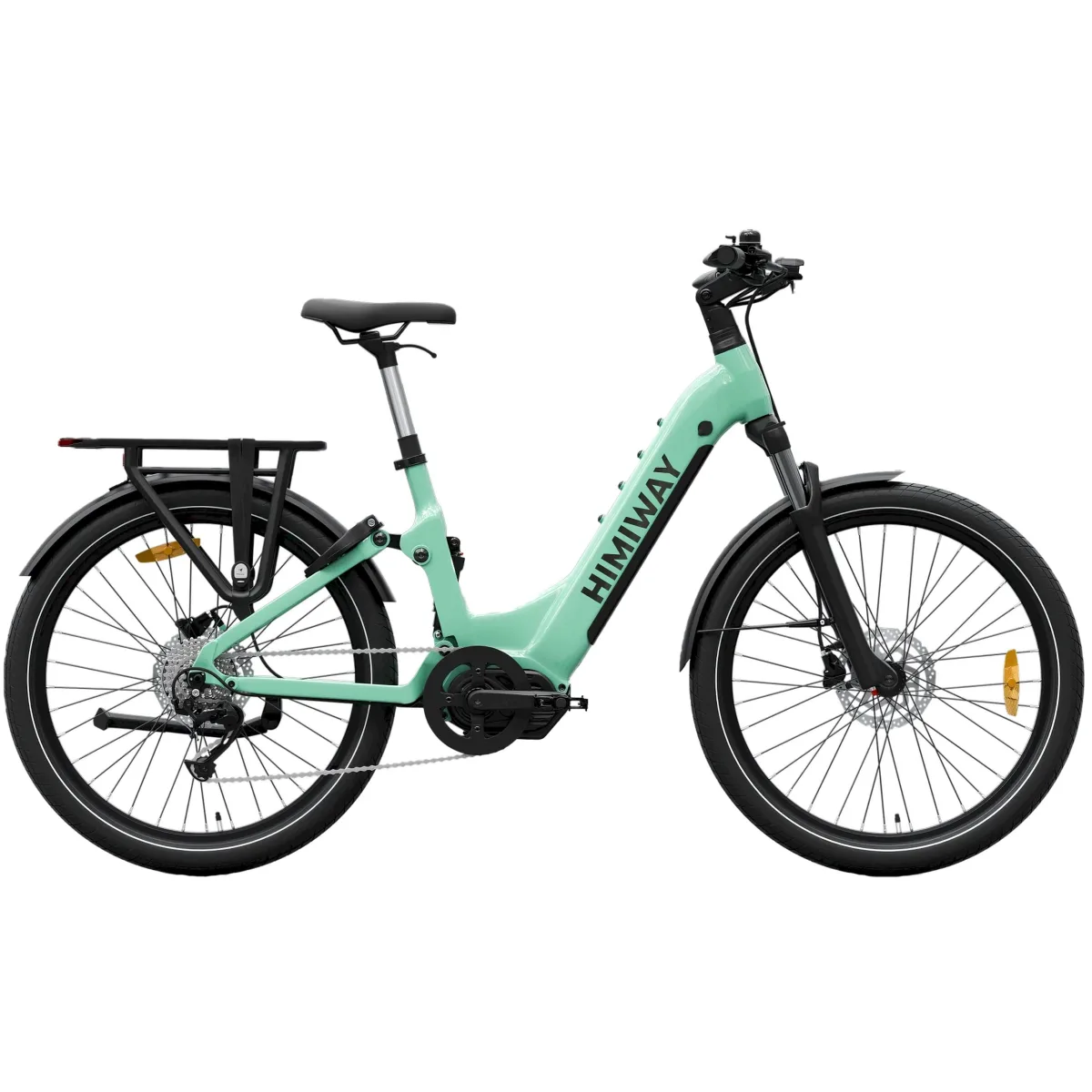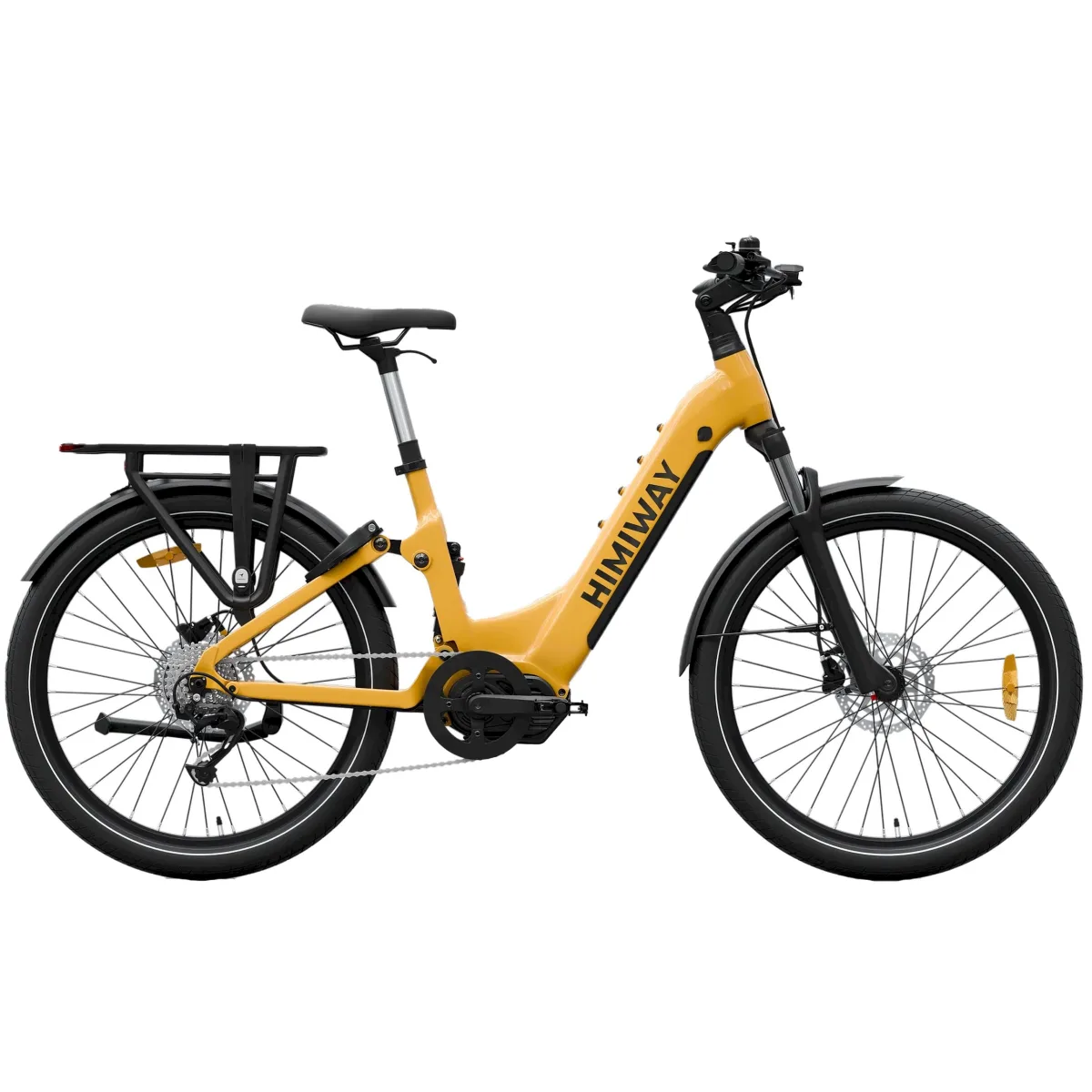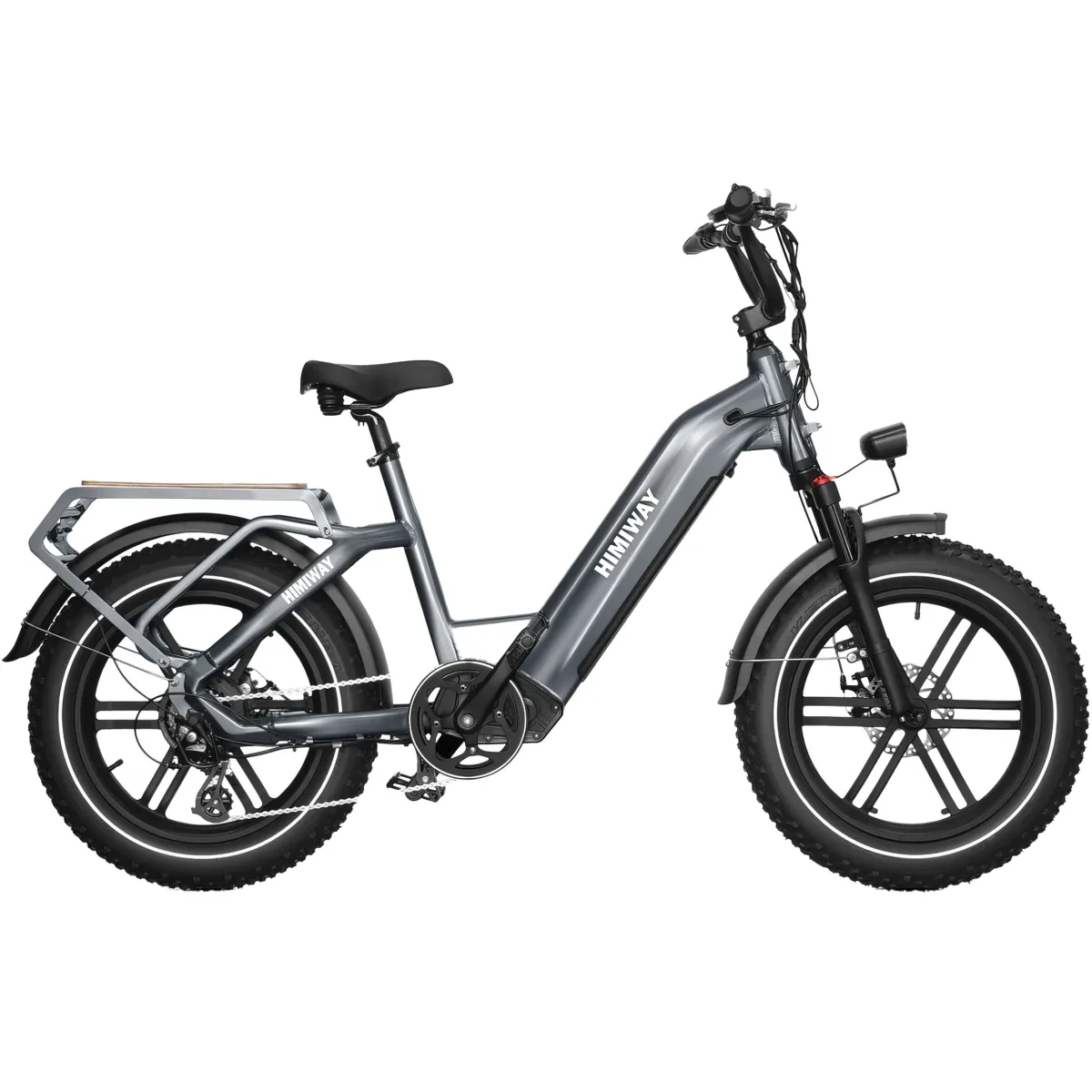
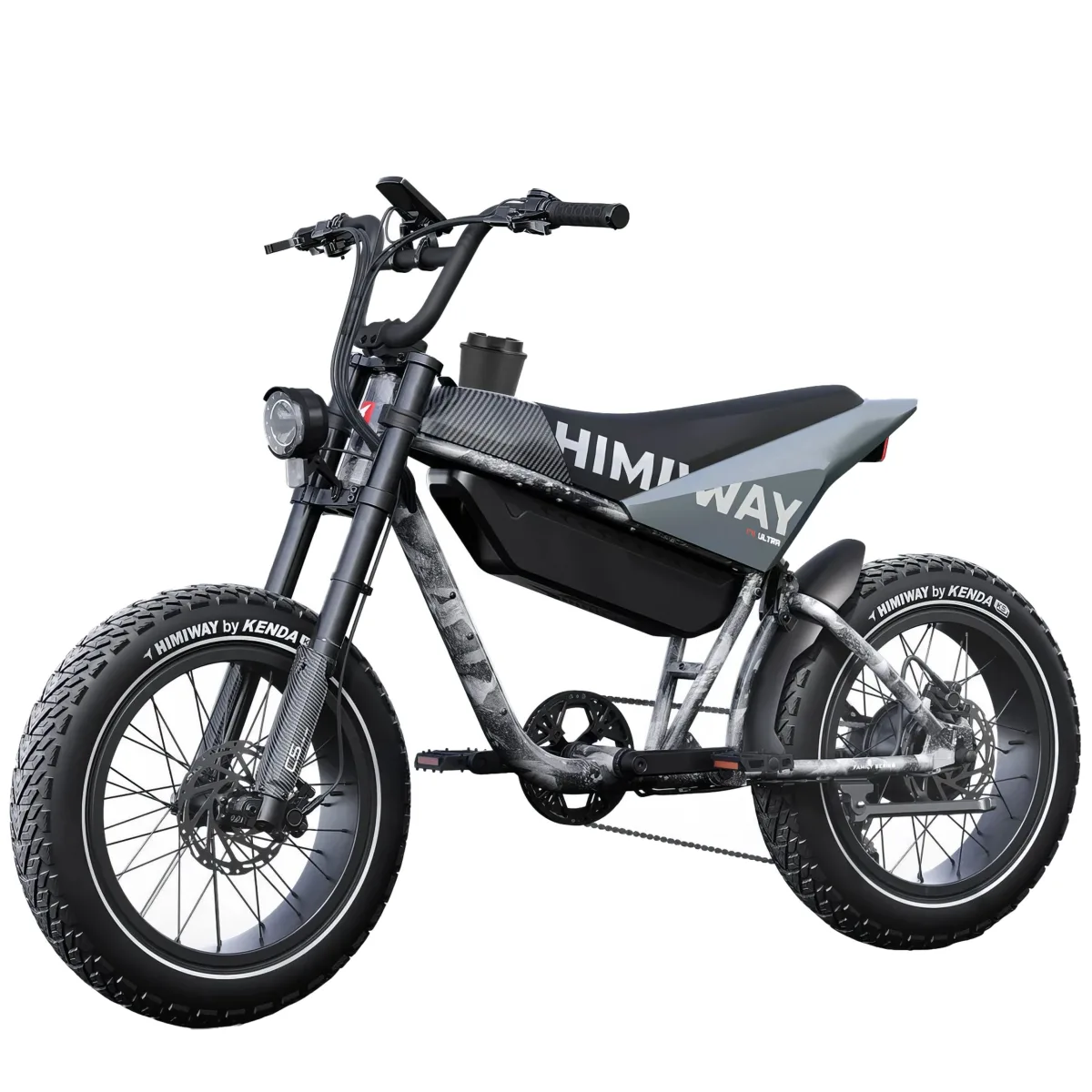
 Himiway C5 Ultra Electric Bike - 1500W Power | 20Ah Battery | 28mph Speed | 80mi Range | 20'' Kenda Fat Tyres — tap to view
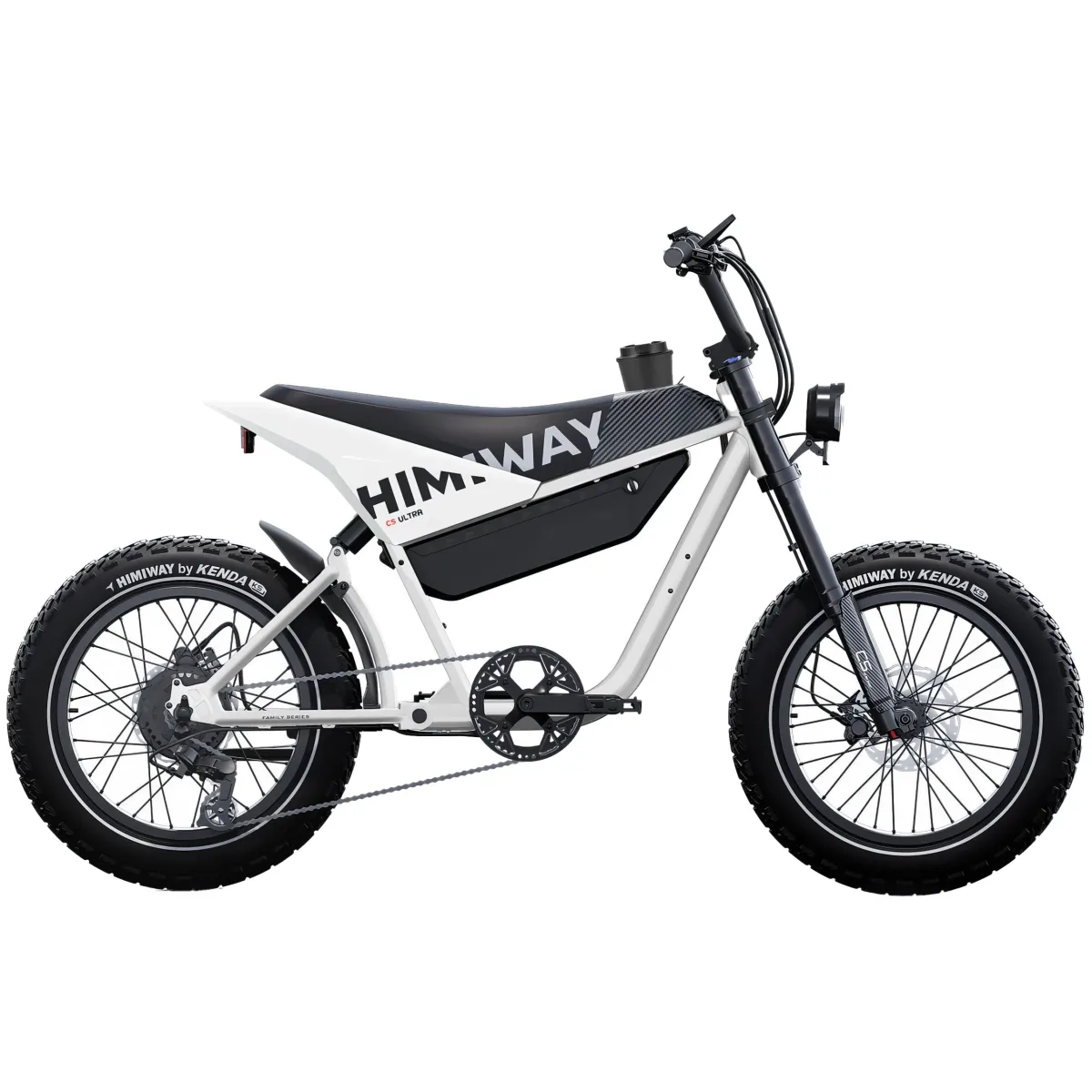 Himiway C5 Ultra Electric Bike - 1500W Power | 20Ah Battery | 28mph Speed | 80mi Range | 20'' Kenda Fat Tyres — tap to view
An e-bike is two thefts in one
A bicycle has one valuable part and a market for it. An e-bike has a motor, a battery, a display and a controller on top of the frame and wheels, and the battery alone is often the single most expensive component on the machine. Packs are also swappable, which is why a stolen pack moves quickly and quietly with no frame number attached to it.
That changes the order of priority. The lock protects the bike. The key in your pocket protects the battery. Both matter, and locking up without taking the pack with you leaves half the value sitting there.
What the lock rating actually means
Sold Secure is the UK testing scheme for security products, run by the Master Locksmiths Association. Locks are attacked with the tools a thief actually carries and then graded Bronze, Silver, Gold or Diamond, worst to best. It is the grading insurers work from, and for e-bikes it usually means Gold or Diamond whatever the bike cost.
So buy the lock to the price of the bike, not to the colour of the bike. A cheap D-lock and a length of cable is not security, it is a delay measured in seconds. A Sold Secure Gold D-lock through the frame and rear wheel, plus a Gold chain and padlock for the front wheel and the stand, is the sensible baseline for a commuter e-bike.
Two locks of different types, not two of the same. A thief who has come out for a chain has not brought the bottle jack that opens a D-lock, and the reverse is also true. Different attack, different tool, and the bike stops being the easy target.
Lock it to something that is actually fixed
The best stand in Britain is the Sheffield stand: the inverted steel U set into the ground. Push the bike up to it so the frame and rear wheel sit inside the U, and put the D-lock through both. There is no room left inside the lock for a jack, and nothing to lift the bike over.
What to avoid, in order of how often it goes wrong:
- A stand you can lift the bike over the top of. If the frame comes off the stand with the lock still on it, the stand was decoration.
- Thin railings and signposts. Railings cut, signs unbolt, and a post with a loose plate on top is a gift.
- Wheel-bender racks that grip only the front wheel. The wheel stays, the bike leaves. Lock the frame, and if that is not possible, use that rack for a second lock only.
- Scaffolding, temporary fencing and private railings. Scaffolding comes down, sometimes with your bike still attached, and you have no right to use someone else's property.
- Trees. It damages the tree, and a thin trunk can be cut. Some councils fine for it.
Lock as high up as you can. A lock resting on the pavement gives a thief a solid surface to swing a hammer against and a comfortable angle for a grinder. A lock at waist height on a stand gives them neither.
The battery, the display and the saddle
If the pack lifts out, it lifts out every time you park. Most e-bike batteries are held by a key lock: turn it, slide the pack forward and off, and take the key with you. Ten seconds at the rack, and the most saleable part of the machine is in your bag or under the desk at work.
Some machines have the battery built into the down tube with no way to remove it quickly. Nothing to carry, but also nothing to remove, so the lock has to do the whole job on its own: a Gold D-lock plus a Gold chain, every time, no exceptions on the days you are in a hurry.
The display is the other part worth taking. On a lot of bikes it unclips with a push of a tab, and a machine missing its display is harder to sell and often will not run properly without it. Quick-release saddles and seatposts come off for the same reason, and a saddle with a dropper or a suspension post is not cheap to replace. If any of that is a faff, a small cable through the saddle rails to the frame is enough to send a thief to the next bike.
All day at a station or a workplace rack
A station rack is where an e-bike is most exposed, because it sits there for eight or nine hours in the same place, in the dark for half the year. Two locks, battery off, display off, saddle off if it is quick release, and park in the busiest, best lit spot within sight of the ticket office or a camera rather than round the back where it is quiet.
If the commute ends at a station, the honest answer is often a folding e-bike taken on the train instead. Folding bikes are generally carried as luggage, but check the rules of the operator you actually use, because peak-time restrictions and reservations vary. It removes the all-day rack from the equation completely, which no lock can do.
Where you park matters as much as what you park it with. Being the second-easiest bike on the rack is enough. Vary the spot, avoid leaving it in the same place at the same time every day, and never leave it on the street overnight if there is any alternative at all.
Where it lives overnight
Most thefts happen at home, and most of those happen because the bike was left in a communal hallway, on a balcony, or in a garden under a cover. None of those are storage. A shared hallway is the worst of them: dozens of people have the door code, and nobody is watching.
If the bike has to live in a shed or outbuilding, treat the shed as the outer wall and the lock as the real security. Bolt a ground anchor through the floor, lock the frame to it with the Gold lock, and upgrade the shed's own lock and hinges. Anchor through the frame, never through a wheel: a wheel comes off in seconds. Do not leave the bike in the garden, even under a cover, even behind a gate, even for a night.
Indoors, a wall or floor anchor in the hall means the lock is already where you need it, so locking up at home costs five seconds and stops being a decision. That is the whole trick: make the secure option the lazy option.
Sort out charging at the same time. Charge and store the pack at room temperature on a hard, non-flammable surface, in a room someone is in, following the charger and manual the bike came with. Not in the only hallway out of a flat, not in a cold outbuilding, and never a pack that is damaged, swollen or has been soaked.
Record it before you need it
This takes fifteen minutes and it is the difference between a bike that comes back and a bike that does not. The frame number is usually stamped on the underside of the bottom bracket, where the pedals meet the frame; on some frames it is on the rear dropout or behind the head tube. Take a photo of it while you can still read it, because it is the first thing that rust and mud take.
Then record, and keep somewhere you can find in a year:
- The frame number as a photo and as typed text, so it can be pasted into a report.
- The motor and battery serial numbers from the labels on the units. These are what identify a pack that has been separated from its bike.
- Photos of the whole bike from both sides, taken while it is clean and unmodified.
- The receipt or order confirmation, and the lock receipt too.
Register the frame number on BikeRegister, the national cycle database police use, and on Immobilise, the national property register. Both are free, both let you flag the bike as stolen if it goes, and a marked, registered frame is a much worse buy for anyone reselling it. Security marking kits are worth the small cost for the same reason: a visible mark says this frame is known.
What insurance will ask of you
Insurance is not a legal requirement for an e-bike that is a compliant EAPC, and plenty of riders go without it. If you do insure, read the security conditions before you rely on them, because they are specific and a claim can fail on a technicality:
- Minimum lock rating. Usually Sold Secure Gold or Diamond for an e-bike, and the policy may ask for proof of purchase of the lock itself.
- Through the frame, to an immovable object. A cable around a wheel is not enough, and expensive locks that only hold a wheel do not satisfy the wording.
- A time limit on how long the bike can be left unattended away from home, often extended for a station or a workplace.
- Conditions at home, including whether theft from a shed or a communal store is covered at all, and what locks the door needs.
- Whether the battery is covered when it is taken on its own, or only when the whole bike goes.
Check the wording for your own policy rather than assuming, and if you buy a more expensive bike, check that the lock you already own still meets the requirement. Insurers generally will not cover a machine that is not an EAPC or that is treated as a motor vehicle, so a de-restricted or over-power bike is often uninsurable as a bicycle.
If it does go
Report it to the police and get a crime reference number: insurers ask for it, and so does any recovery process. Flag the bike as stolen on BikeRegister and Immobilise if it is registered there, tell your insurer inside their notification window, and tell us at the contact page if you need the model and serial details from your order. Serial numbers are what recover a bike; a description alone rarely does.
Choosing a bike you can actually secure
Security is a buying decision as much as a locking one, and two numbers on the listing do most of the work: the battery and the weight.
Weight decides whether the safest place to keep the bike is indoors. A folding machine is only an advantage if you can carry it. A 20kg folder up two flights is manageable; a 36kg folding fat-tyre bike is not something you will haul up a stairwell twice a day, and a bike that stays downstairs because it is too heavy is a bike that gets left on the rack. If you live in a flat, buy on kilos before anything else.
A removable, key-locked battery is the other one. It means the pack comes in with you at work and at home, which protects the most expensive part of the machine and keeps it warm in winter. A battery built into the frame is neater and harder to steal as a unit, but it commits you to a heavier, more thorough locking routine every single time.
Every machine we sell as road-going is a legal EAPC: 250W, assistance cutting out at 15.5mph, and you have to pedal. Models in the catalogue above those limits are for private land or registered road use, not the commute. Start with the e-bike range and check the battery capacity and weight on each listing; if the choice between a folder and a full-size commuter is not obvious, ring us and we will tell you which one fits the ride you actually do. Delivery is a flat £45 to any UK address, 3–7 working days, with a tracking link when it dispatches, and the delivery page has the detail.