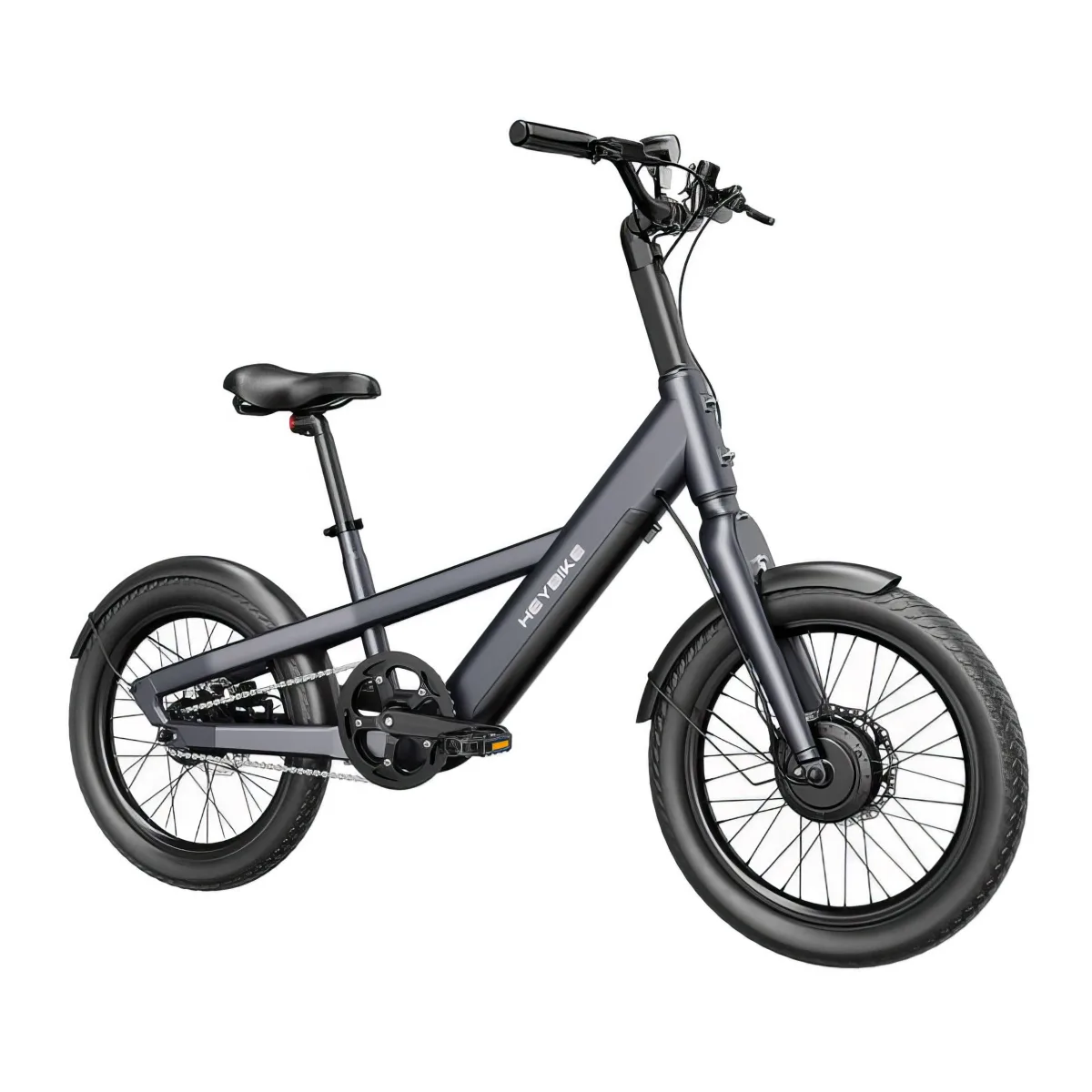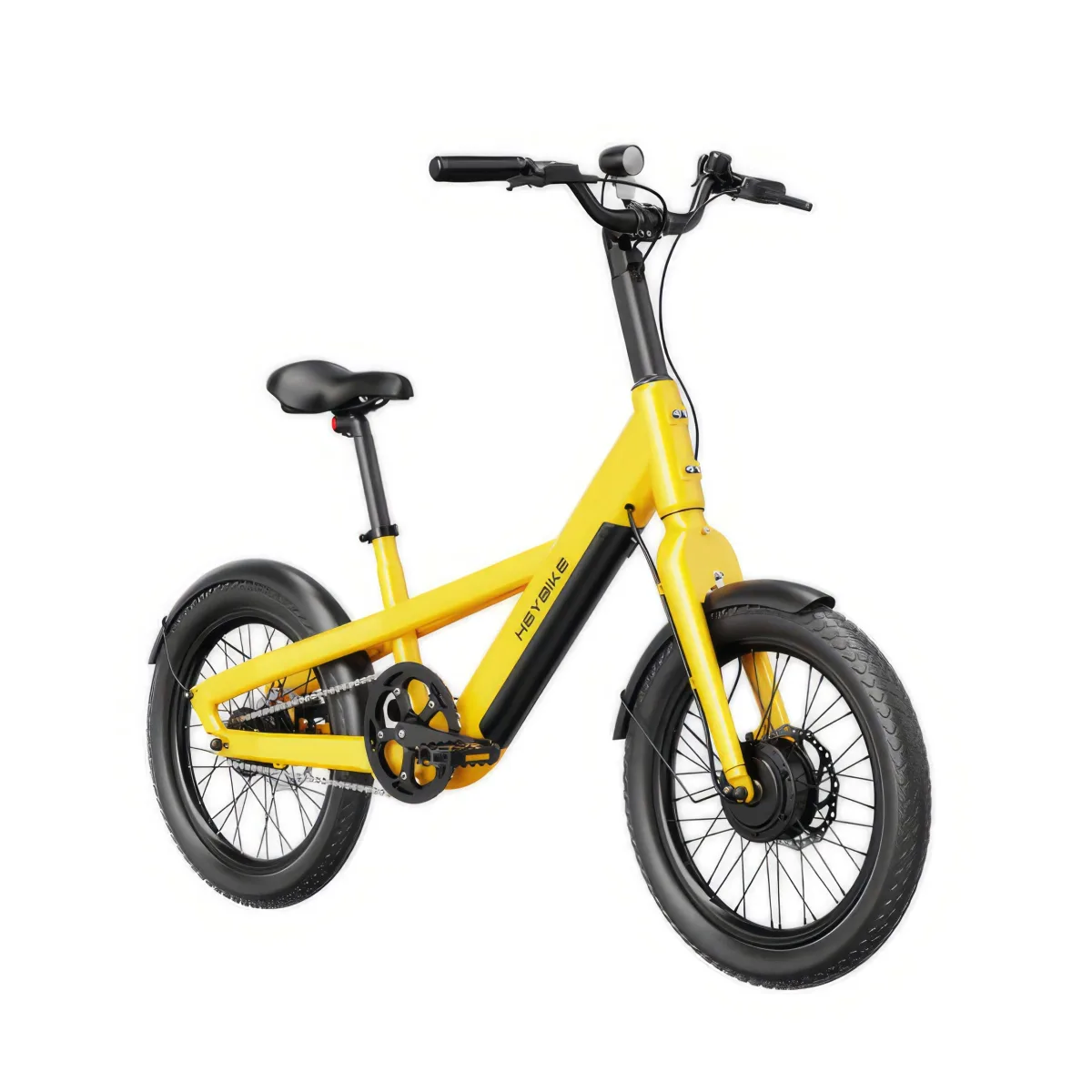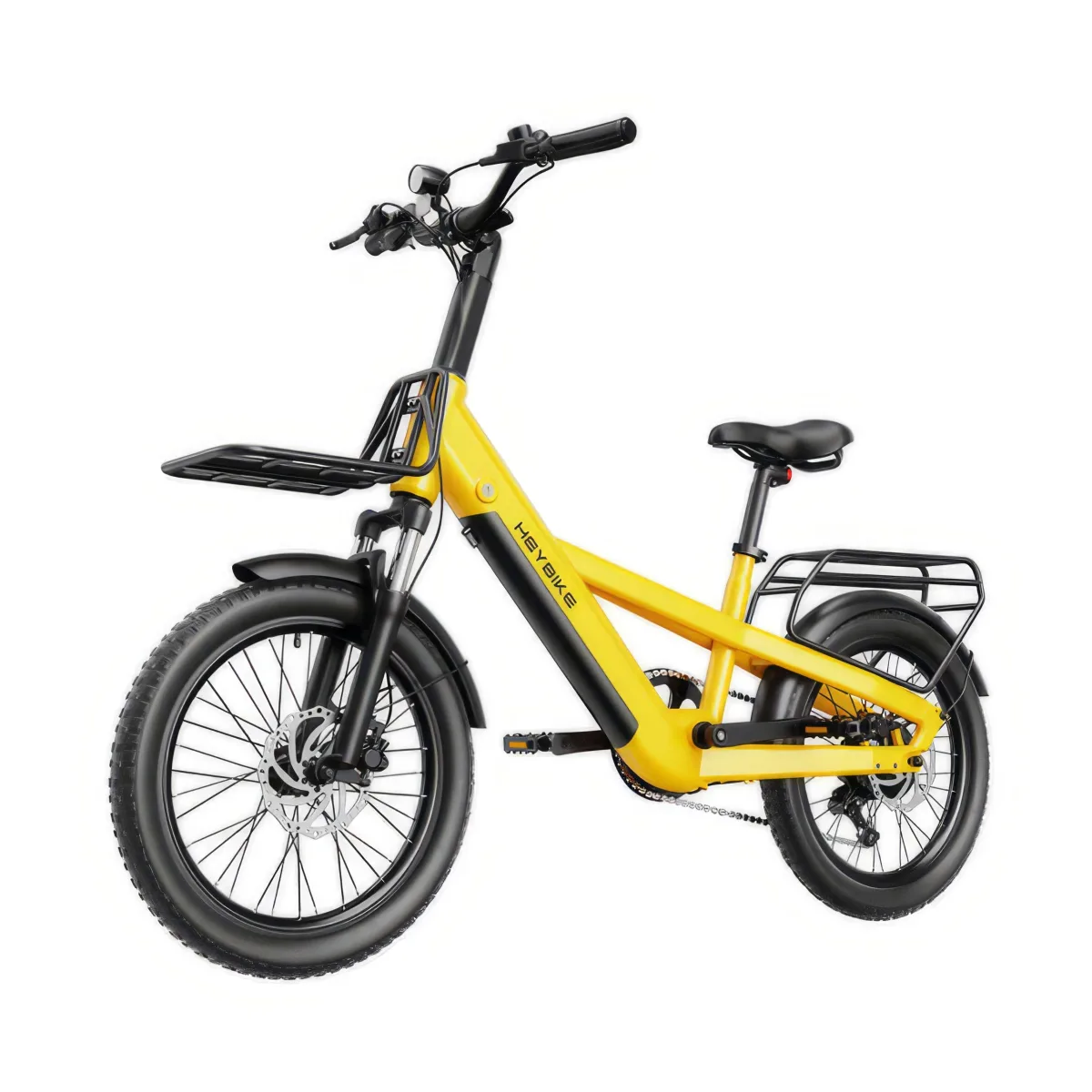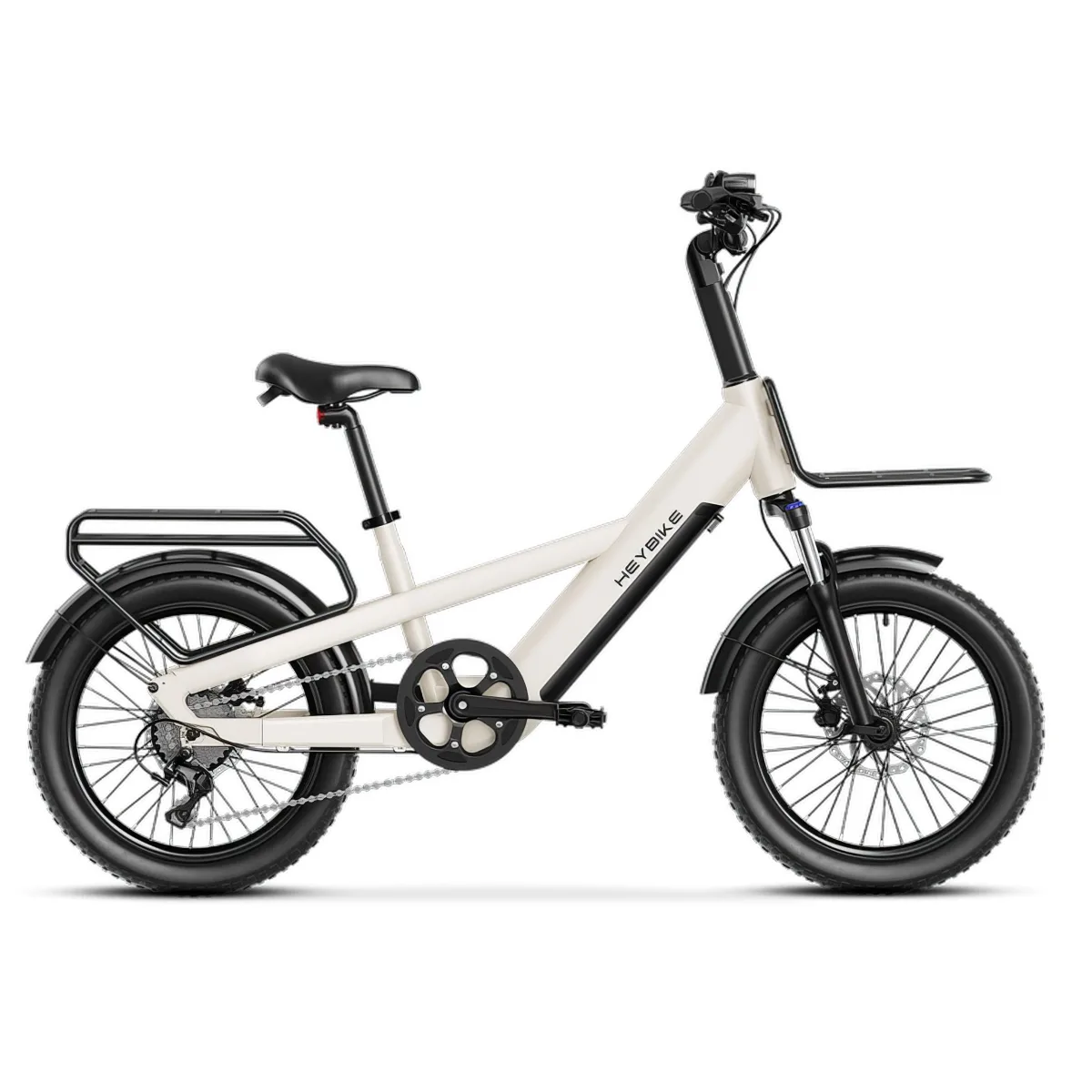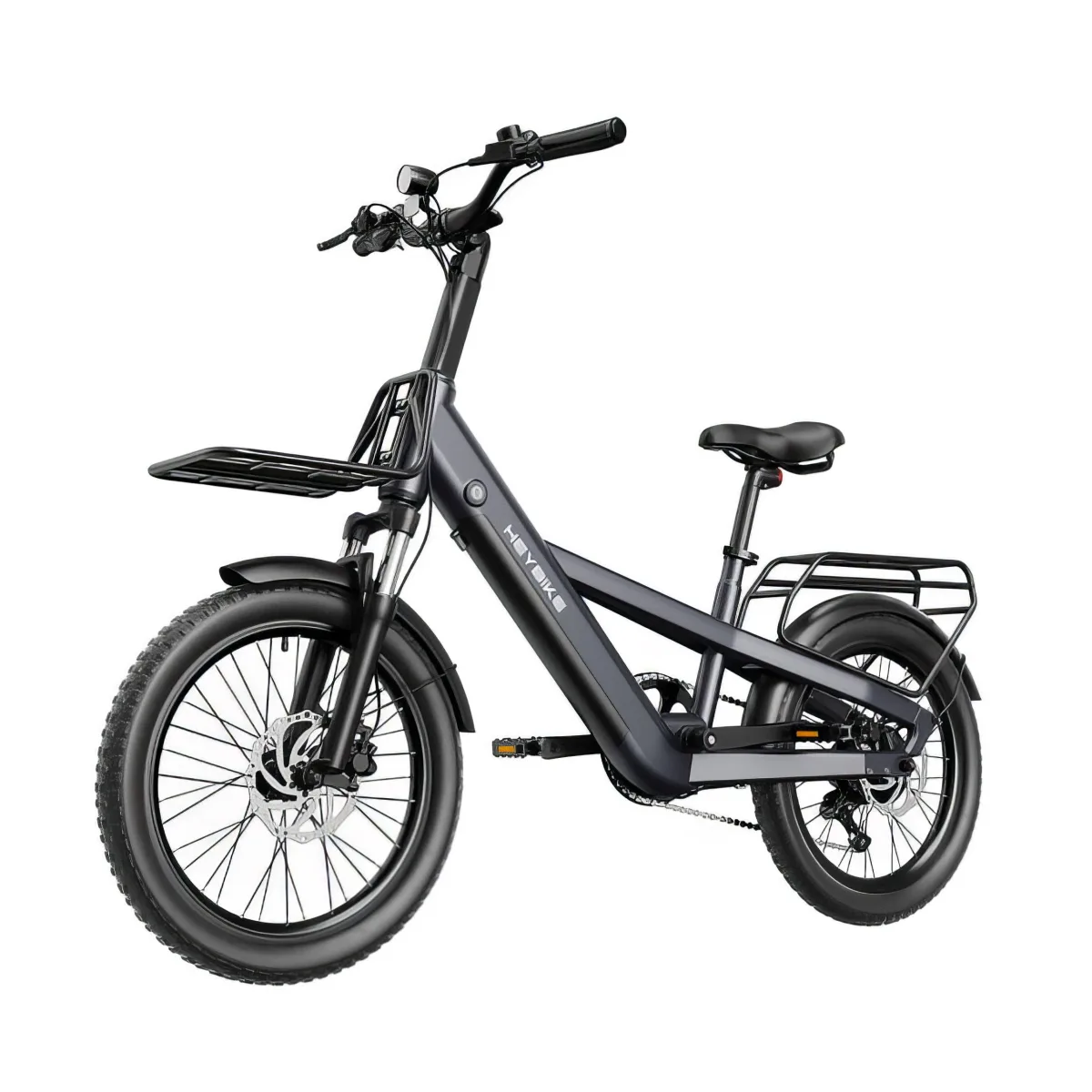
 Heybike EC1 Step-Through Electric Bike - 250W Power | 10Ah Battery | 15.5mph Speed | 62mi Range — tap to view
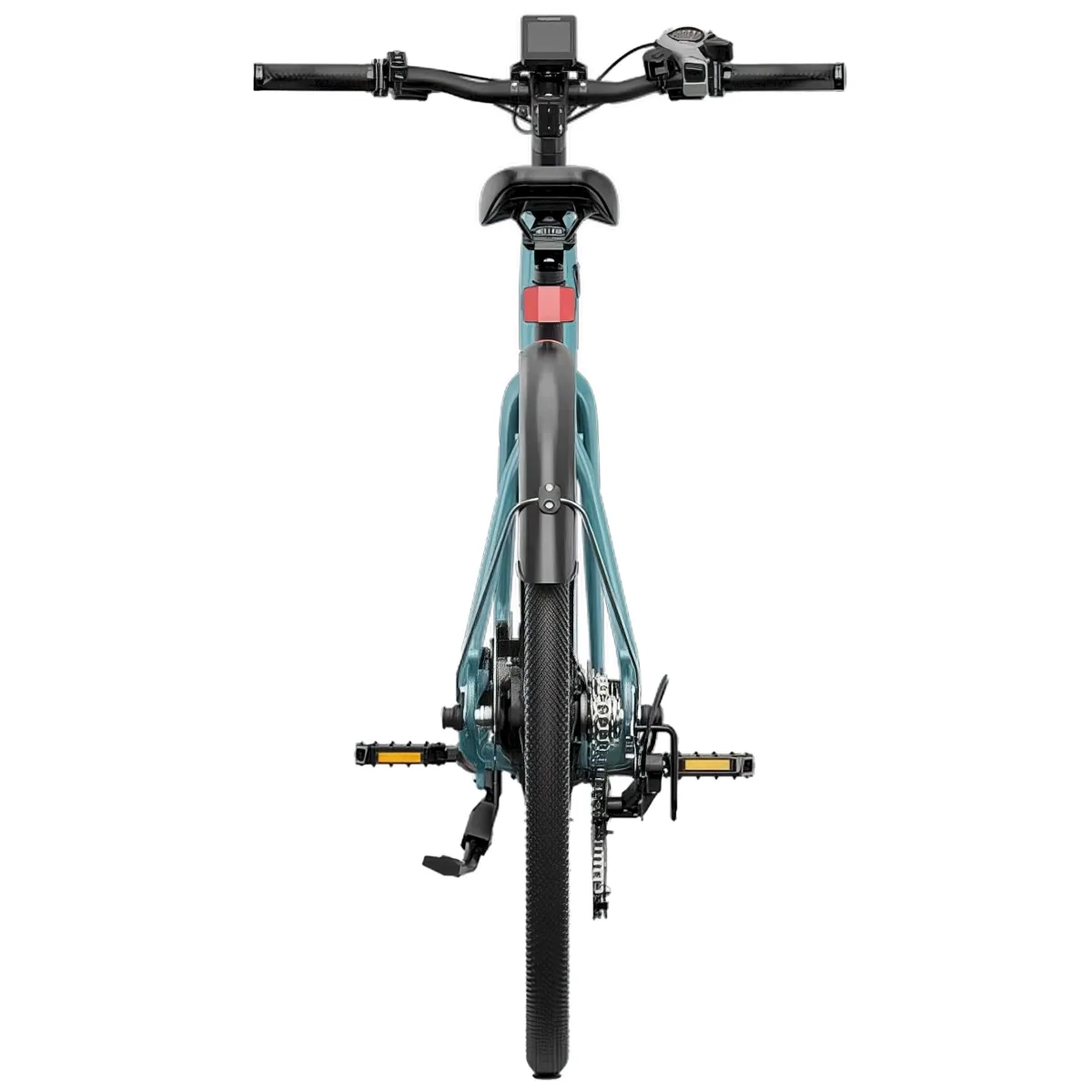
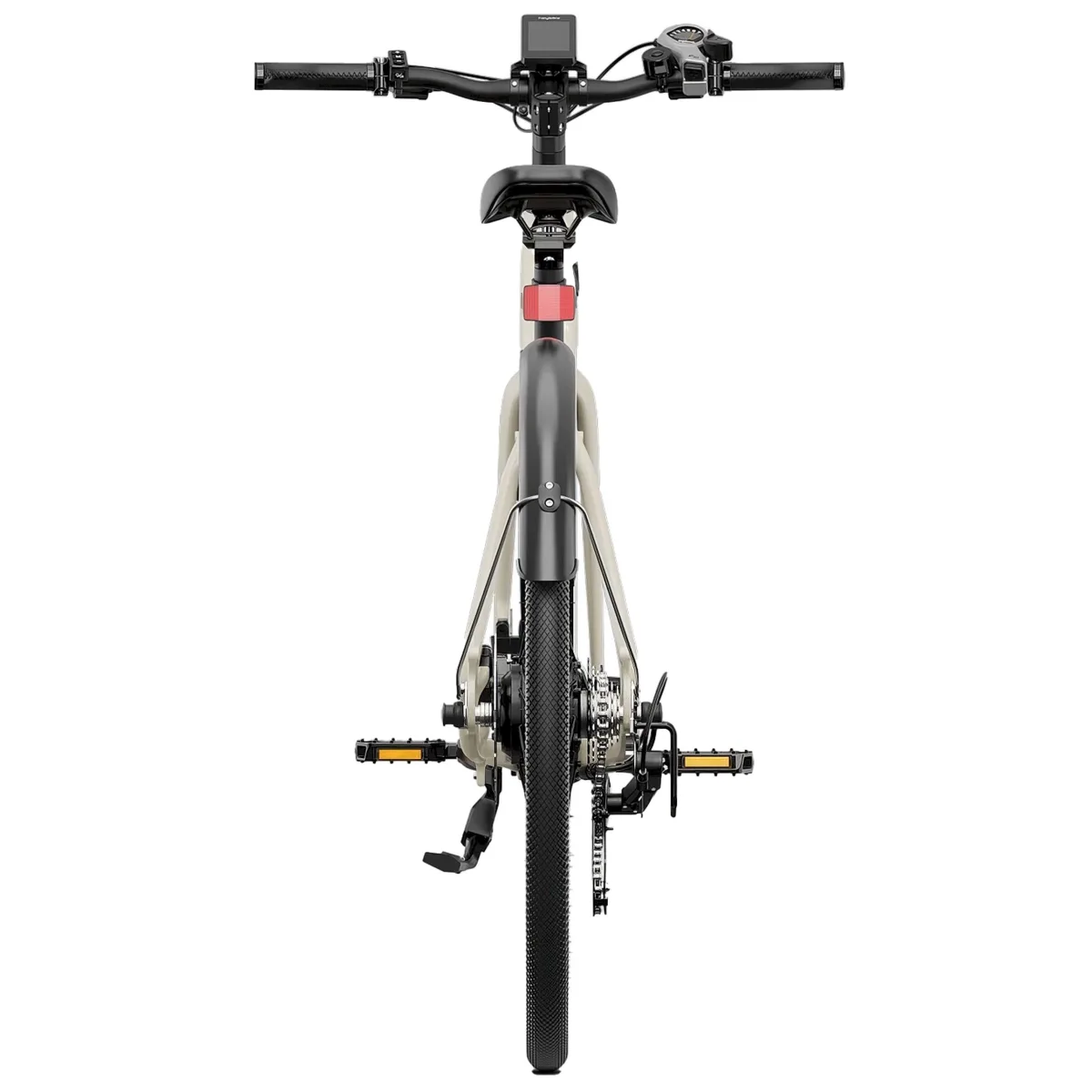 Heybike EC1 Step-Through Electric Bike - 250W Power | 10Ah Battery | 15.5mph Speed | 62mi Range — tap to view
Why your range drops when the temperature does
Nothing has broken and nothing has worn out. A lithium-ion pack works by chemical reaction, and cold slows that reaction down. Internal resistance rises, the voltage sags further under load, and the battery management system reads a lower voltage and reports less capacity than is really there. Ride for twenty minutes and the pack warms itself up, which is why the gauge often recovers partway through a ride.
Three other things stack on top of that in winter. Cold air is denser, so you push more of it out of the way at the same speed. Wet roads add rolling resistance, and a headwind on an exposed commuter route costs more than the same gradient would. You also carry more: heavier layers, a waterproof, sometimes a laptop you would have left at home in June.
So plan a margin rather than a figure. Nobody can tell you honestly that you will lose a set percentage, because it depends on the temperature, your weight, the hills, the assist level and how much you pedal. The practical move is to treat your summer range as a fair-weather number and charge at both ends of the commute if you can, or drop a level of assist on the flat and save the top level for the climb.
Lights, and the law that has not changed
After dark a pedal cycle needs a white light at the front and a red light plus a red reflector at the back. That applies to an EAPC exactly as it applies to an unpowered bike, and it applies from well before you would switch on a car's headlights: British winter afternoons go dim by half three.
- Fit lights to the bike, not just to you. A helmet light is useful for seeing, but it does not satisfy the requirement for a light on the machine.
- Charge them weekly, not when they die. Cold drains cells faster, and a light that faded on the way in is a light that fails on the way home.
- Reflectives earn their keep. Tyre sidewalls, pedals, a jacket with reflective panels. In low sun and drizzle, being seen side-on at a junction matters more than a bright beam ahead.
Mudguards and what spray does to a bike
Full-length mudguards with a decent flap are the cheapest upgrade you can make for a winter commuter. Without them, road grit and salt water go straight into the bottom bracket, the chain and the battery and motor connectors, and the rider behind you gets a face full of it. If your bike came with short guards, extend them.
Clean the bike with a bucket and a soft brush, not a pressure washer. A jet aimed at a bearing, a display or a connector housing pushes water past the seals it is meant to keep out. Dry the chain, re-lube it, and wipe the battery contacts with a dry cloth. Do that once a week in the salt months and the drivetrain lasts seasons rather than months.
Brakes deserve a look too. Disc brakes keep working when a rim is soaked; rim brakes need a second of dry rotation before they bite, so leave more room on the first pull after a long descent or a flooded stretch.
Tyre grip on wet leaves, drain covers and paint
Most winter falls on a bike are not caused by ice. They happen on wet leaf mush in a cycle lane, on a steel drain cover, on painted white lines at a junction, and on the compacted gravel that councils spread on icy paths. Take those at a shallower angle and with the bike more upright, and brake before them rather than on them.
Check pressures weekly through the winter. Cold air contracts, so a tyre that was right in September reads low in December, and a soft tyre feels vague in the wet and invites pinch punctures on potholes. Keep to the pressure on the sidewall or in the manual rather than what feels comfortable.
Wider rubber does help, up to a point. A fat-tyre machine such as the Hitway BK15 with its 4.0in tyres puts more tread on the road and is steadier on wet towpaths and gravel, but the extra rotating weight costs you range, which matters more in the cold. Fat tyres are not a substitute for care on ice. Nothing on two wheels is.
Battery care: the one thing that actually breaks packs
Riding in the cold does not damage a battery. Charging one that is still frozen can. Lithium cells do not like being charged below freezing, and doing it repeatedly plates the anode and permanently reduces capacity. So:
- Bring the pack indoors to charge. Room temperature, on a hard non-flammable surface, in a room you are in, following the charger and manual the bike came with.
- Let a cold pack reach room temperature first. An hour or two on the hall floor before it goes on the charger is enough; do not put a pack straight off a freezing ride onto charge.
- Take a removable pack inside with you at work. It stays warm, charges safely, and it is not sitting in a bike shed at minus two all day.
- Store part-charged if the bike is off the road. Most manufacturers advise storing a pack neither full nor flat for long periods. Check your own manual rather than guessing.
- Never leave a pack charging unattended overnight in a shed or hallway if the maker's instructions say otherwise, and never charge a pack that has been damaged, swollen or soaked.
If your bike lives outdoors, a cover and a dry, ventilated spot for the battery are worth more than any accessory you can bolt on.
Rider, not just bike
Layers you can open on the climb and close on the descent beat one heavy coat. Waterproof over-trousers and a peaked cap under the helmet make a wet commute ordinary rather than grim. Gloves with grip on the palms matter more than thick insulation, because cold fingers on wet brake levers is how people come off. And watch the low sun: in December it sits straight down a lot of east-west commuter routes at eight in the morning, and a driver with a misted windscreen may simply not see you.
A ten-minute weekly check
- Tyres: pressure, and look for glass or grit picked up in the wet.
- Brakes: pads, and that both levers bite before the bar.
- Chain: wipe, lube, and check it is not dry or rusty.
- Lights: front, rear, and a spare set in the bag.
- Battery: contacts clean and dry, no swelling, no damage to the casing.
- Bolts: stem, seatpost, rack and mudguard stays. Salt and vibration work them loose.
Any machine you buy from us is a legal EAPC if it is sold as one: 250W motor, assistance that cuts out at 15.5mph, and you have to pedal to get it. Models in the catalogue above those limits are for private land or registered road use, not for the commute, and no amount of winter kit changes that. If you are unsure which side of the line a particular listing sits on, ask before you order.
Winter is also the best time to buy if you are using Cycle to Work: the scheme runs all year, and a bike bought in November is a bike you have learned before the clocks go forward. Delivery is a flat £45 to any UK address, 3–7 working days, with a tracking link on dispatch; the delivery page has the detail. Start with the e-bike range and check the battery capacity and weight on each listing, because those two numbers decide how a winter commute actually goes.