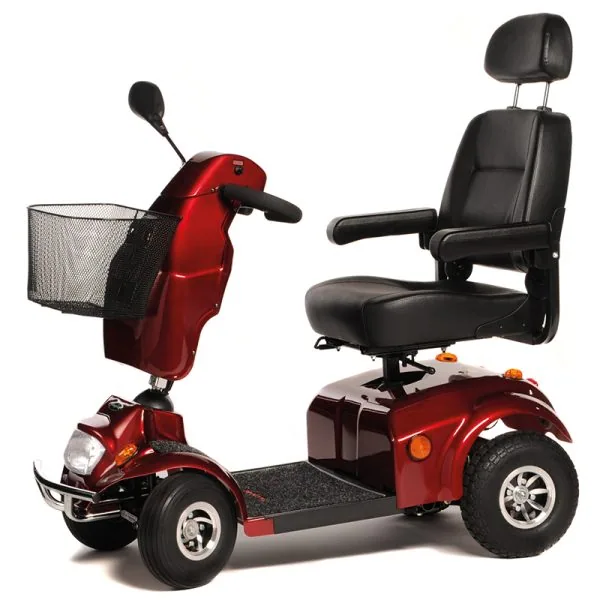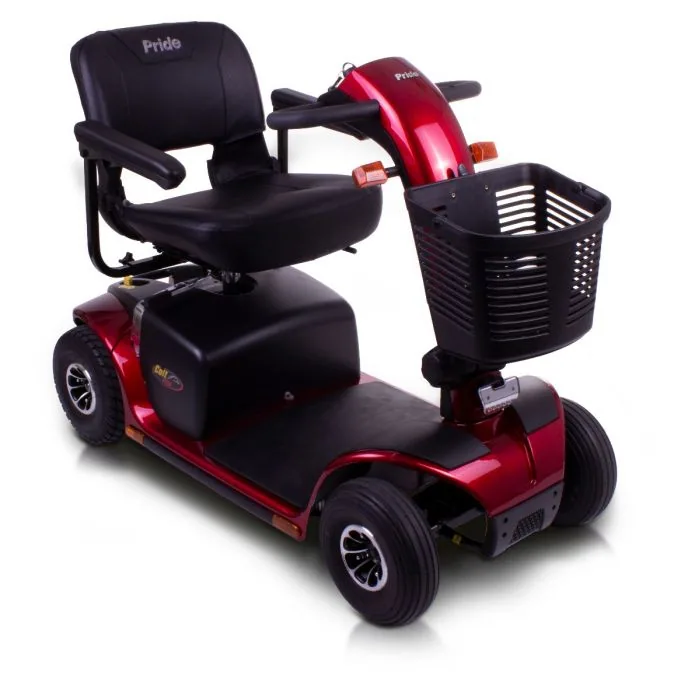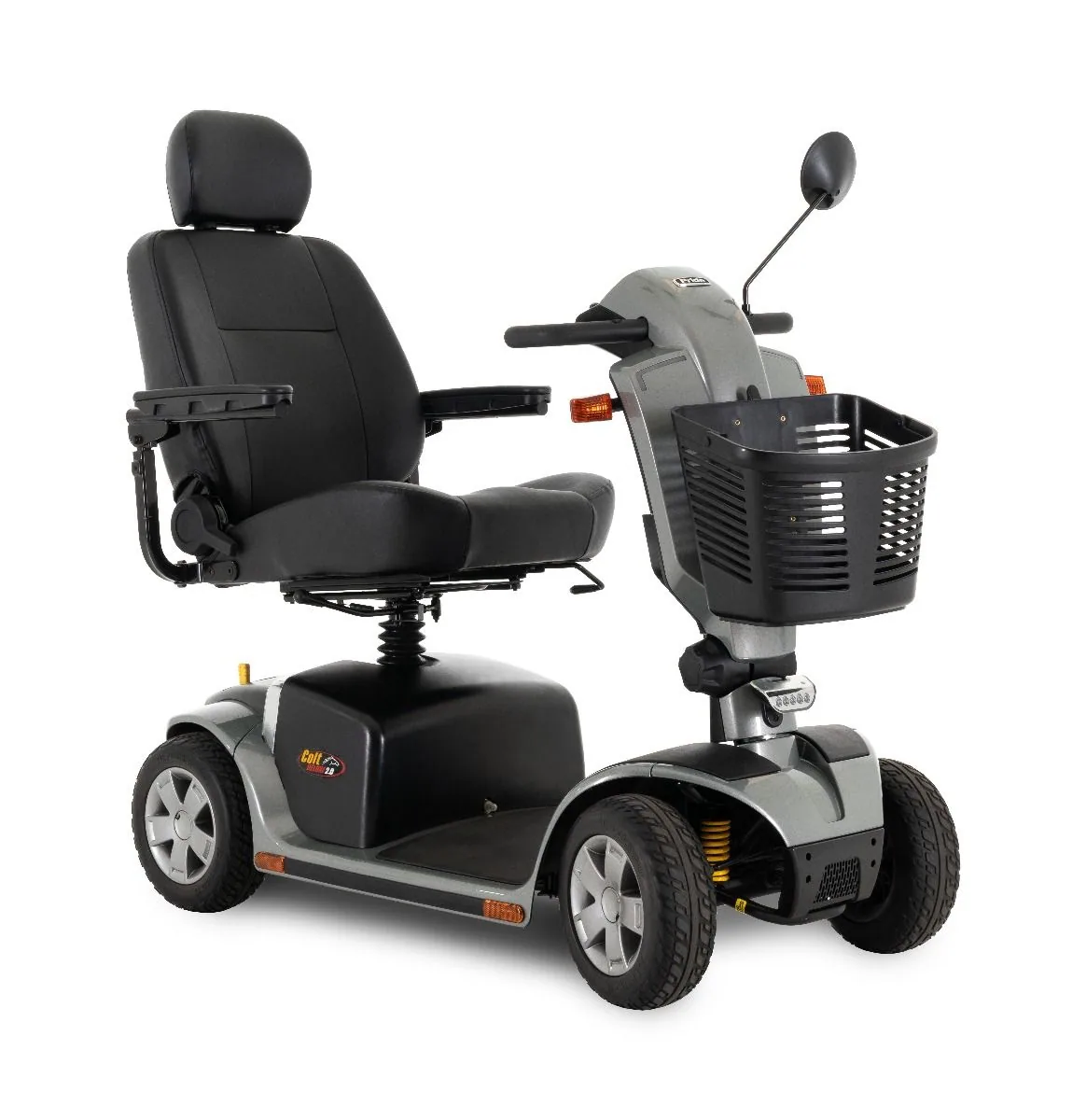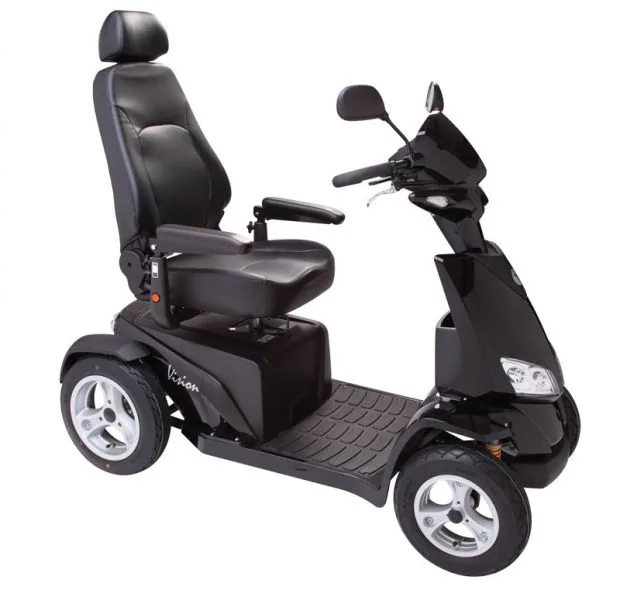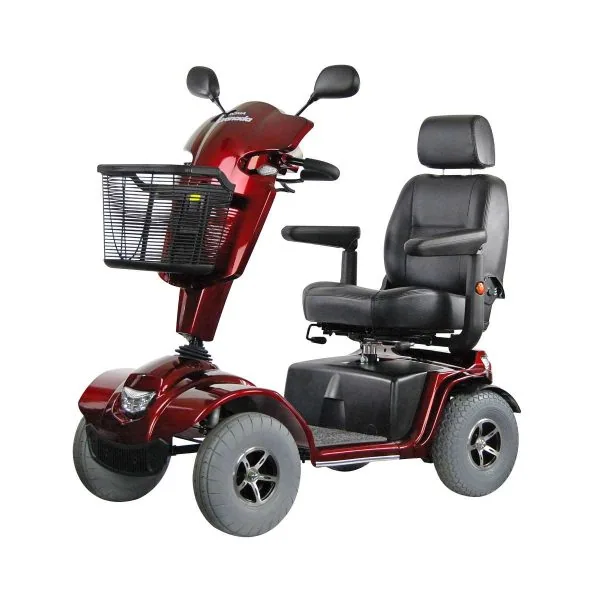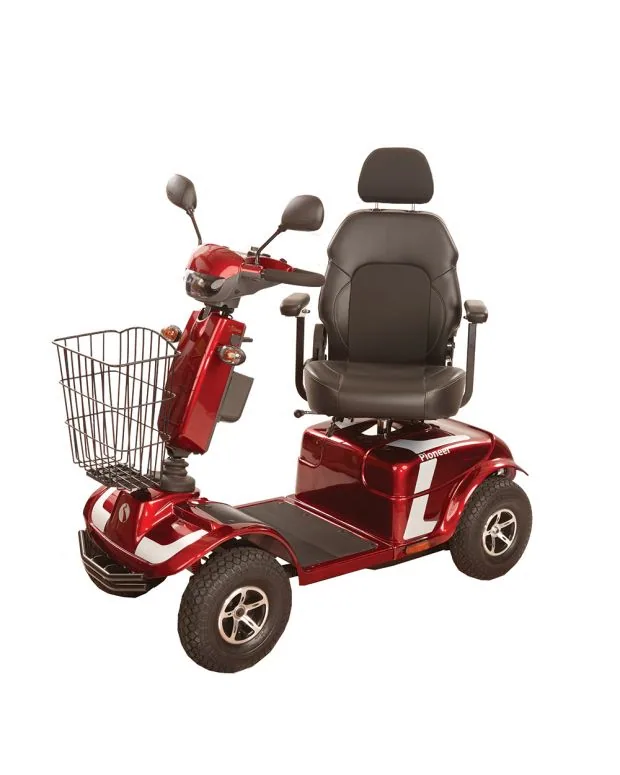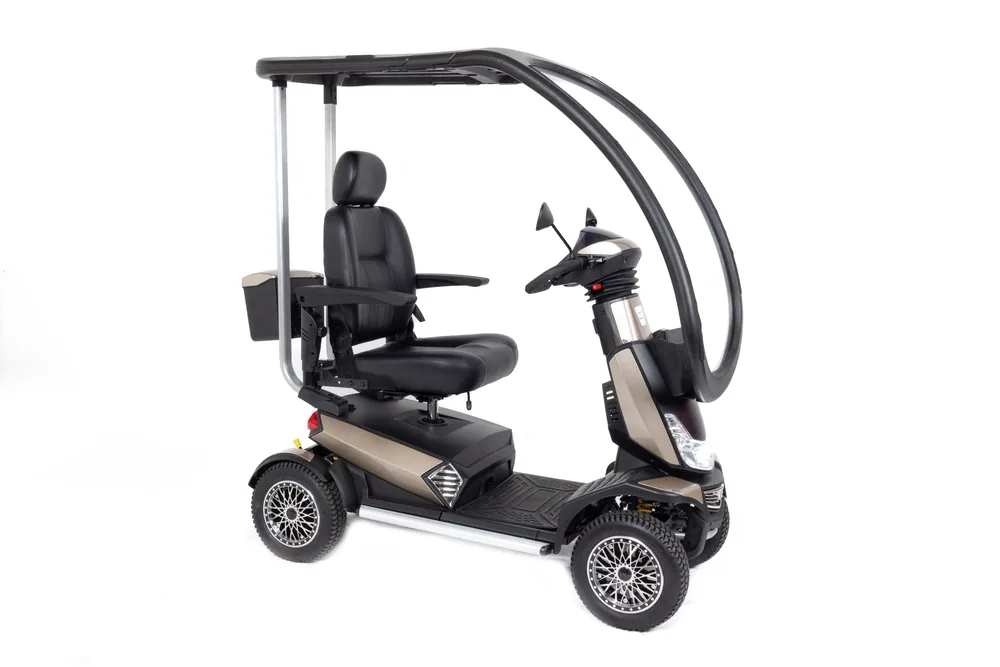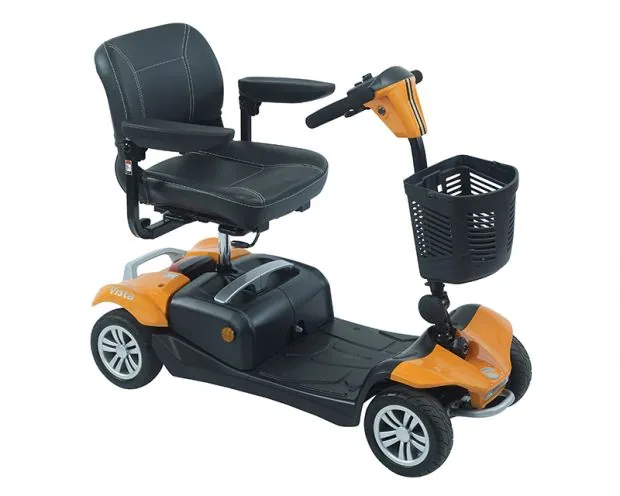
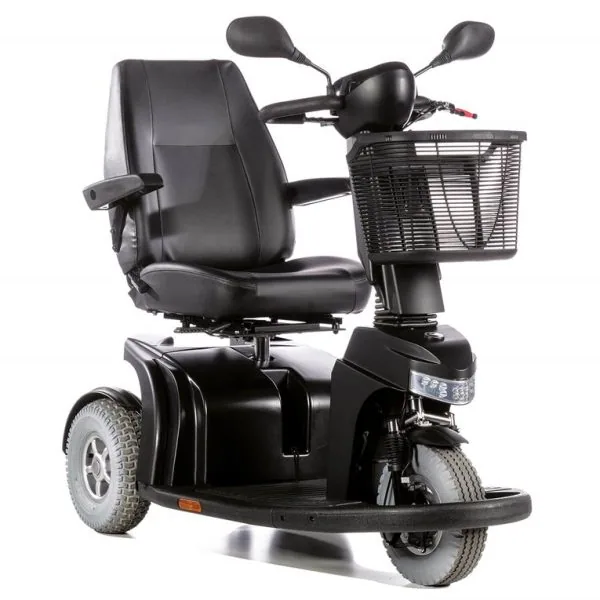
 STERLING Elite² XS Mobility Scooter Compact, Comfortable & Road‑Ready — tap to view
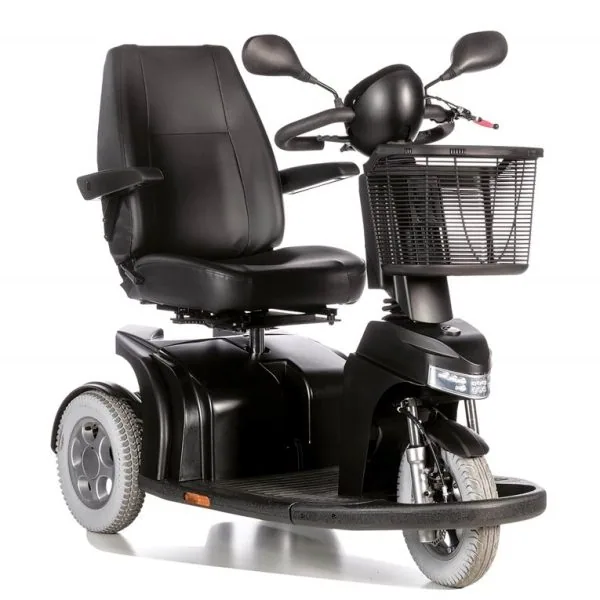 Sterling Elite 2 Plus Mobility Scooter Premium Road‑Legal Mobility Scooter — tap to view
A mobility scooter battery is a wear item, and it is treated badly more often than any other part of the machine. The scooter itself usually outlasts it. Get the charging and storage right and you keep the range the machine was sold with; get it wrong and a scooter that did 20 miles starts struggling at eight.
First, know which battery you have
Two types turn up across the catalogue, and they do not want the same treatment.
- Sealed lead-acid — usually two 12V batteries wired together, quoted in amp-hours (Ah). You will see figures like 2 x 50Ah or 2 x 75Ah. They are heavy, cheap to replace and hate being left discharged.
- Lithium — a single pack, quoted in volts and Ah, such as 24V 70Ah. Lighter, holds charge on the shelf, and costs more when it finally goes.
The spec table on the product page tells you which one a machine has, so check before you buy a replacement or follow anyone's advice. If you are still deciding between machines, the guide on choosing a mobility scooter covers Class 2 versus Class 3, range, kerbs and boot space.
The charging routine that works
Lead-acid batteries do not have a memory, so a partial charge does no harm. What kills them is being left flat for weeks, which is called sulphation and is not reversible.
- Charge after every trip, even a short one to the shops. Ideally the same day, not the day before the next trip.
- Charge to full, then unplug. Most off-board chargers fitted to mobility scooters are not designed to be left connected for days. The light going green means the charge cycle is done.
- Do not run it flat on purpose and do not store it flat. A battery sitting at half charge is far healthier than one sitting empty.
- Charge in a dry, ventilated room at normal indoor temperature. Not a carpeted hallway under the stairs, not a bedroom, and not a metal shed in January.
- Use the charger that came with the scooter. Voltage and plug type differ between models, and the wrong charger is a fire risk, not just a bad charge.
If the scooter is going to sit unused for a fortnight or more, top the battery up before you park it and again when you come back. Lead-acid packs lose charge just standing there; lithium packs lose far less.
Storage: out of the cold, and out of the heat
Cold does not destroy a battery outright, it takes capacity away while the battery is cold. A scooter kept in an unheated garage will feel weaker and shorter-ranged on a frosty morning and recover once it warms up. What you must not do is charge it while it is frozen or below about 5°C — let it come up to room temperature first, then charge.
Heat is the quieter problem. A lead-acid battery stored in a greenhouse or a sun-baked conservatory through summer self-discharges and ages faster than one kept at a steady indoor temperature. A dry, frost-free, well-ventilated spot between roughly 10°C and 20°C suits both types.
For a long lay-up — a scooter that only comes out in the warmer months — charge lead-acid to full and check it monthly, topping up as needed. A lithium pack is happiest stored part-charged rather than full or empty; check the handbook for the figure the manufacturer asks for.
Keeping it clean and dry
Road salt and grit are the enemy of the terminals, and water is the enemy of everything else.
- Wipe the shell and the battery box with a damp cloth and a little mild detergent. Never a hose, a jet wash or a bucket of water poured over the machine.
- Keep the charging socket covered when you are not charging, and never plug in with wet hands or a wet plug.
- Check the battery terminals are clean and tight. A soft brush and a little bicarbonate of soda dissolved in water lifts the white crust that forms on lead terminals; dry it properly afterwards and put a thin smear of petroleum jelly on the terminals to keep it off.
- Store the charger indoors, not in the shed with the scooter, and check the lead for cracks.
Signs the battery is wearing out
There is no fixed number of years to quote you — how long a battery lasts depends on the chemistry, how deep it gets discharged, how it is charged and where it lives. Watch the behaviour instead:
- The same regular trip now eats noticeably more of the gauge than it used to.
- The charger light goes green much sooner than it used to.
- The scooter is sluggish on hills and kerbs it used to take comfortably.
- It loses charge overnight with the scooter switched off.
- The casing is bulging, leaking or unusually hot after charging, or there is a strong sulphurous smell. Stop using and stop charging it at that point.
On a two-battery lead-acid scooter, replace both batteries together. A new battery paired with an old one drags the pair down to the weaker one's level, and you will be buying again inside a year.
Replacement and warranty
Every new machine from Aero Sporty carries at least a 12-month manufacturer warranty, and refurbished machines carry 3 to 6 months as stated on the product page. If a battery fails inside that period, we handle the claim with the manufacturer for you — the terms are on the warranty page. Batteries are a consumable, so read what the warranty covers before assuming a five-year-old pack is a claim.
When it is time to change, match the chemistry, voltage and Ah rating to the original, or the range and the charger will both be wrong. Browse the mobility scooters to check specs against your own machine, and if you would rather not guess, ring us with the model and we will tell you what it takes.