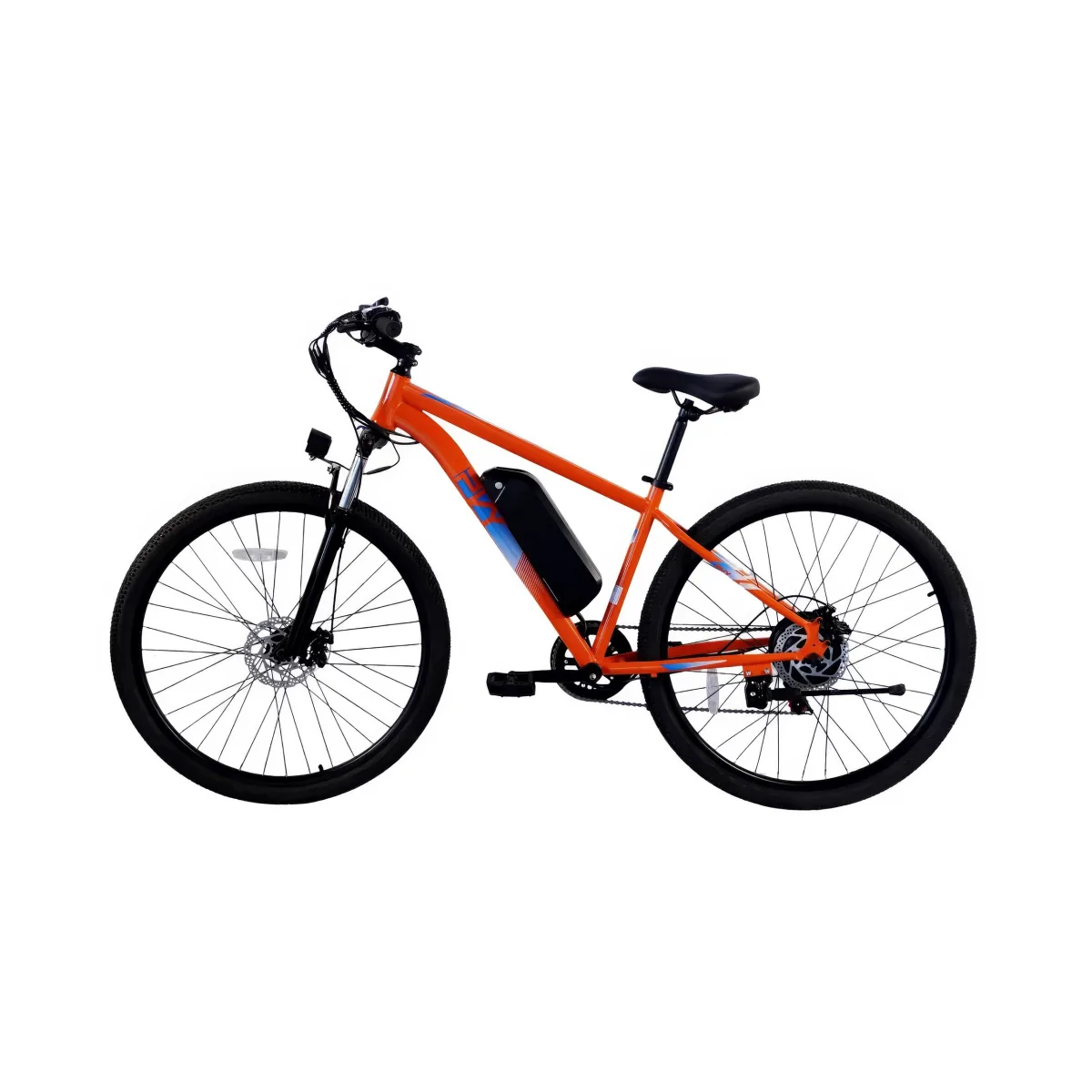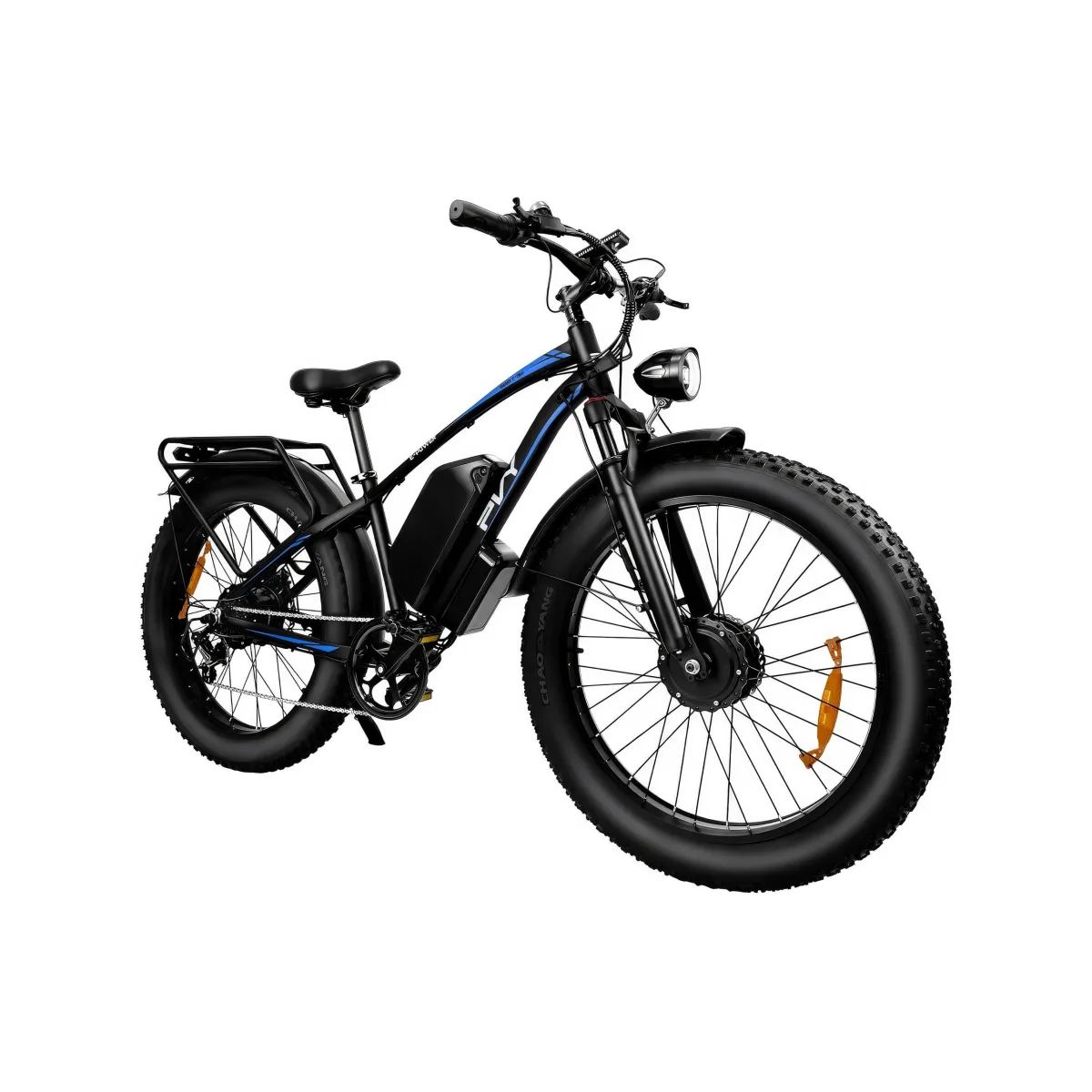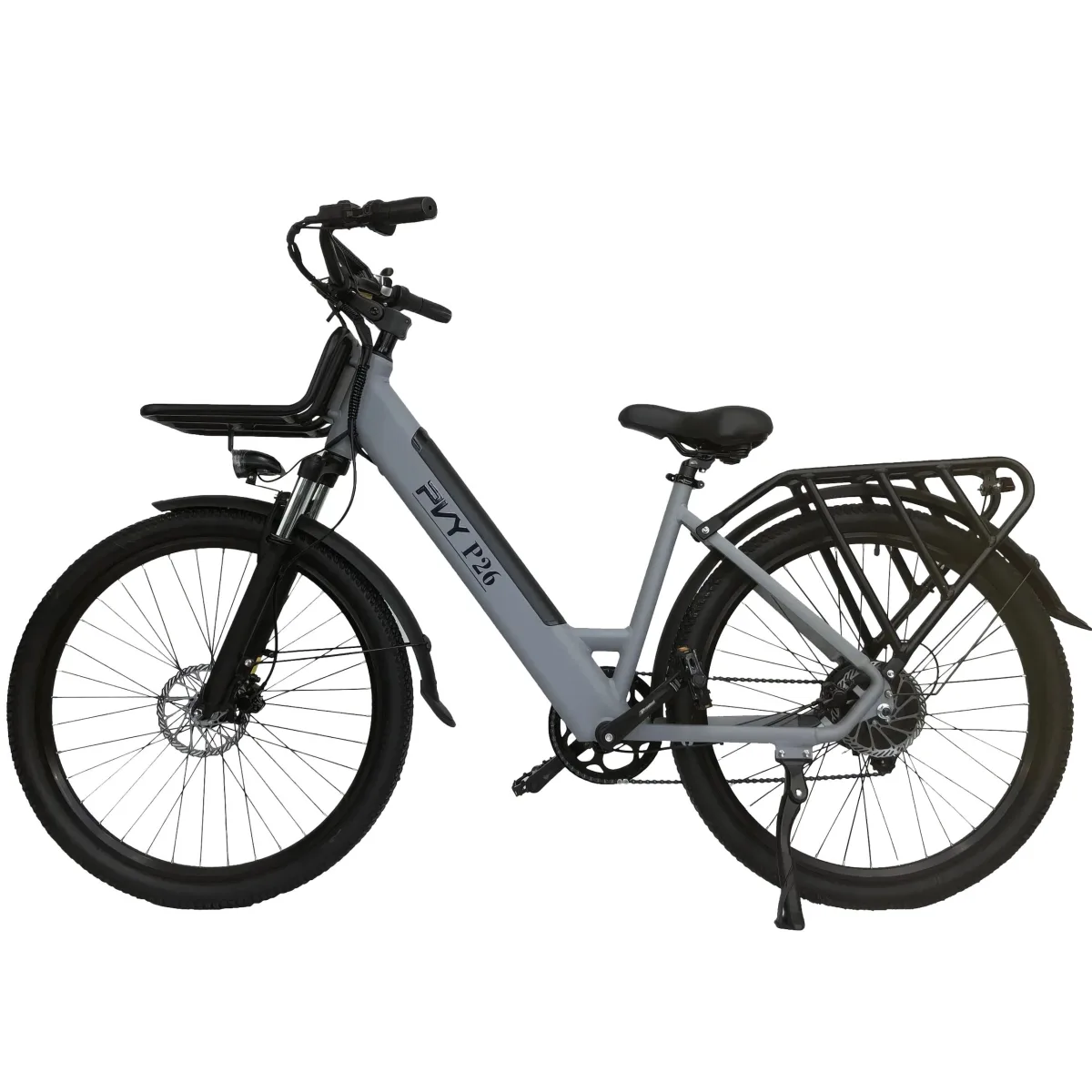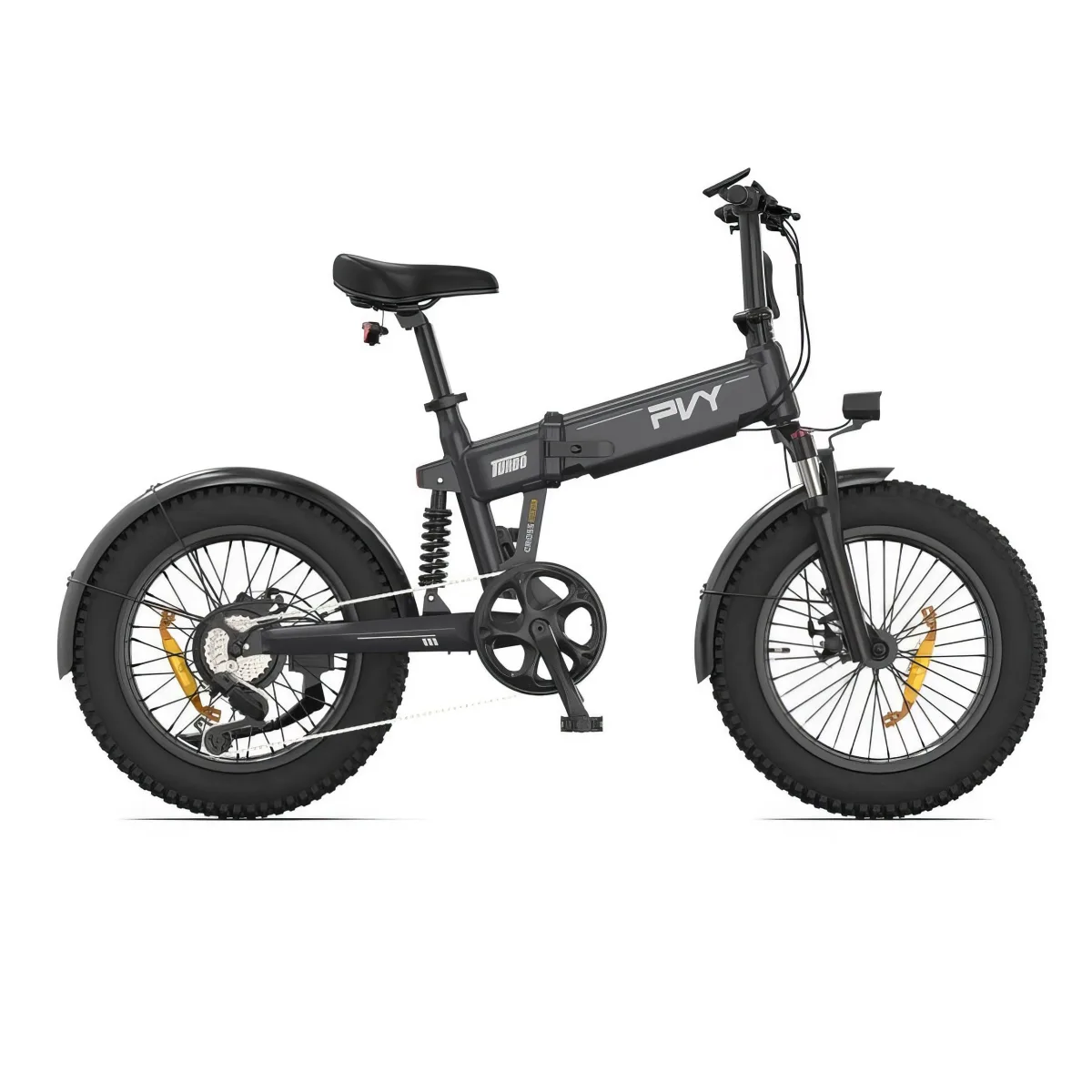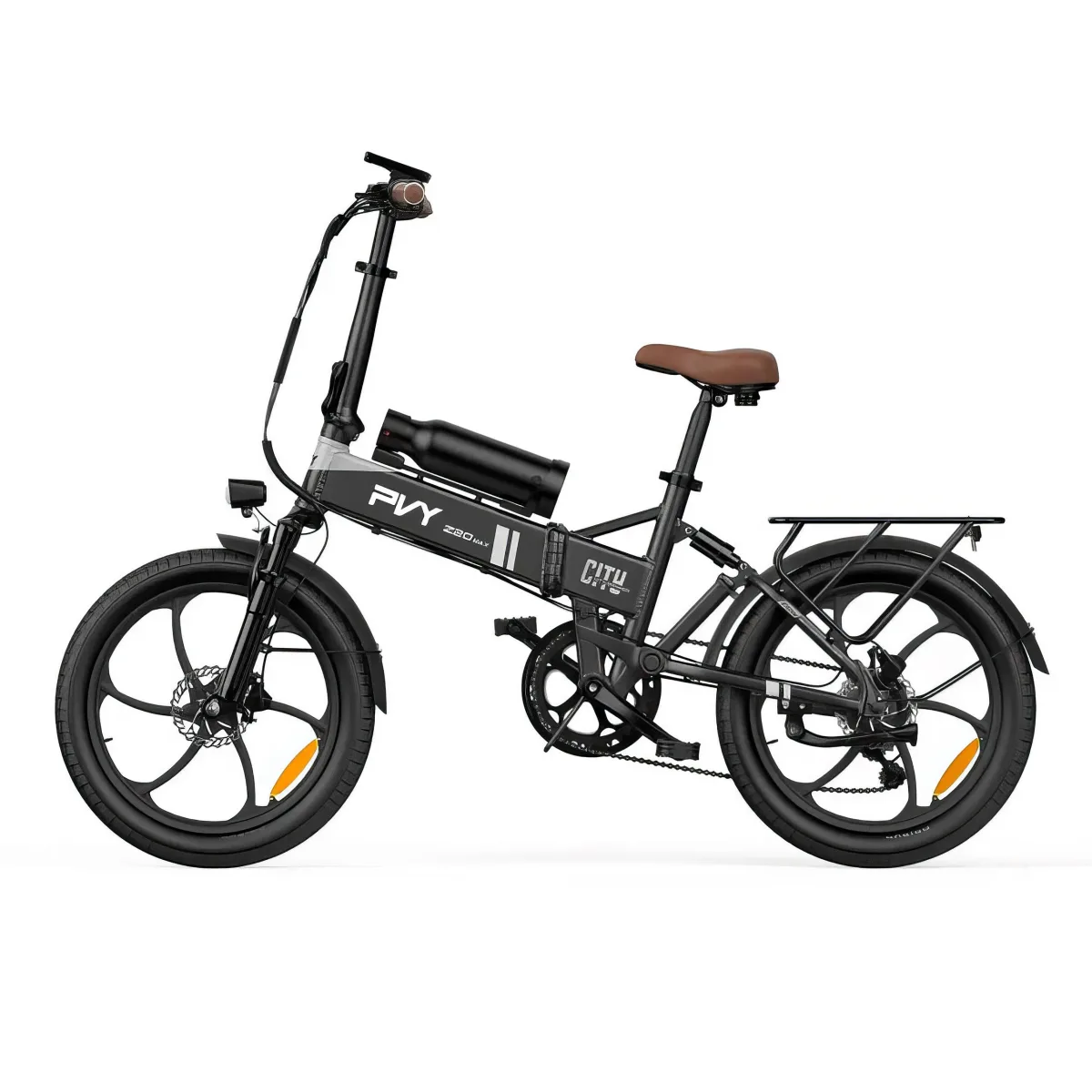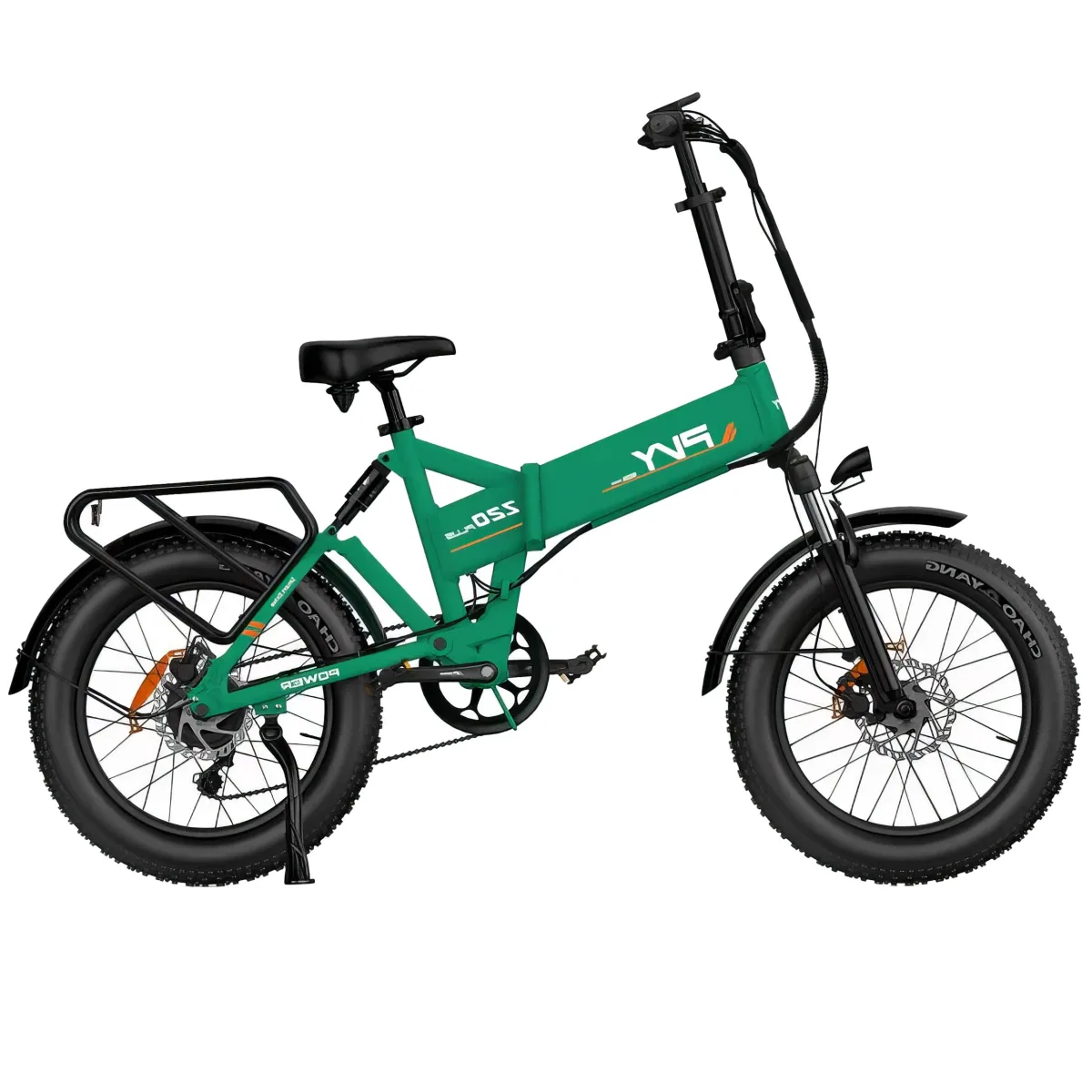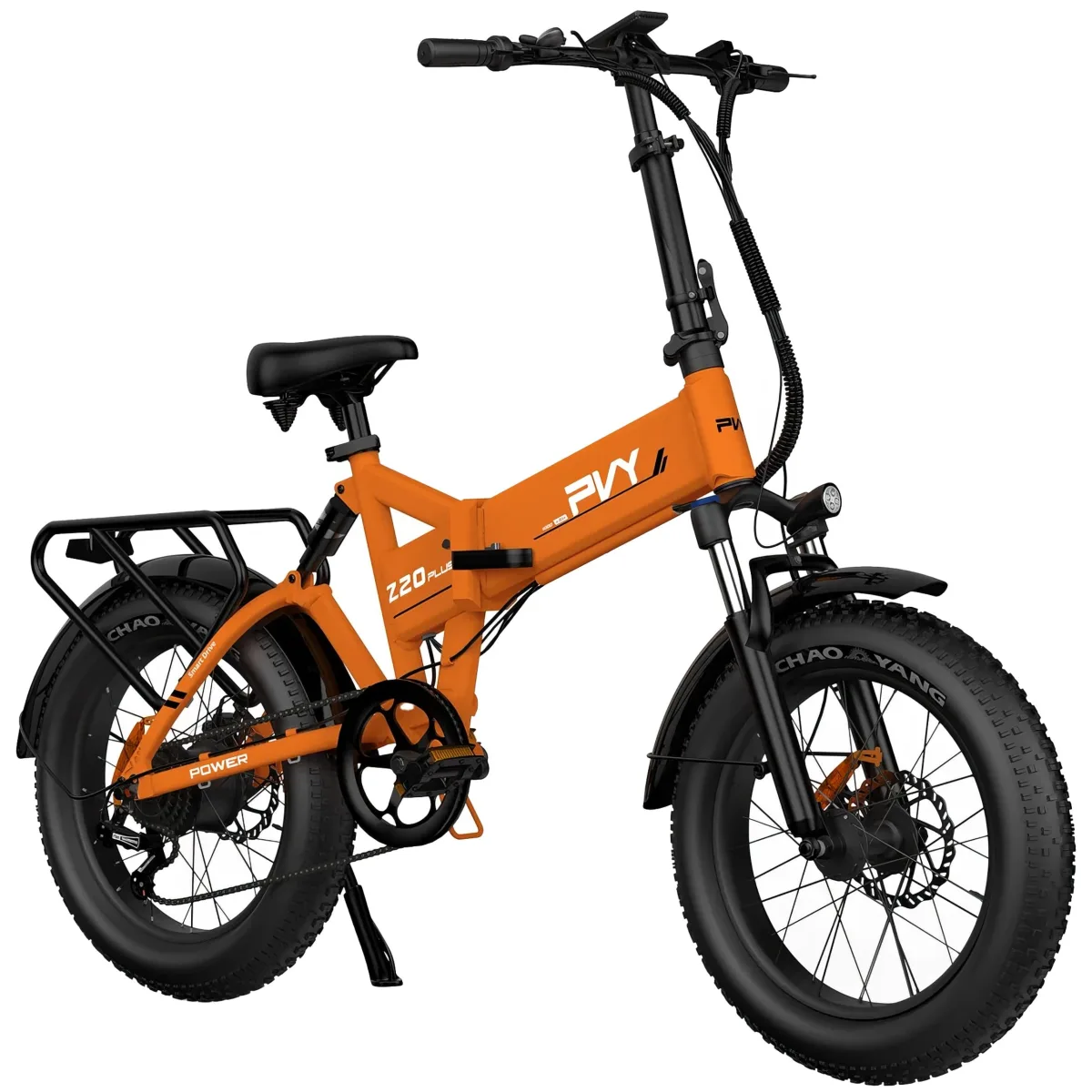
The three tests that make a bike an EAPC
Government guidance is short and specific. A bike qualifies as an EAPC only if it meets all three of these:
- Pedals that propel it. The pedals have to actually drive the bike, not just turn a crank that does nothing.
- 250 W maximum continuous rated power. Not peak power, not a short burst figure — the continuous rating of the motor.
- Assistance cuts out at 15.5 mph. Above that speed the motor must not be able to drive the bike at all.
| Requirement | What the law says |
|---|---|
| Pedals | Fitted with pedals that can propel the bike. More than two wheels is fine — a tricycle can be an EAPC. |
| Motor power | Continuous rated output of no more than 250 watts. |
| Speed | No assistance above 15.5 mph, and the motor must not be able to propel the bike faster than that. |
| Rider age | 14 or over. |
| Markings | Continuous rated power and the manufacturer's name, plus either the battery voltage or the maximum speed the motor can propel the bike. |
That last row catches people out. A bike can be mechanically within the limits and still fail the check if the motor is not marked. If you are buying second-hand, look at the motor housing before you hand over money.
What you get for meeting them
An EAPC is not a motor vehicle, so the usual vehicle paperwork does not apply. You do not need a driving licence to ride one, it does not need to be registered with the DVLA, it is not taxed and you are not required to insure it.
You can ride it on cycle paths, in cycle lanes and anywhere else pedal cycles are allowed. You cannot ride it on the pavement — that is true of every bike, electric or not.
Insurance is optional rather than compulsory, and worth pricing anyway: it is the theft and third-party cover that matters, not the legal requirement. Northern Ireland works to the same 250 W and 15.5 mph limits, and riders there also need no licence, registration or tax.
When an e-bike is not an EAPC
If the bike fails any of the three tests, the law classes it as a motorcycle or moped. Government guidance names the specific failures:
- the motor can propel it at more than 15.5 mph
- the continuous rated power is above 250 W
- it has no pedals that can propel it
The consequences are not cosmetic. A bike in that class has to be registered, taxed and insured, the rider needs a licence and a motorcycle helmet, and it can only be used on the road — not on cycle tracks or cycle lanes. If it has not been through vehicle approval, that is a separate problem again.
This is not a technicality to be waved through. We sell fast machines, and some of them are 750 W or more with top speeds well over 15.5 mph. Those are for private land with the landowner's permission, or for registered road use — they are not EAPCs and no retailer can make them one by writing "road legal" on a listing.
'Off road' modes, throttles and walk assist
Three grey areas that are less grey than the marketing suggests.
"Off road" mode
Some e-bikes hide a setting that raises the assisted speed above 15.5 mph. Government guidance is blunt: a bike with that feature does not, in its view, comply with the EAPC regulations and is treated as a motor vehicle. A switch you never use does not change what the bike is.
Twist and go
An e-bike that can be propelled up to 15.5 mph on the motor alone, without pedalling, needs vehicle approval — and it should have been done by the manufacturer or importer before sale. If it was, the bike carries a plate with the approval number. If it was not, you can apply for Motorcycle Single Vehicle Approval yourself.
Walk assist
A walk-assist function that will not push the bike above 3.7 mph sits outside type approval. It is there to help you wheel a loaded bike up a ramp, not to ride it.
How to check a bike before you buy
Four things, in this order. Read the motor rating in the spec and make sure it says 250 W continuous, not 250 W nominal with a 500 W peak. Check the stated top speed — 15.5 mph, not "15.5 mph restricted, 28 mph unlocked". Confirm it has pedals that drive the bike. Then check the motor is marked with its power and the manufacturer.
Our own listings spell this out. The Engwe P275 SE commuter bike is a 250 W motor with a 15.5 mph top speed and a 62 mile range. The Hitway BK19 is the same 250 W and 15.5 mph, at 20 kg, which is the sort of weight that makes a difference if you are carrying it up steps or lifting it onto a train. You can see the full range of legal EAPCs in the e-bikes shop, and every listing there carries the motor rating and top speed in the spec table.
Cycle to Work only works on an EAPC
The Cycle to Work scheme is built on the EAPC definition: it covers e-bikes that are legal EAPCs, because the scheme is structured around cycles. A 750 W machine with a 30 mph top speed is not eligible, however it is described in the advert. If you are buying through your employer's scheme, read Cycle to Work at Aero Sporty before you pick a model — it is much less painful to check the certificate first than to argue about it afterwards.
If the law around e-bikes, e-scooters and mobility scooters blurs for you, the honest summary is that they are three completely different sets of rules. Privately owned e-scooters are not legal on public roads, cycle lanes or pavements at all. Mobility scooters split into Class 2 and Class 3, covered under choosing a mobility scooter. An EAPC sits in the happiest position of the three: it is a bicycle.