How the thing actually works
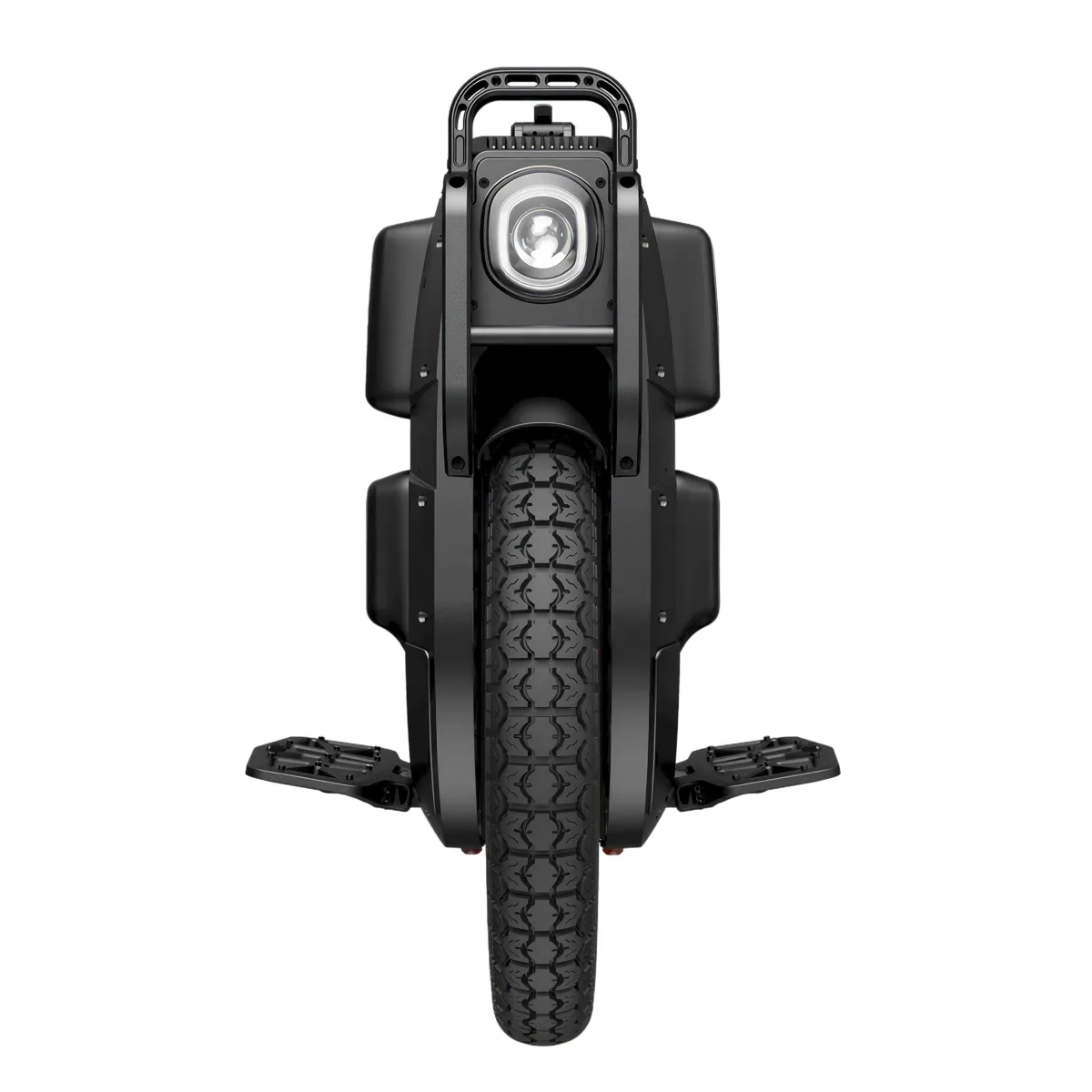
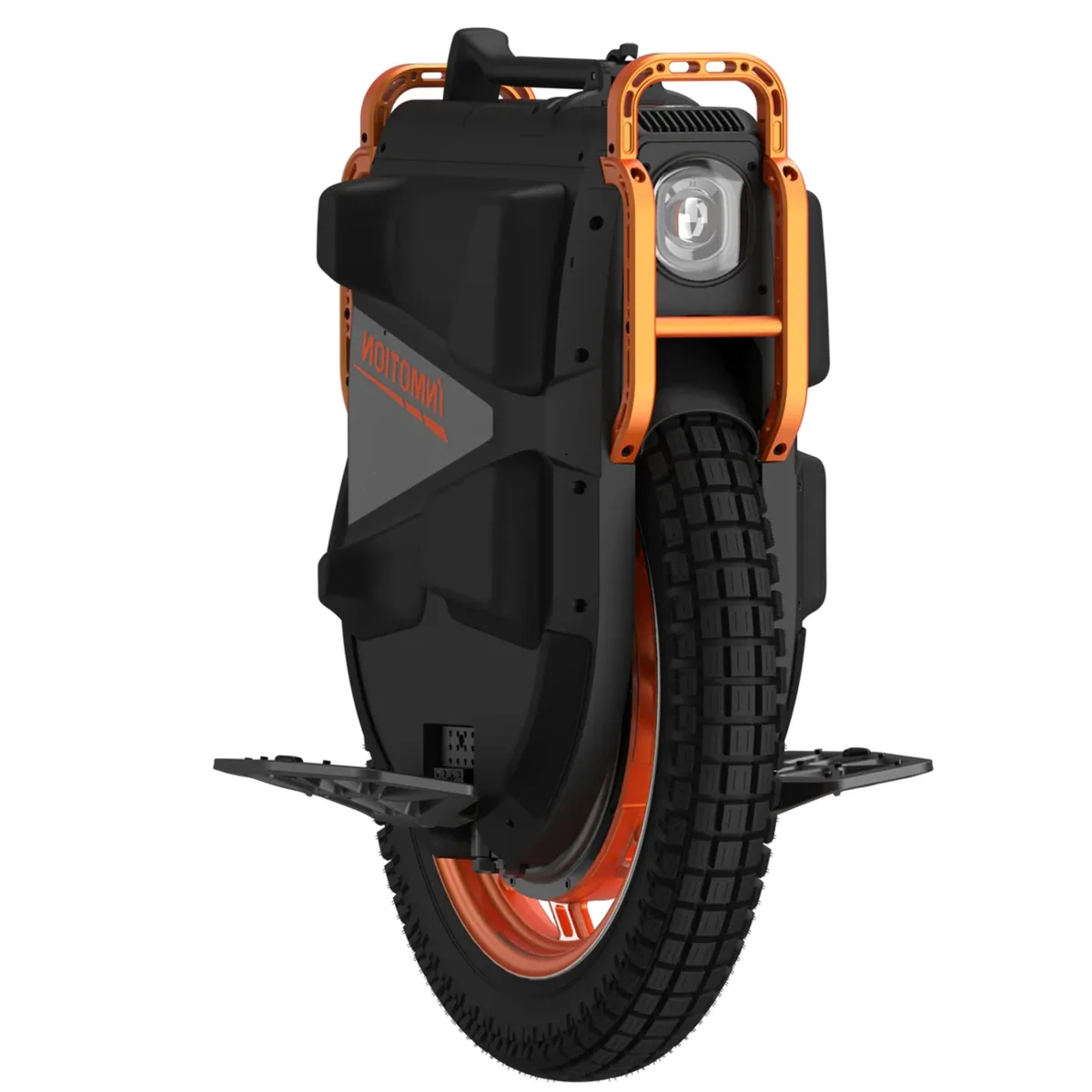
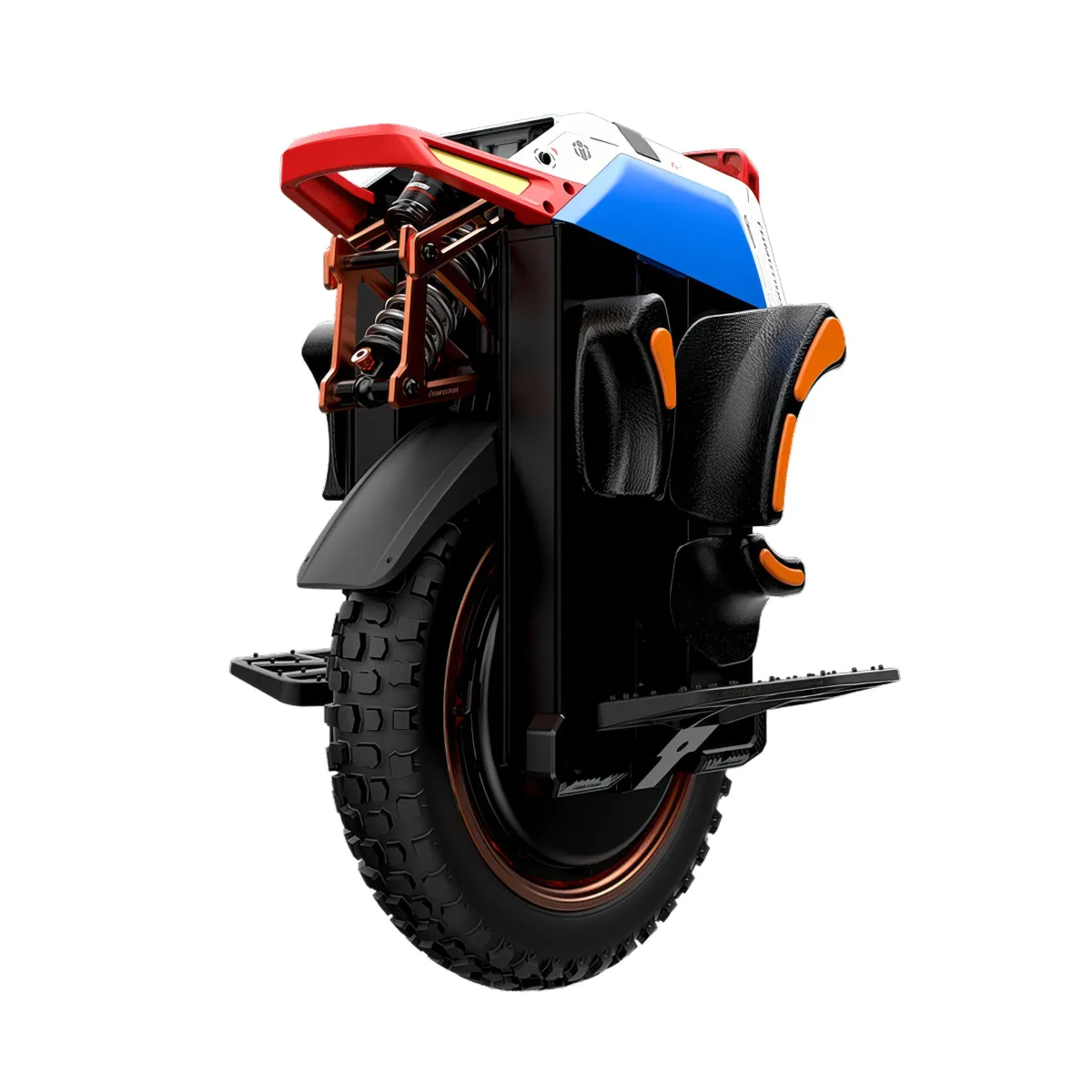
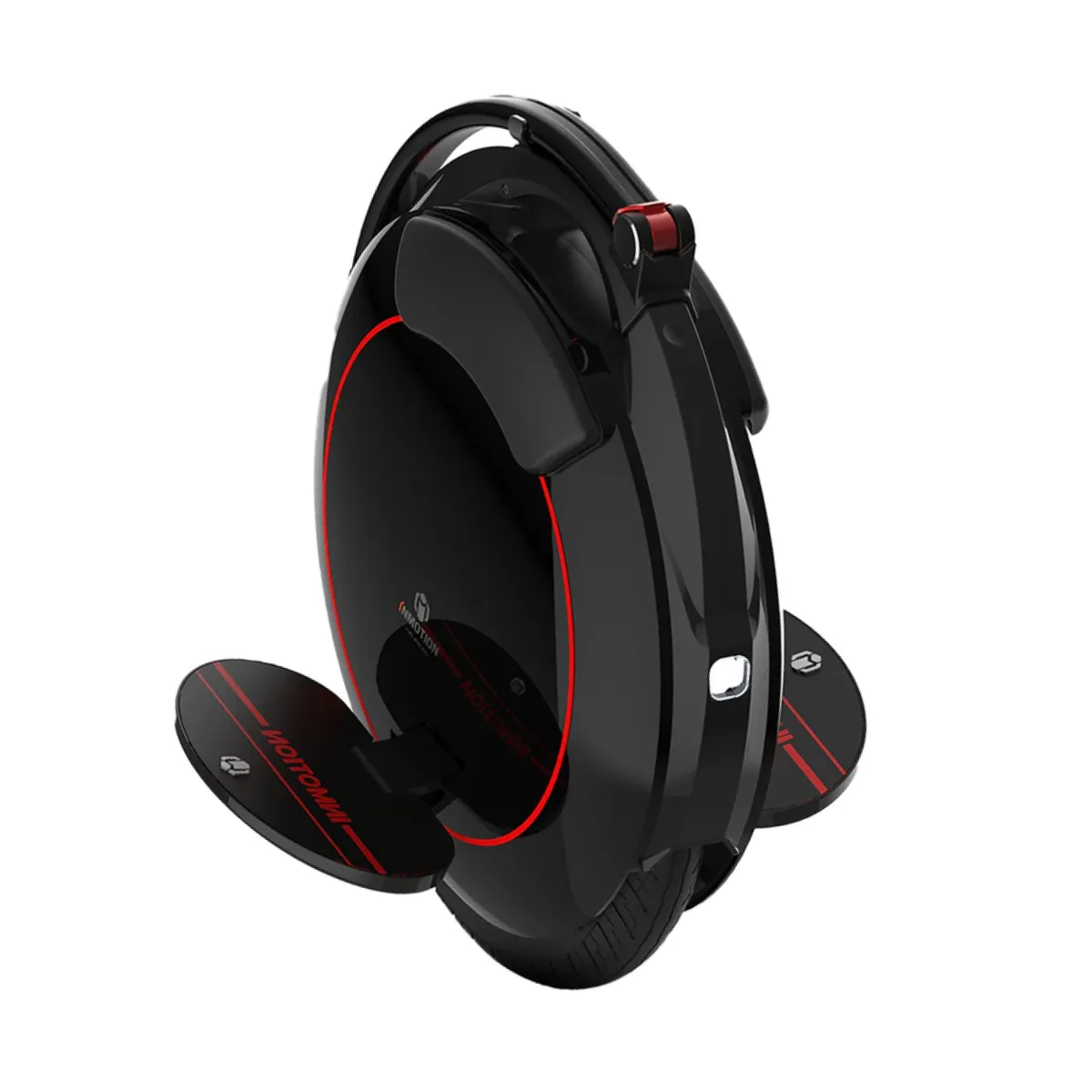
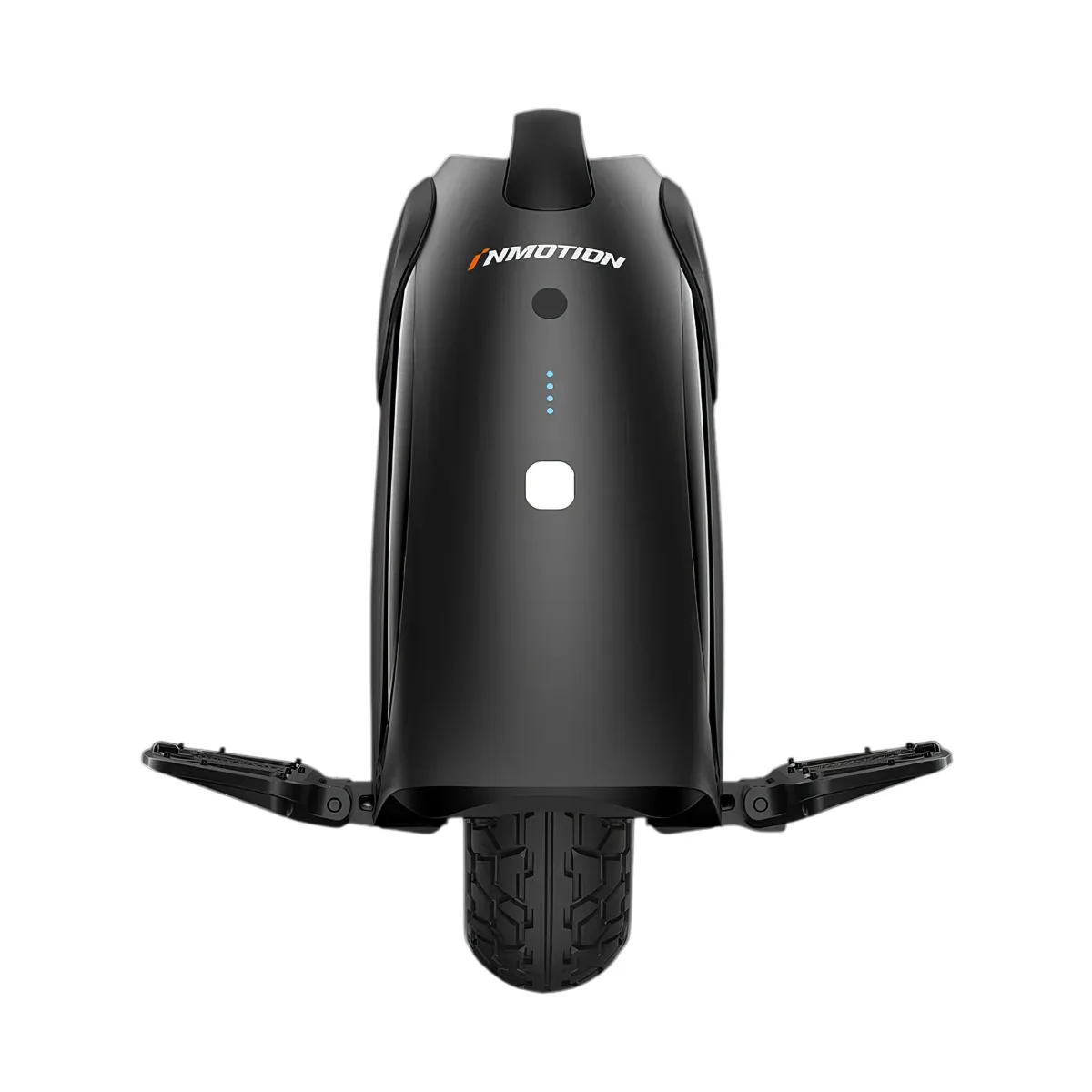
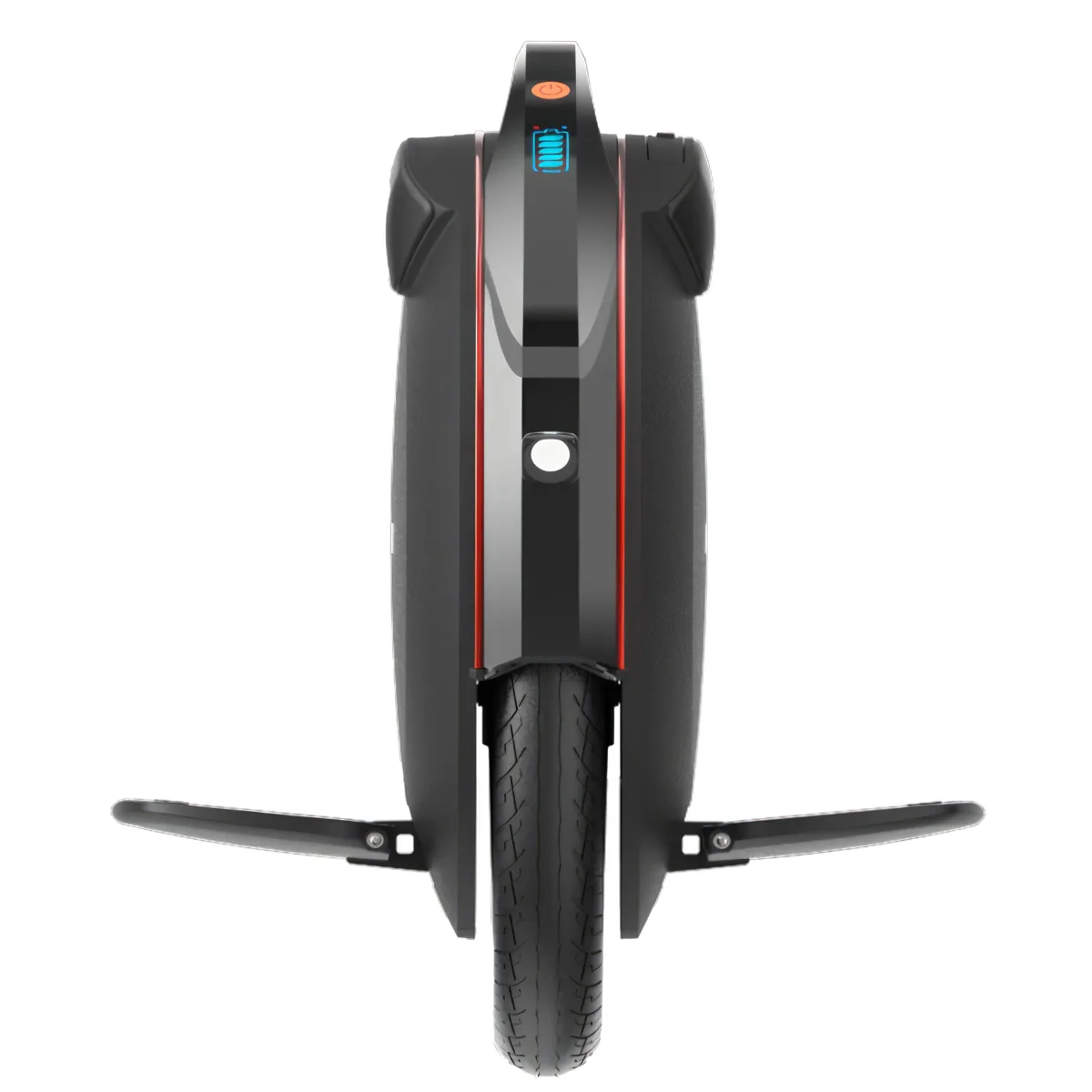
The motor sits inside the wheel hub, so there is no chain, belt or gearbox to wear out. A control board continuously reads gyroscopes and accelerometers and drives the motor to keep the wheel underneath your centre of gravity. Lean forward and it accelerates. Lean back and it slows. Twist your hips and it turns. Your weight is the entire control interface.
That is why an EUC feels impossible for the first ten minutes and obvious after a week. You are not steering a machine, you are balancing on one wheel that is busy balancing you.
The spec sheet in plain English
Four numbers decide whether a wheel suits you, and a fifth decides whether you can live with it.
- Motor power in watts. The headline figure is the continuous rating; a peak figure in brackets is a short burst for hills and acceleration. More watts means more torque for a heavier rider or a steeper climb — not automatically more top speed.
- Battery: voltage and Ah. Voltage sets the ceiling on how fast the motor can spin; amp-hours set how much energy is stored, and so how far you go. Read them together. A high-voltage pack with a small Ah figure is quick but not long-legged.
- Rated range. The manufacturer's best case, measured with a light rider at a steady pace. Expect less with a heavy rider, cold weather, hills, headwind or a fast right hand.
- Weight. The number that decides whether you can carry it up stairs, lift it into a boot or wheel it through a station. Small learner wheels come in around 13 kg; the big performance machines reach 45 kg.
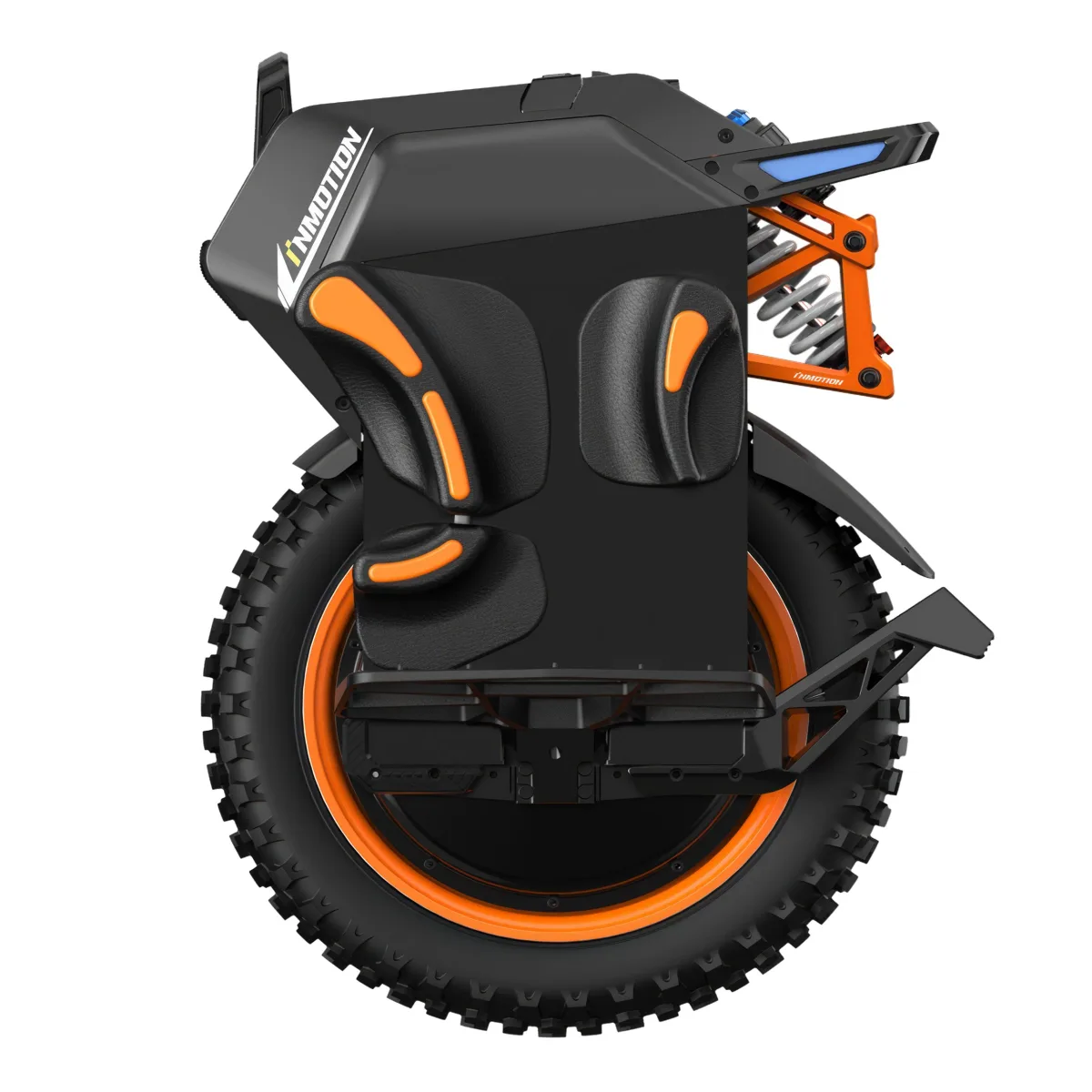
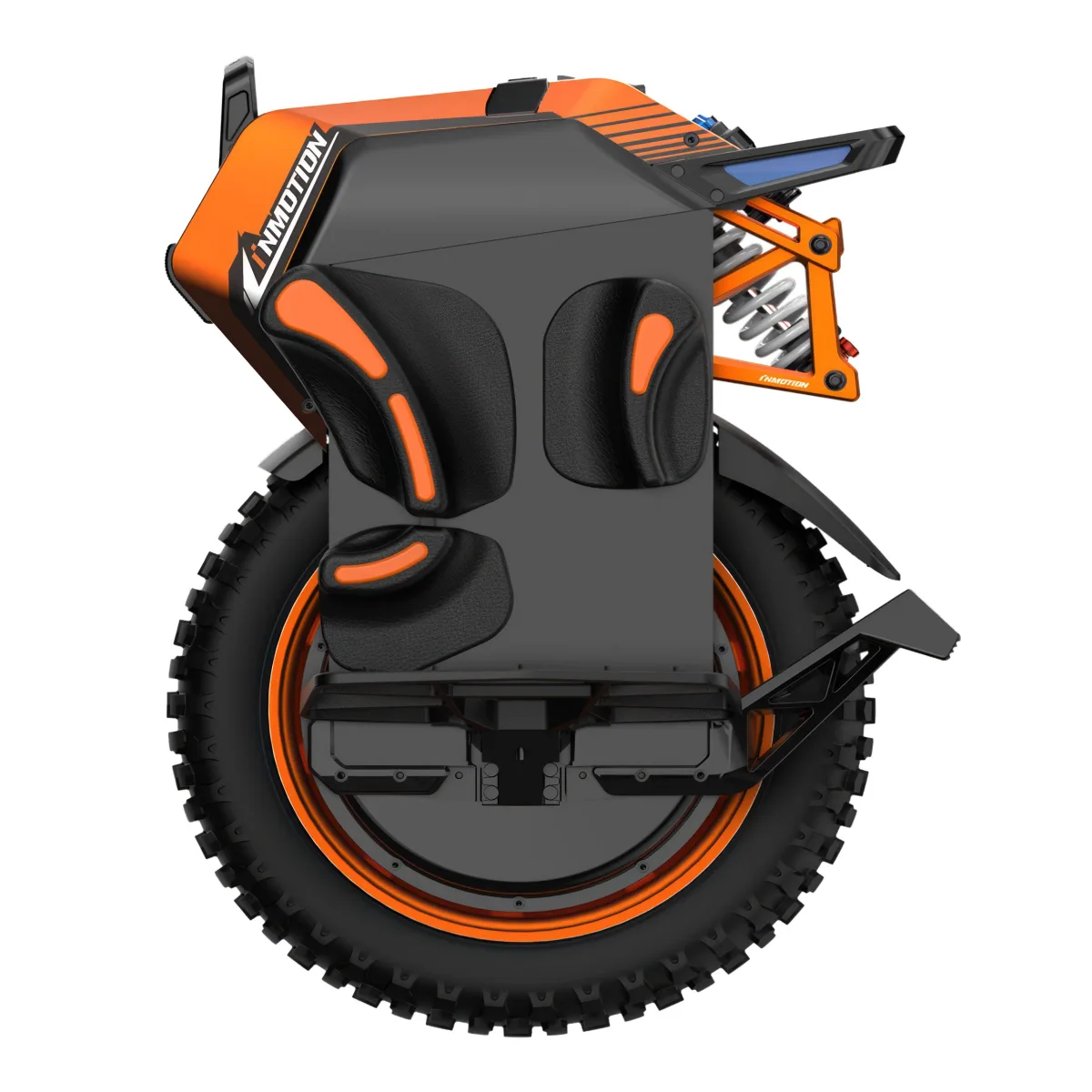
- Tyre and suspension. Street or off-road tread, and whether there is a spring or air shock. Suspension is what keeps a small wheel comfortable on British tarmac and worse.
What an EUC is not
It is not an e-bike. An e-bike is road legal only as an EAPC, and an EAPC needs pedals. A unicycle has none, so no motor rating, speed limit or ride mode turns one into the other. The EAPC definition is the test worth understanding before you buy anything with a motor and a battery.
It is not an e-scooter either. A scooter has two wheels, a deck and handlebars with a throttle or thumb control. An EUC has a single wheel, footplates and nothing to hold. That difference is why unicycles sit outside the government's rental e-scooter trials, which are written around two-wheeled machines with handlebars.
Where you can ride one in the UK
Private land, with the landowner's permission. That is the whole list. A privately owned EUC counts as a powered transporter, and so as a motor vehicle, and it cannot be type approved, registered, taxed or insured for road use. Public roads, pavements, cycle lanes, footpaths, bridleways and open country parks are all out, whether or not you own the land. Our questions page sets out the full legal position, the access test and what happens if you ignore it.
Which wheel suits which rider
The honest starting point is weight, terrain and whether you have to carry the thing. Three broad groups cover most buyers.
- Learning and short trips. Small, light wheels around 12 to 19 kg, with modest power and a range measured in a handful of miles. The Begode Mten Mini, Mten4 and Mten5 and the A1 and A2 sit here — slow enough that a mistake is not expensive, light enough to pick up one-handed.
- Everyday riding. Suspension, a bigger battery and enough torque for a heavy rider. The Begode Falcon, Falcon Pro and A5 are the middle of the range, and Kingsong's S series is the alternative view of the same job.
- Performance and off-road. Large wheels, high voltage, 30 kg and up. The Begode Master and ET Max, the EX30 and Blitz, the Kingsong F series, and the Leaperkim and InMotion models. These are specialist machines — fast, heavy and unforgiving of a bad habit.
Browse the whole range at electric unicycles, or go straight to a brand: Begode, Kingsong, InMotion and Leaperkim. If you are still at the deciding stage, our guide to choosing your first electric unicycle walks through the fit questions in order.
Before you commit
- Where will it live? A second-floor flat with no lift rules out a 40 kg wheel, whatever the spec sheet says.
- Where will you actually ride it? Private land with permission is the legal answer, so a field, a farm track or a private yard beats a fantasy commute.
- What will you wear? A helmet and wrist protection are not optional on a single wheel; a fall puts your hands out first.
- What happens if it goes wrong? Every new machine carries at least a 12-month manufacturer warranty, and we handle the claim with the manufacturer. Refurbished units carry 3 to 6 months, stated on the product page.
Buying one from Aero Sporty
Delivery is a flat £45 per order to any UK address, including the Highlands and Islands, Northern Ireland, the Isle of Man, the Isles of Scilly and the Channel Islands, in 3 to 7 working days, with a tracking link emailed when it ships. Pay by Revolut or UK bank transfer — the details are emailed after you order and nothing is charged automatically. You have 14 days to cancel for a full refund including delivery, and up to 30 days to return a change of mind. Cycle to Work does not apply to EUCs; it covers legal EAPC e-bikes only, which is explained on support.
If you are not sure which wheel fits your weight, your ground and your boot, ring or message us before you buy. Talking someone out of the wrong machine is cheaper for both of us.