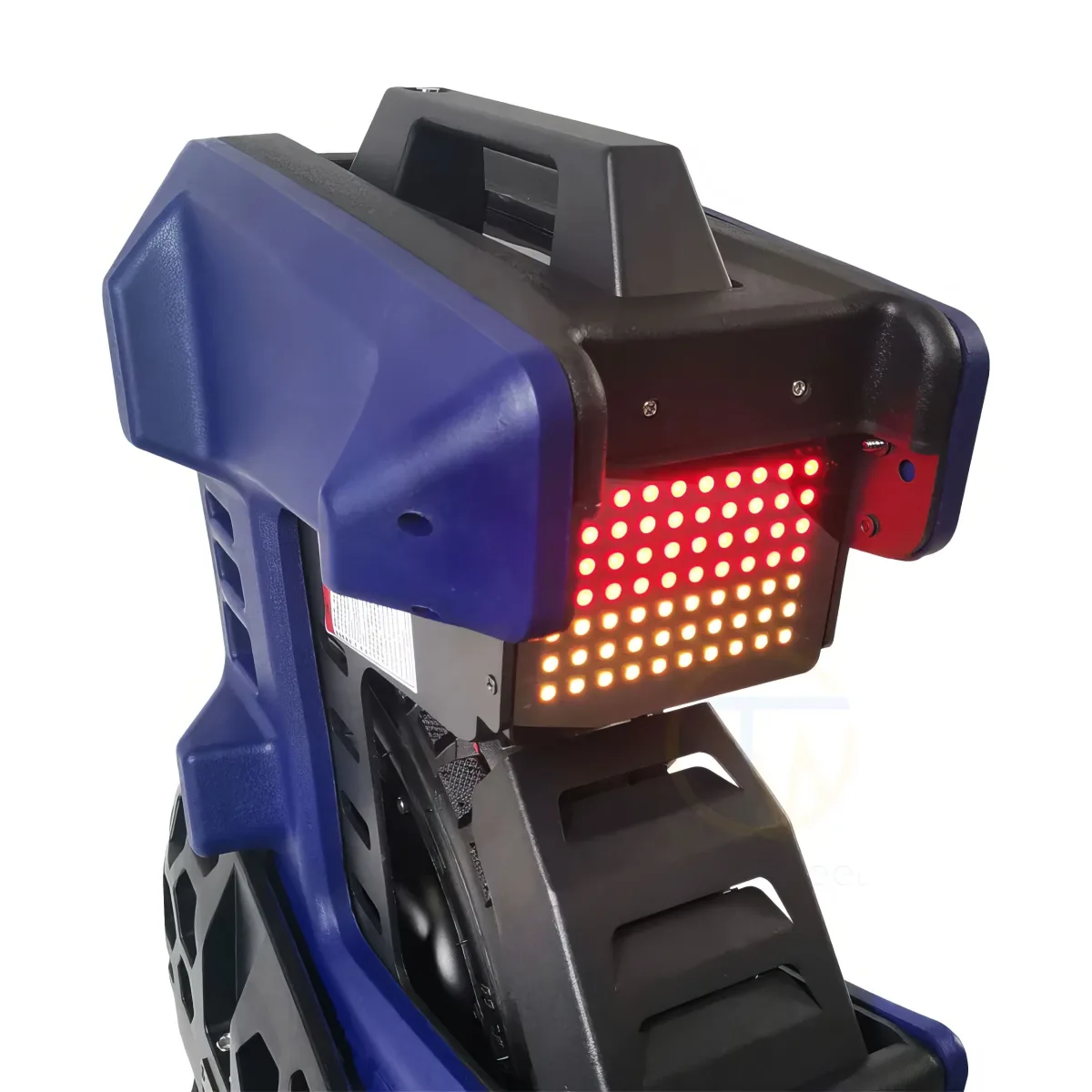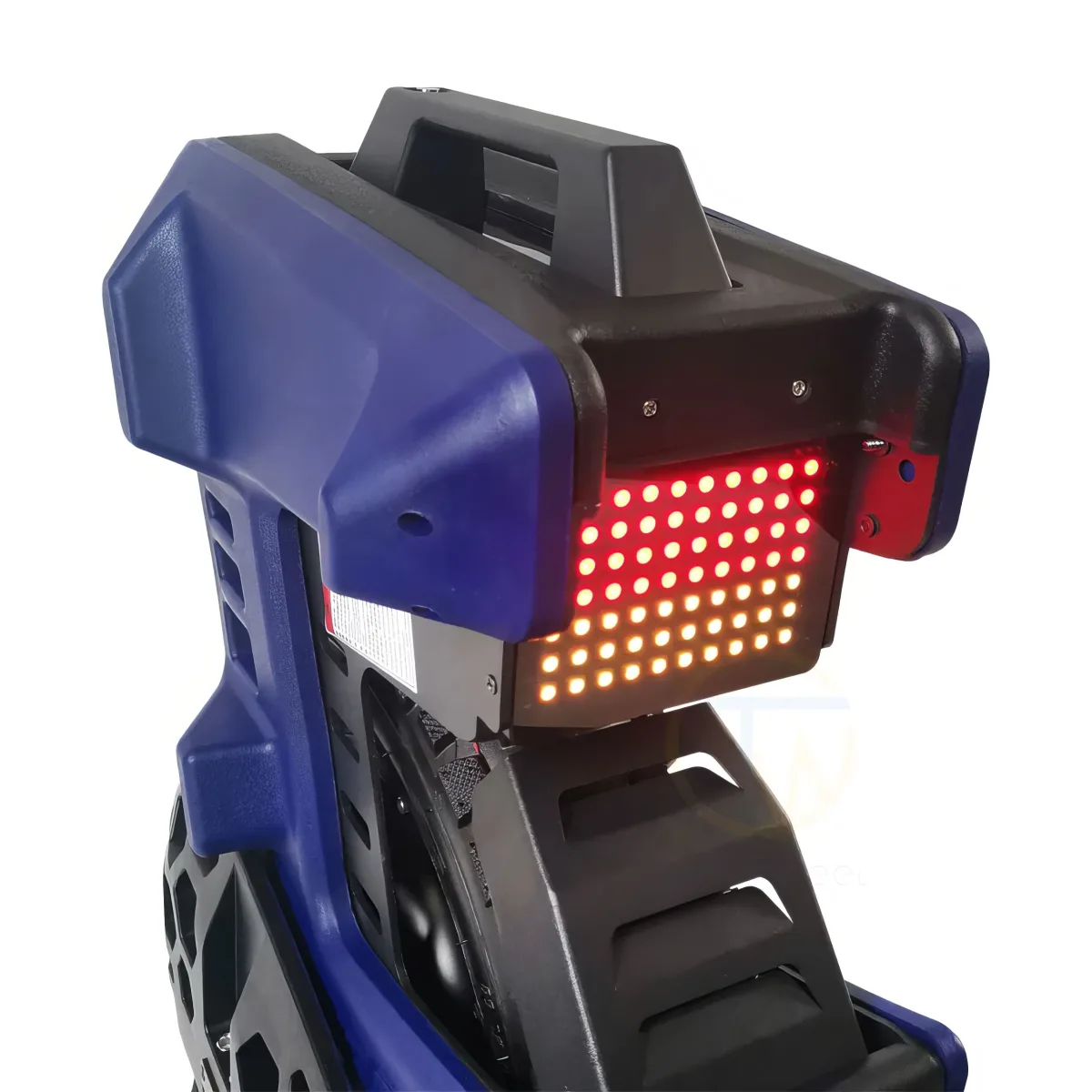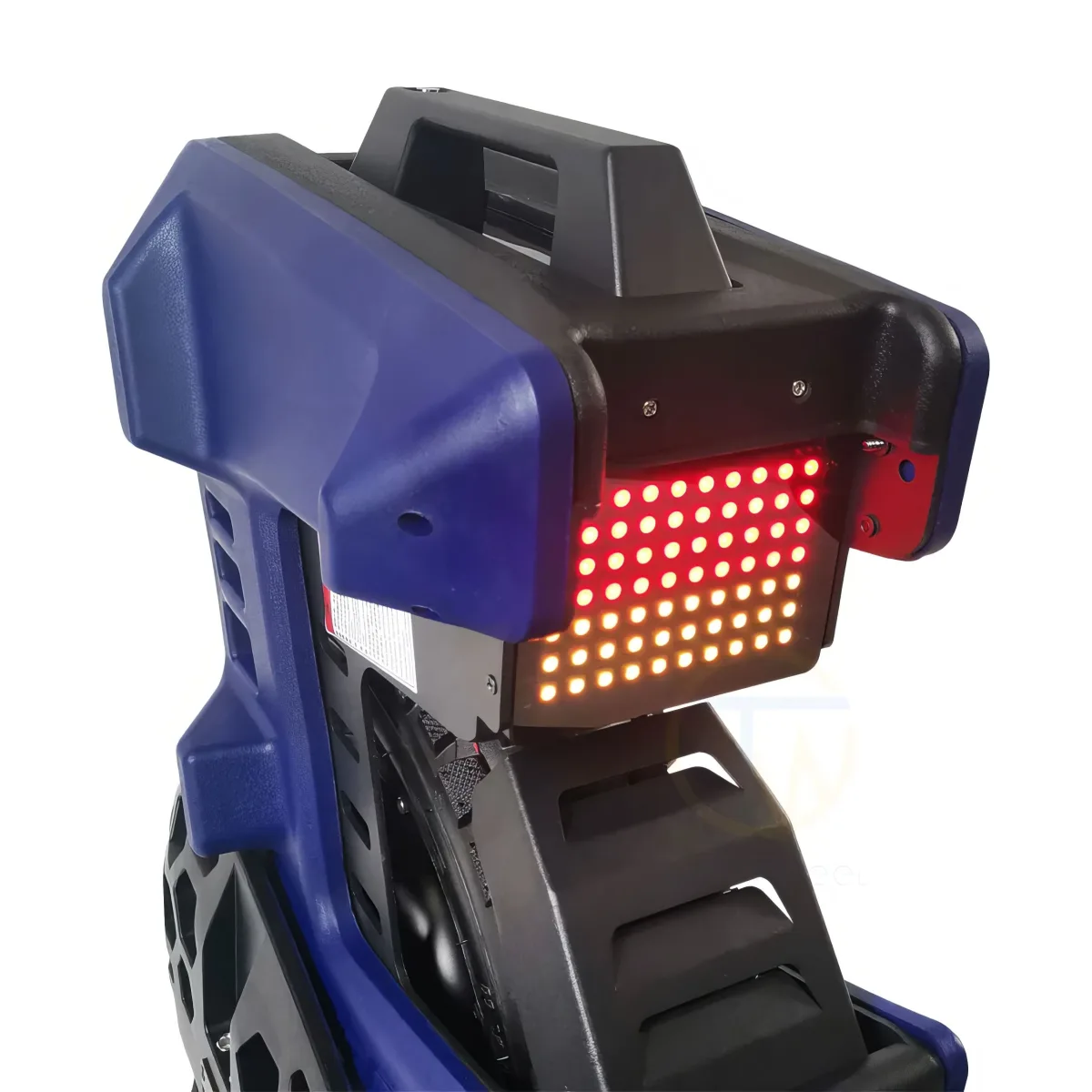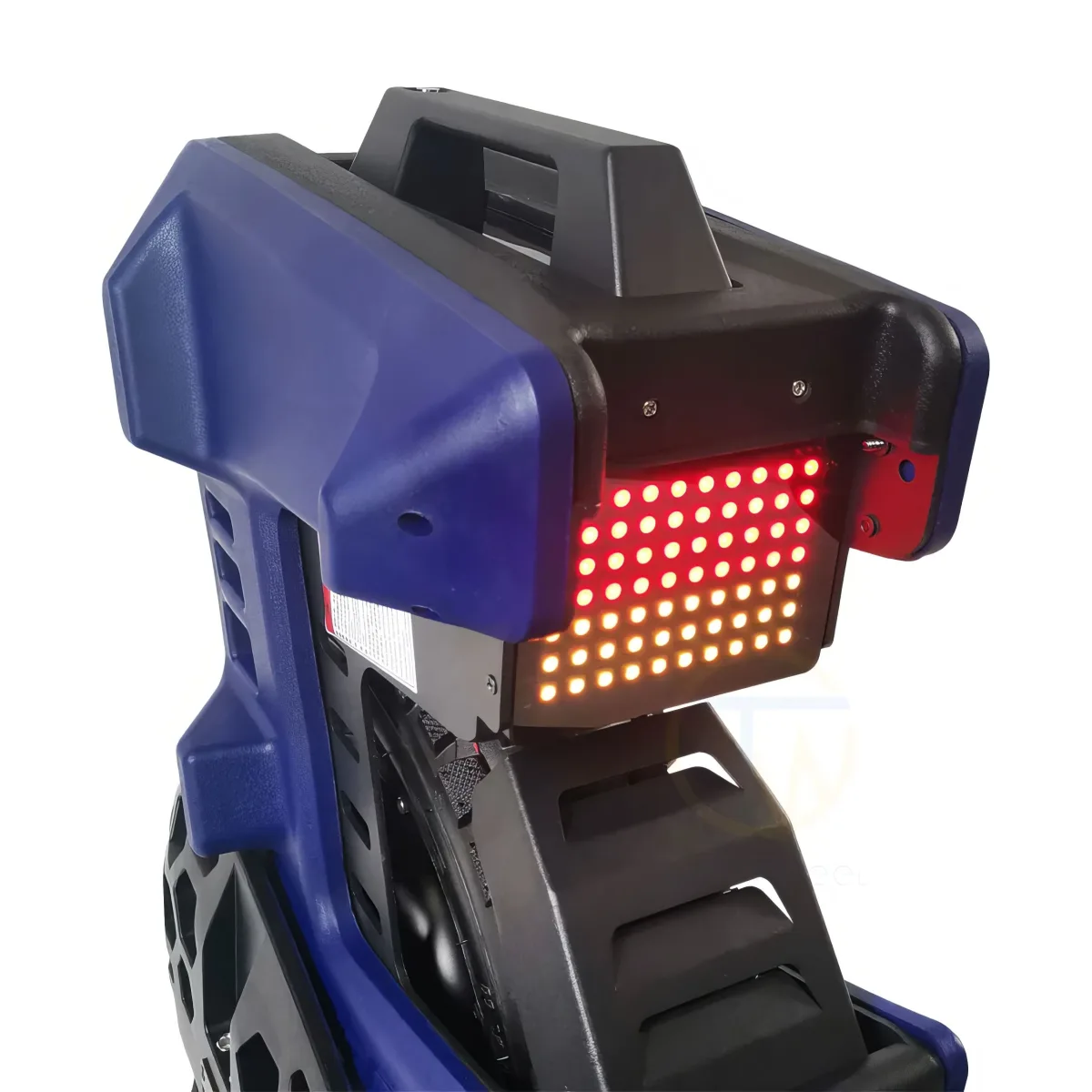
What PWM actually measures
A controller does not hand the motor a smooth voltage. It switches the battery supply on and off thousands of times a second, and the proportion of each instant that it stays on is the duty cycle. That is pulse-width modulation, and the PWM figure on an EUC screen or app is that duty cycle expressed as a percentage.
0% means the controller is driving nothing. 100% means the full pack voltage is applied for every instant of every cycle, so the motor is turning as fast as that battery can turn it under the load it is carrying. It is not a speed and not a temperature. It is how much of the machine you are using.
Why a rising figure is a warning
A single wheel stays upright by accelerating underneath you. Every correction it makes, every gust, every wobble, every patch of gravel, is the motor producing torque on demand. Torque needs headroom.
At low duty cycle there is voltage in reserve, and the controller can push harder when it has to. As PWM climbs towards 100% that reserve drains away. At the top of the range the motor cannot spin any faster, so the wheel cannot accelerate to catch you, and a forward lean that should have been corrected becomes a cutout. The pedals drop, the wheel is suddenly free and the rider goes over the front. That is the mechanism behind most EUC crashes, and PWM is the gauge that tells you it is coming.
Read it the way a pilot reads altitude: the number is not the problem, running out of it is.
What pushes the number up
- Speed. The most direct input. Hold a given speed and the duty cycle rises as you approach the motor's ceiling for that pack voltage.
- Hills and headwind. Both add load, and load at speed is what eats the margin.
- All-up weight. A heavier rider, a loaded backpack or a big machine with a small motor needs more torque for the same result.
- Battery state and voltage sag. A part-used pack drops its voltage under load, so 100% duty cycle arrives at a lower road speed than it did on a full charge. Cold weather makes the sag worse. That is why a wheel feels punchy at 90% charge and flat at 30%.
- Acceleration. A hard handful asks for everything at once, and the figure spikes before the speed does.
- Tyre pressure. A soft tyre adds rolling drag and takes a little off the top.
Beeps, tiltback and alarms
Every modern wheel warns you before the limit, in a fixed order. The buzzer sounds first, at a set duty cycle. Push further and tiltback lifts the front of the pedals, which tips you back and slows you whether you intended it or not.
On most machines both thresholds are adjustable in the manufacturer's app or a third-party app, and they typically rise with speed rather than sitting at one fixed number. Set your first alarm below the factory default if the app allows it. Do not ride with the buzzer muted or tiltback switched off, whatever a forum thread says about unlocking the wheel. And do not rely on hearing: wind, traffic and a full-face helmet swallow a beep, so watch the figure when you are pressing on and feel for the pedals tilting.
Riding with margin in hand
Pick a ceiling well under the alarm and keep it as a habit rather than a decision on the day. Around 80% is a sensible working limit on most wheels and leaves a fifth of the range in reserve for the hill you did not see. Ease off before the beep, not after it, and back off earlier on a cold morning or a part-flat battery, when the same speed costs more duty cycle than it did yesterday.
If you want the number in front of you, check your wheel's app: duty cycle, PWM and power percentage are usually names for the same reading.
It is a gauge, not a licence
PWM tells you how hard the machine is working. It says nothing about whether you may be there. In the UK a privately owned electric unicycle is a powered transporter and therefore a motor vehicle, and it cannot be type approved, registered or insured for road use. Public roads, pavements, cycle lanes, footpaths and bridleways are all out; the only place to ride is private land with the landowner's permission. A low reading on a pavement is still an offence.
Which wheels give you more margin
Headroom is bought with motor rating, pack voltage and battery size, which is why the same road speed sits at a very different duty cycle on different machines. A learner wheel such as the Begode Mten Mini or Mten5, or the InMotion V5F and V6, is honest about its limits: keep it under its alarm and it will look after you. The Begode Falcon's 1,500W continuous, 2,800W peak motor carries real reserve at the same pace, and the big machines — Master4, EX30, ET Max, Panther, Blitz, the InMotion V13 Pro and V14 — have the deepest margin of all, along with the speeds and weights that use it up fastest.
Browse the full range at electric unicycles, or go straight to a brand: Begode, Kingsong, InMotion and Leaperkim. If you are still deciding, tell us your weight, the ground you ride on and how far you need to go. Those fit questions matter more than the headline wattage.
Buying one from Aero Sporty
Delivery is a flat £45 per order to any UK address, including the Highlands and Islands, Northern Ireland, the Isle of Man, the Isles of Scilly and the Channel Islands, in 3 to 7 working days with a tracking link emailed on dispatch. Every new machine carries at least a 12-month manufacturer warranty; refurbished units carry 3 to 6 months, stated on the product page. You have 14 days to cancel for a full refund including delivery, and up to 30 days to return a change of mind — the detail is on returns and refunds. Payment is by Revolut or UK bank transfer, emailed after you order, and nothing is charged automatically.
Unsure how much margin a wheel gives you at your weight? Ring or message before you buy. Talking someone out of the wrong machine is cheaper for both of us.