What the law actually says
A privately owned e-scooter counts as a motor vehicle under the Road Traffic Act 1988. That means it has to meet the same requirements as a car or a motorbike before it can be used on a public road: type approval, insurance, vehicle tax, registration, a driving licence and the right safety equipment. A scooter you buy from any retailer meets none of those, so riding one on a public road is a criminal offence, not a grey area.
Nothing has changed. The rules for private e-scooters are the same ones that applied before the rental trials began, and no new law has come in since.
Where you can and cannot ride
- Private land with the landowner's permission — legal. This is the only place a private e-scooter can be ridden.
- Public roads — illegal, because the machine cannot be insured, taxed or registered.
- Pavements and footpaths — illegal. Section 72 of the Highway Act 1835 covers pavements; section 34 of the Road Traffic Act 1988 covers footpaths.
- Cycle lanes and cycle tracks — illegal under section 21 of the Road Traffic Act 1988. E-bikes and mobility scooters are exempt from that ban. E-scooters are not.
- Public parks, car parks, industrial estates, canal towpaths, university campuses — all public places, so all off limits.
- Bridleways and restricted byways — illegal.
The test is access, not ownership. If the public can get in, it is not private land for this purpose. A farm track behind a locked gate is fine. A park with an open entrance is not, whoever owns it.
Rental scooters are a separate case
The government rental trials allow approved rental e-scooters, in the trial areas, ridden under the scheme's own terms and conditions. Those scooters are legal because the scheme covers them. A scooter bought from a shop is not part of any trial, and riding it on the same street is an offence. If you see rental scooters on the road in a city, that tells you something about the scheme, not about your machine.
What happens if you ride one illegally
You can be fined, given penalty points on your driving licence, and have the scooter seized. Because the machine is treated as an uninsured motor vehicle, the insurance side can follow you for years — a conviction for driving without insurance affects premiums long after the fine is paid. It is not a slap on the wrist, and it is not treated like a bicycle offence.
Is it illegal to buy or sell an e-scooter?
No. Owning one, selling one and buying one are all legal. The offence is using one on public land. That is why we sell them, and why we say plainly on every page what they are for: private land, with permission, and nowhere else.
Choosing one for private land
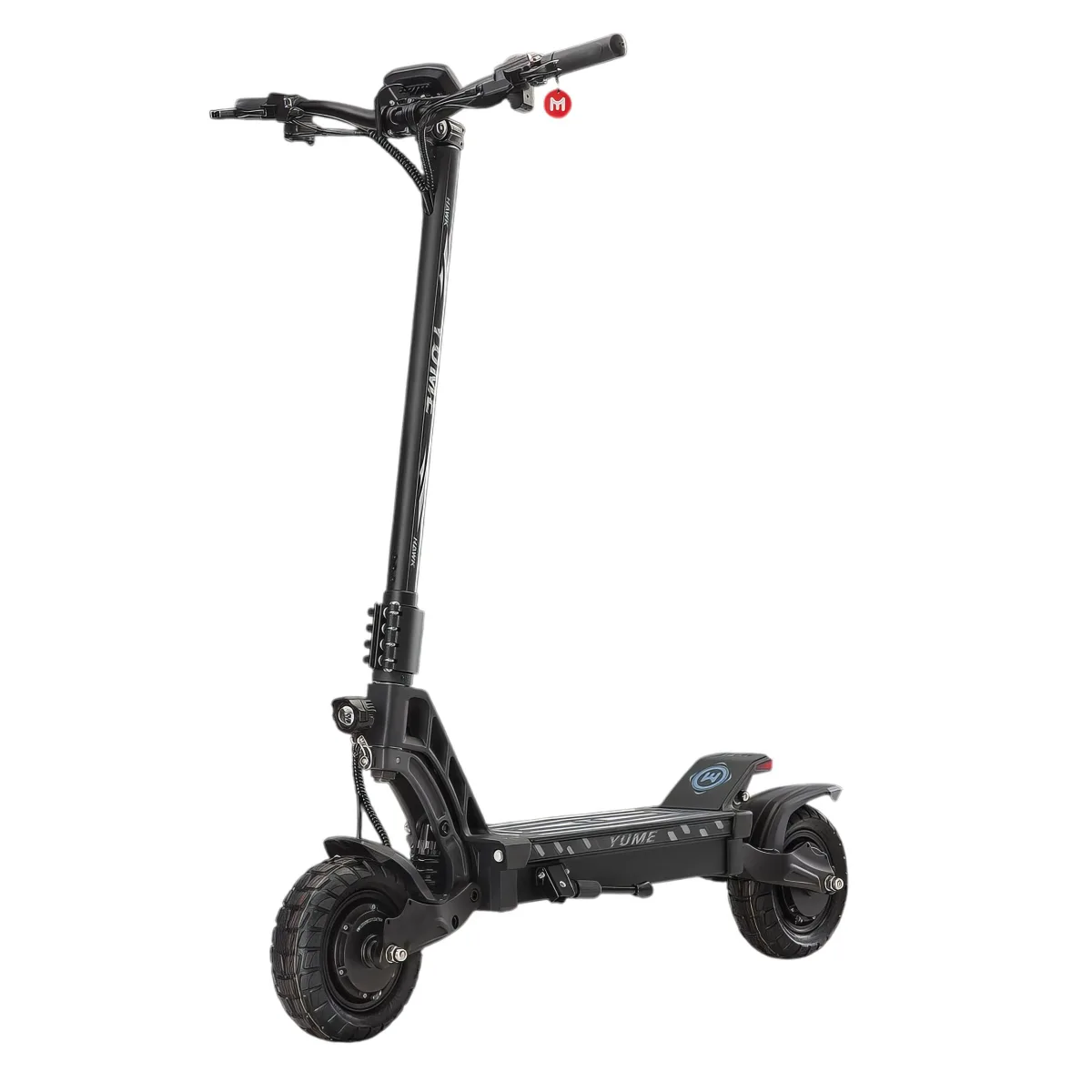
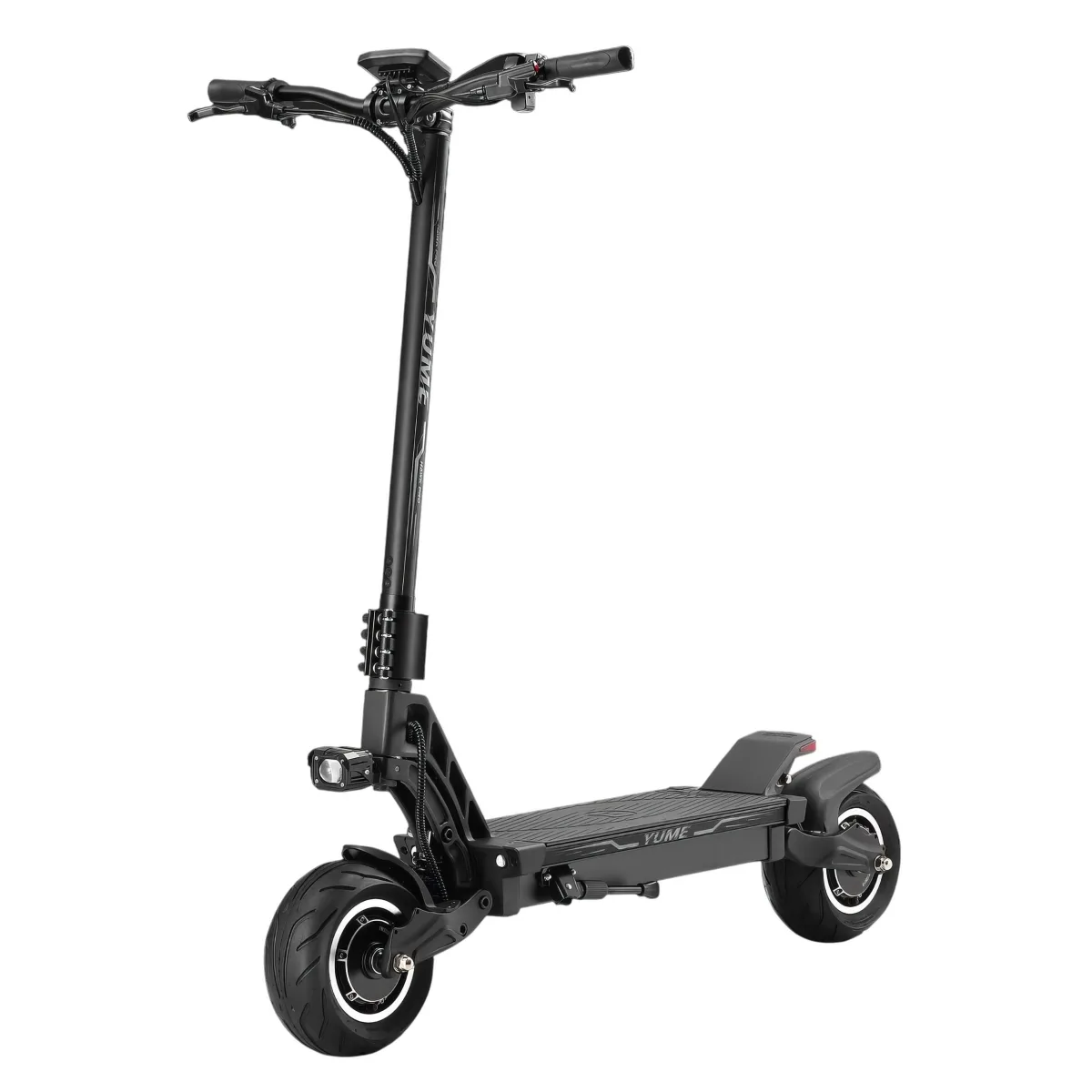
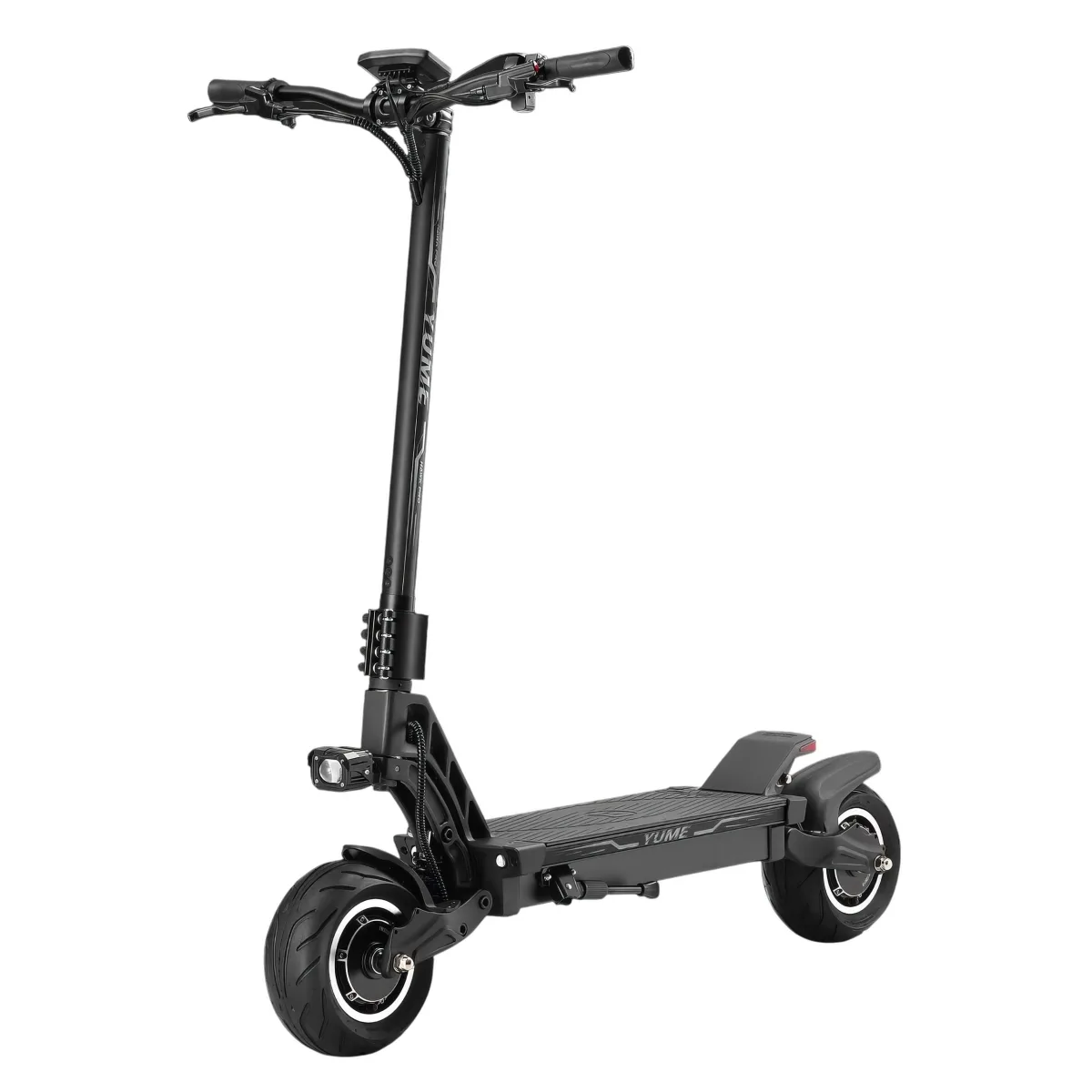
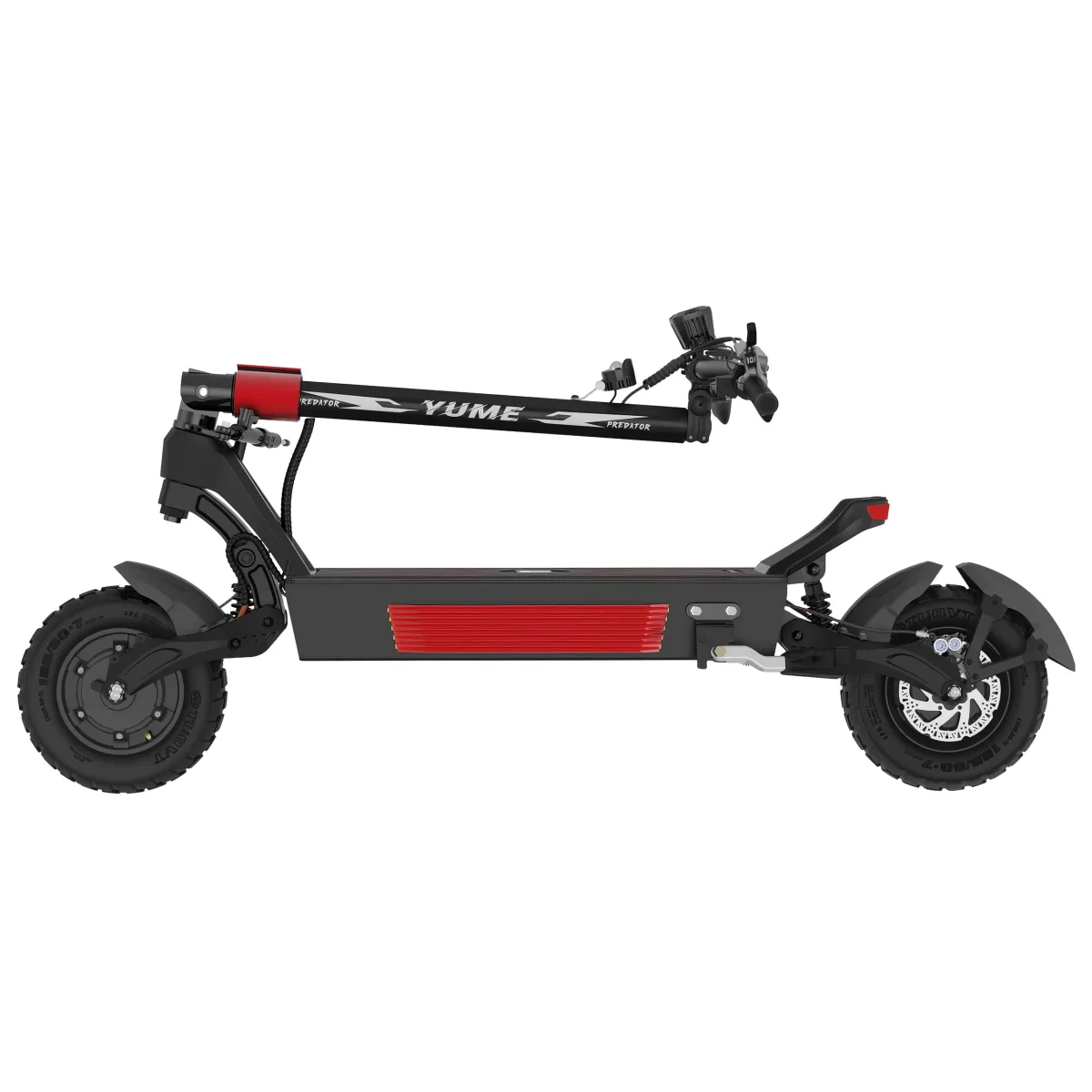
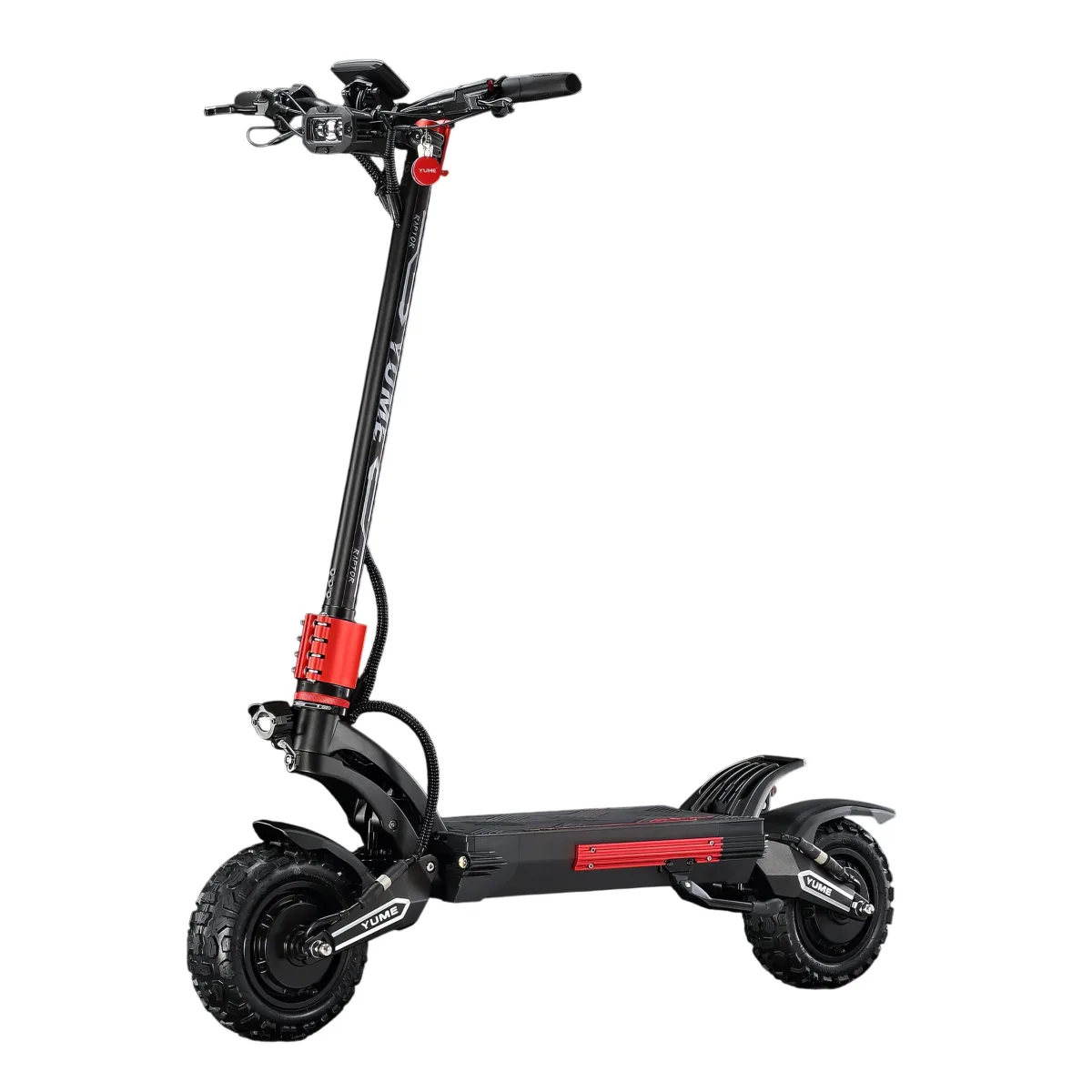
If you have somewhere to ride — a farm, a large yard, a private track, or an estate where the landowner has said yes — then spec matters more than road legality does. The Engwe Y1000 is a sensible private-land all-rounder at 15.5 mph with a claimed 62 miles of range on its 22.5Ah battery. The Freeboy J11 Plus and J15 Max push further into performance territory, and the Dualtron and GSpace models are track machines first and transport second.
Two honest notes. First, quoted range is best case: flat ground, a light rider, and a steady low speed. Expect less, especially in cold weather. Second, weight is the spec people forget — most of these machines are between 24kg and 42kg, and the big performance scooters are heavier still. If it has to go up steps or into a boot, weigh that up before you buy.
You will also see ABE certification on some listings. That is a German approval and it does not change the UK position — a scooter with ABE is still a private-land machine here.
See the full range at electric scooters, or start with Pure Electric and Kaabo if you want the commuter end of the market.
If what you wanted was a legal commute
Most people asking this question want to get to work. The machine that does that legally is an EAPC e-bike: 250W motor, assistance that cuts out at 15.5 mph, and pedals. Those are legal on roads and in cycle lanes, with no licence, tax or insurance needed. Compare electric bikes against the commute you actually do — distance, hills, and whether the bike has to go on a train.
If the rider has limited mobility, the legal options are Class 2 and Class 3 mobility scooters: Class 2 is pavement only at 4 mph, Class 3 does 8 mph on the road and 4 mph on pavements, has to be registered with the DVLA, and cannot use motorways. Our guide to choosing a mobility scooter covers Class 2 versus Class 3, range, kerbs and boot space. The machines themselves are at mobility scooters.
Delivery, wherever you are in the UK
One flat £45 per order, to any UK address, in 3–7 working days — the Scottish Highlands and Islands, Northern Ireland, the Isle of Man, the Isles of Scilly and the Channel Islands included, at the same rate and the same timescale. E-bikes and mobility scooters come by a two-person courier who books the day with you and delivers to the ground-floor threshold. The detail is on delivery and shipping; returns are on returns and refunds, and the warranty terms on warranty.