What the law actually says
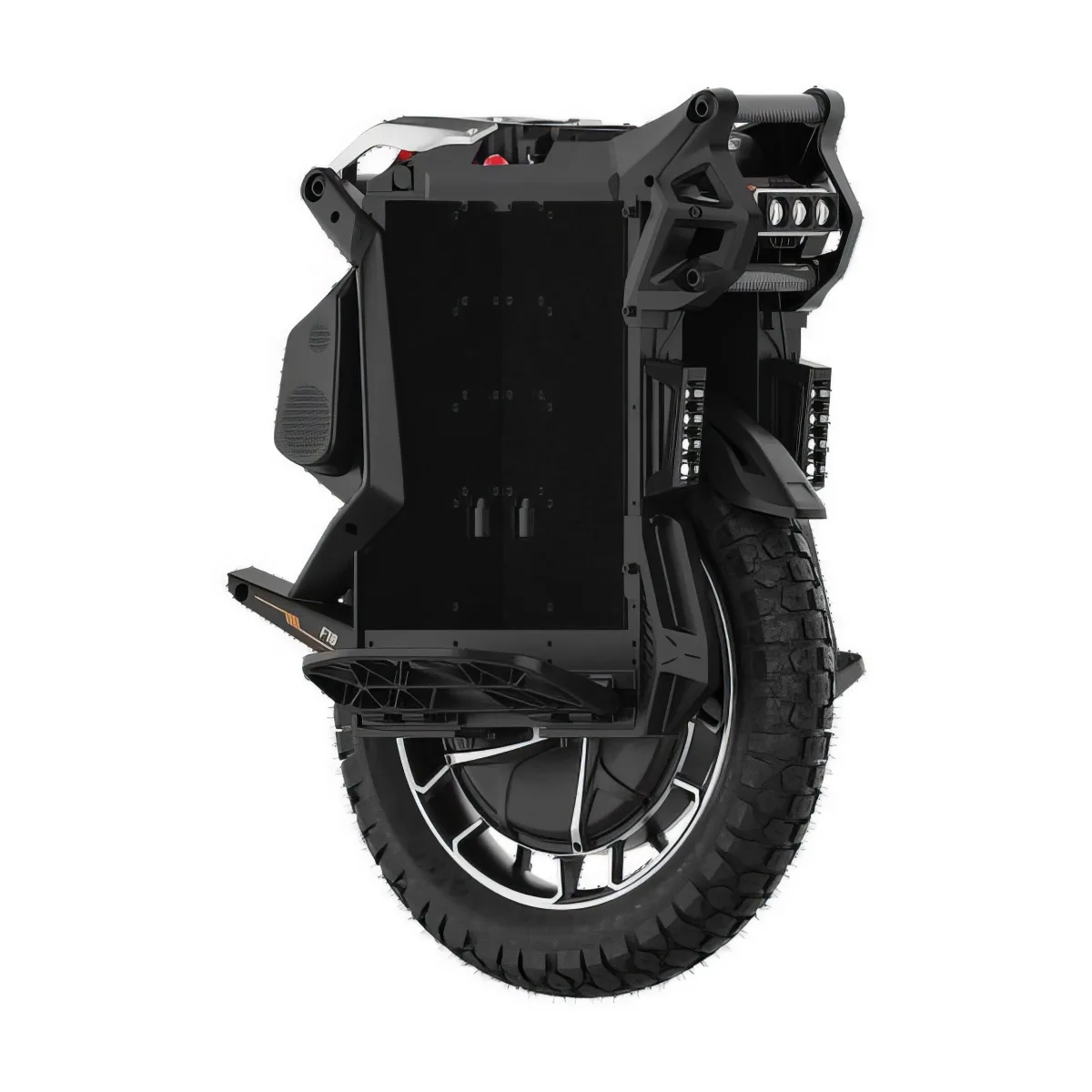
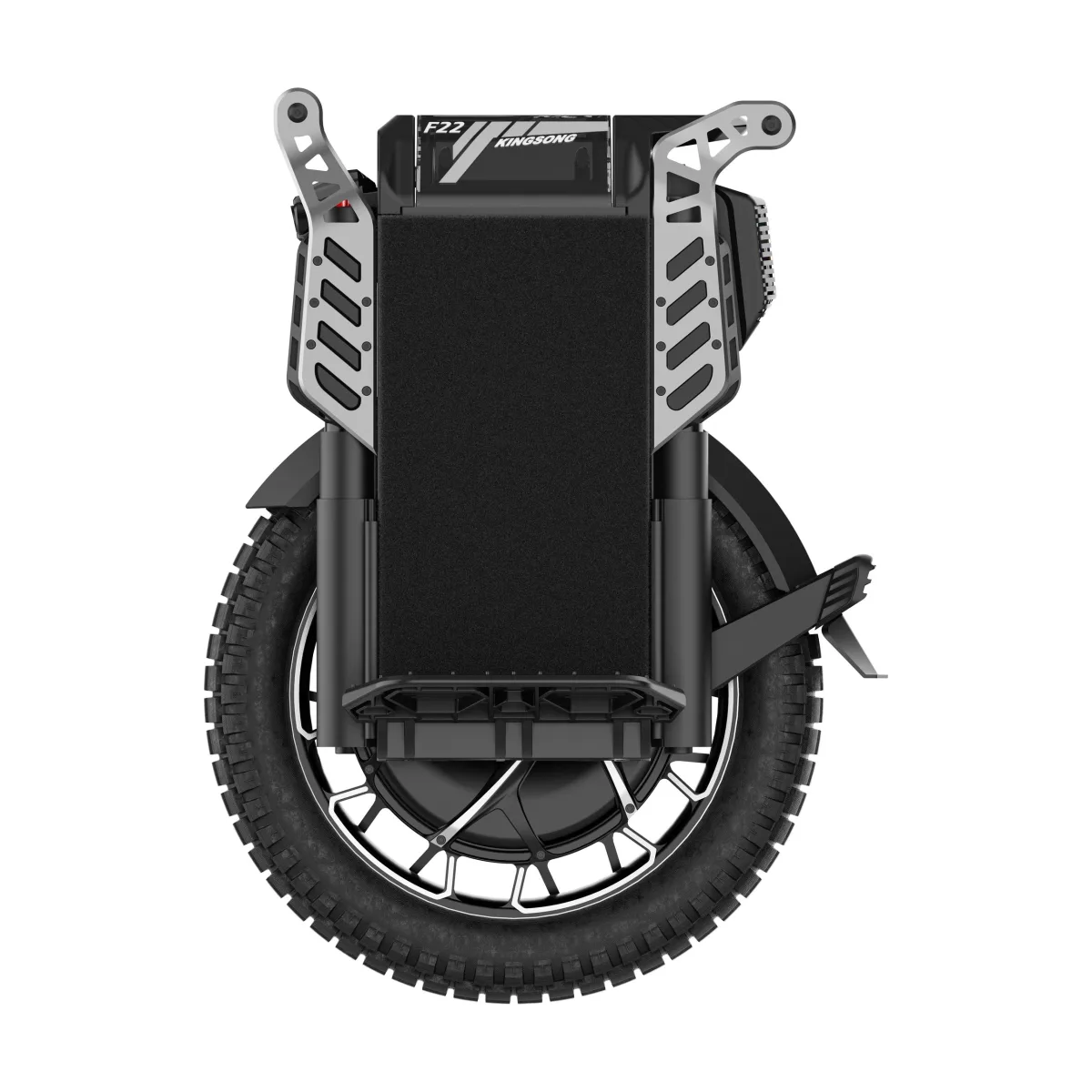
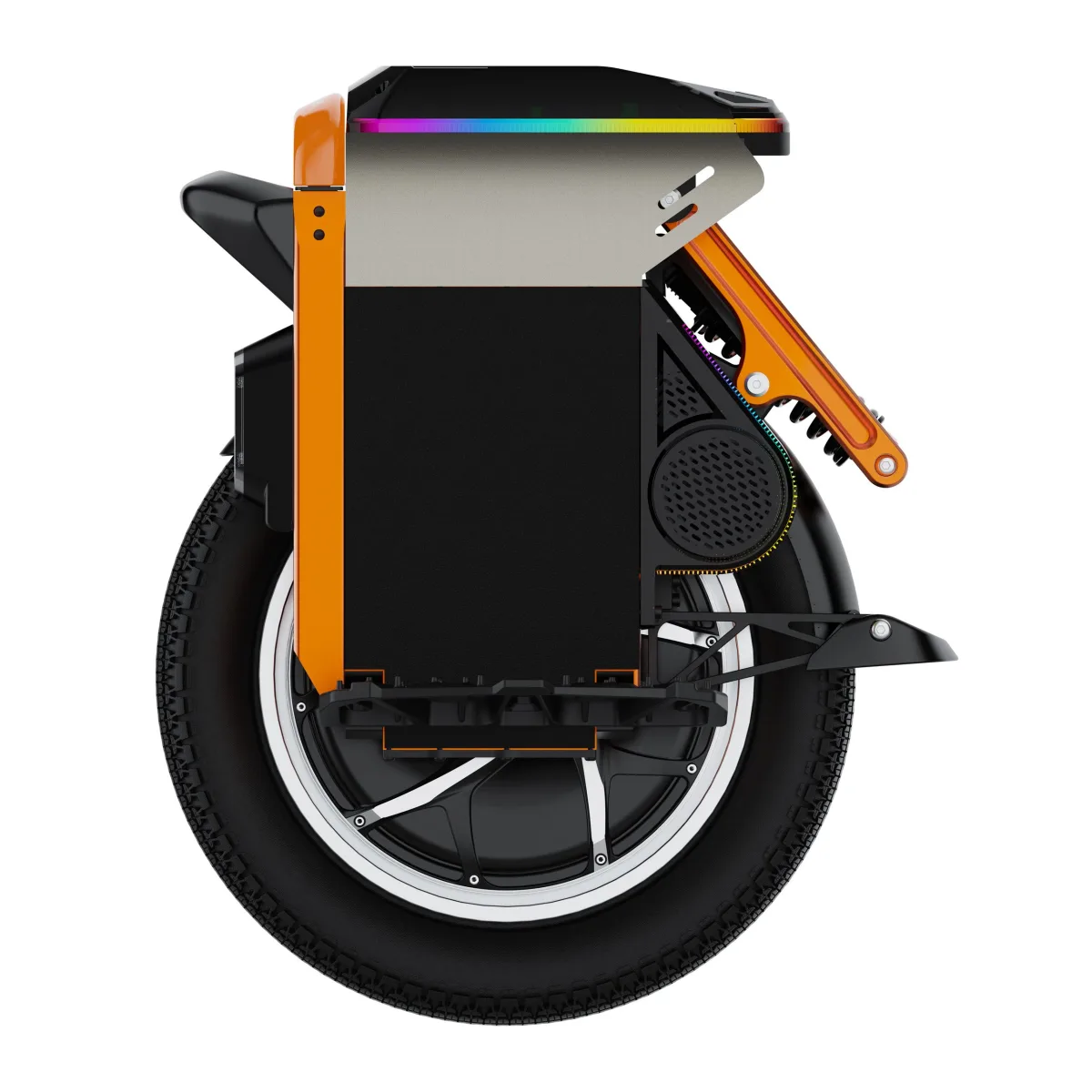
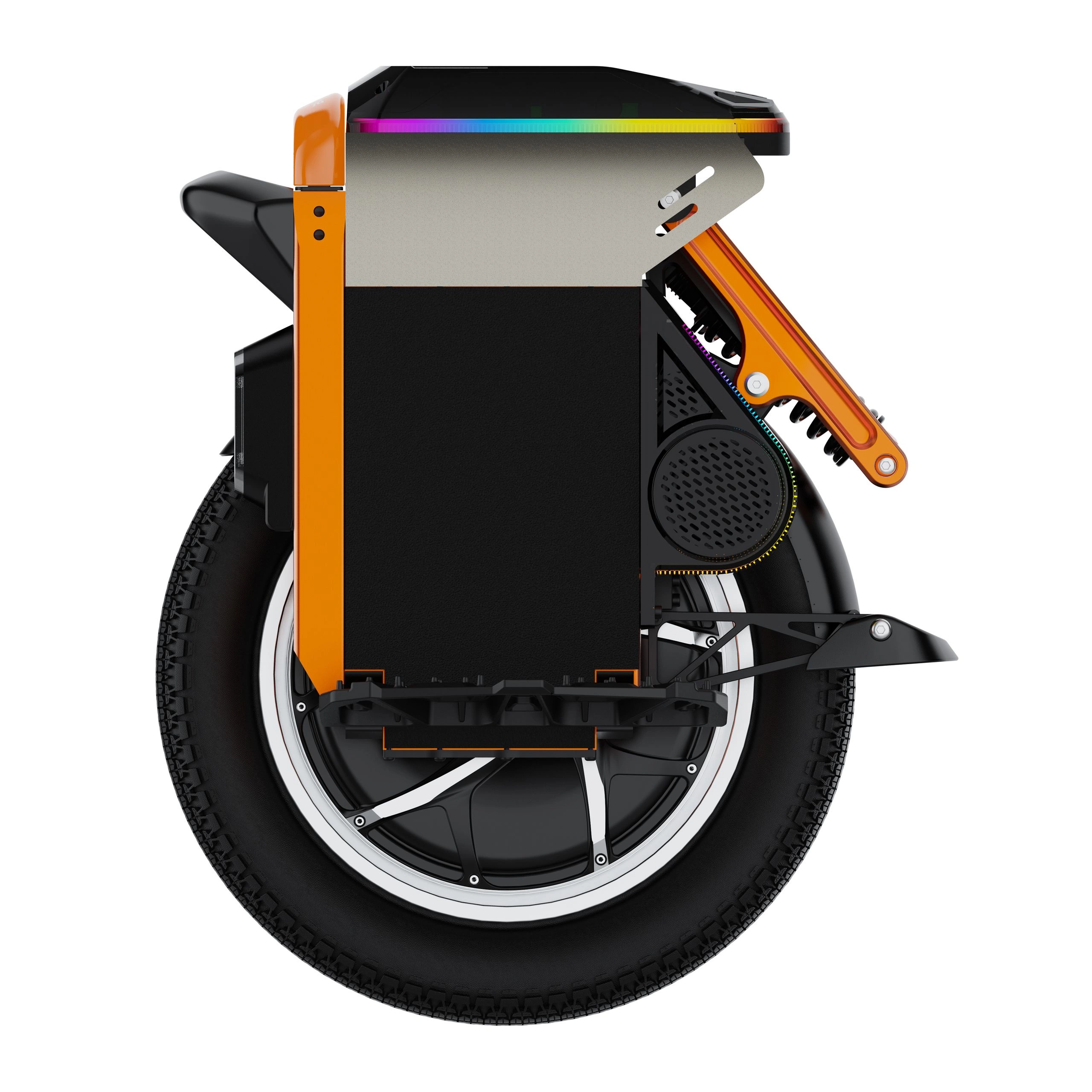
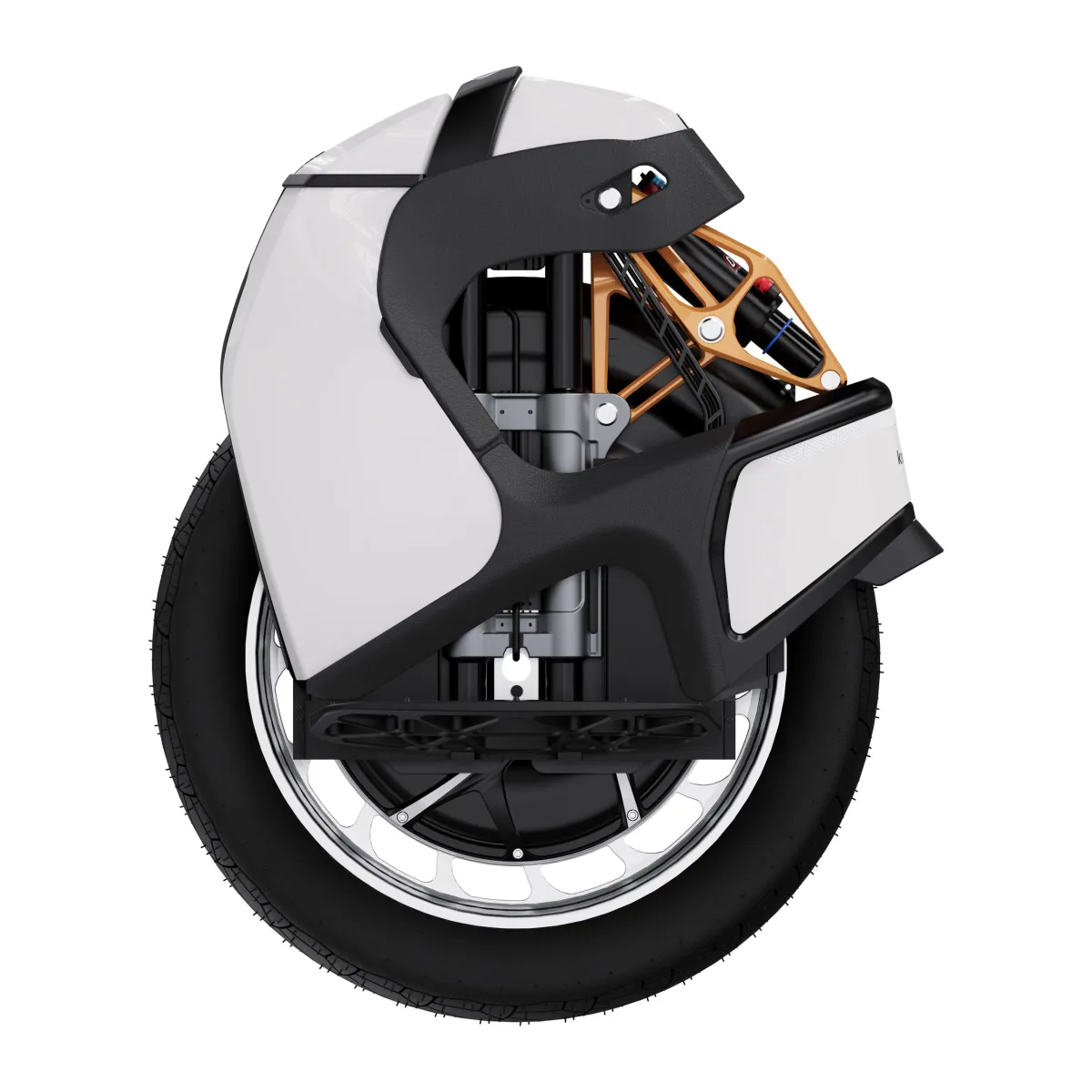
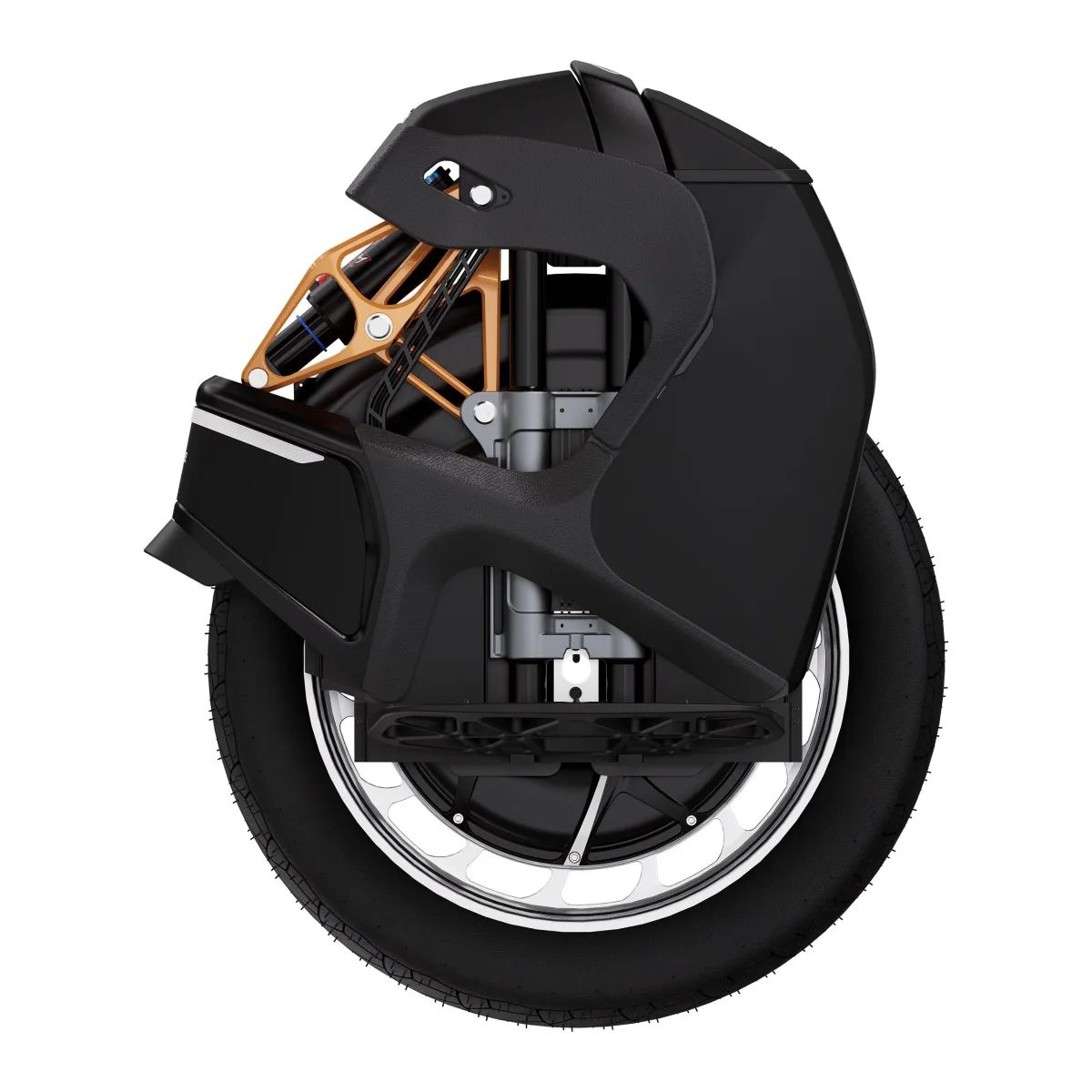
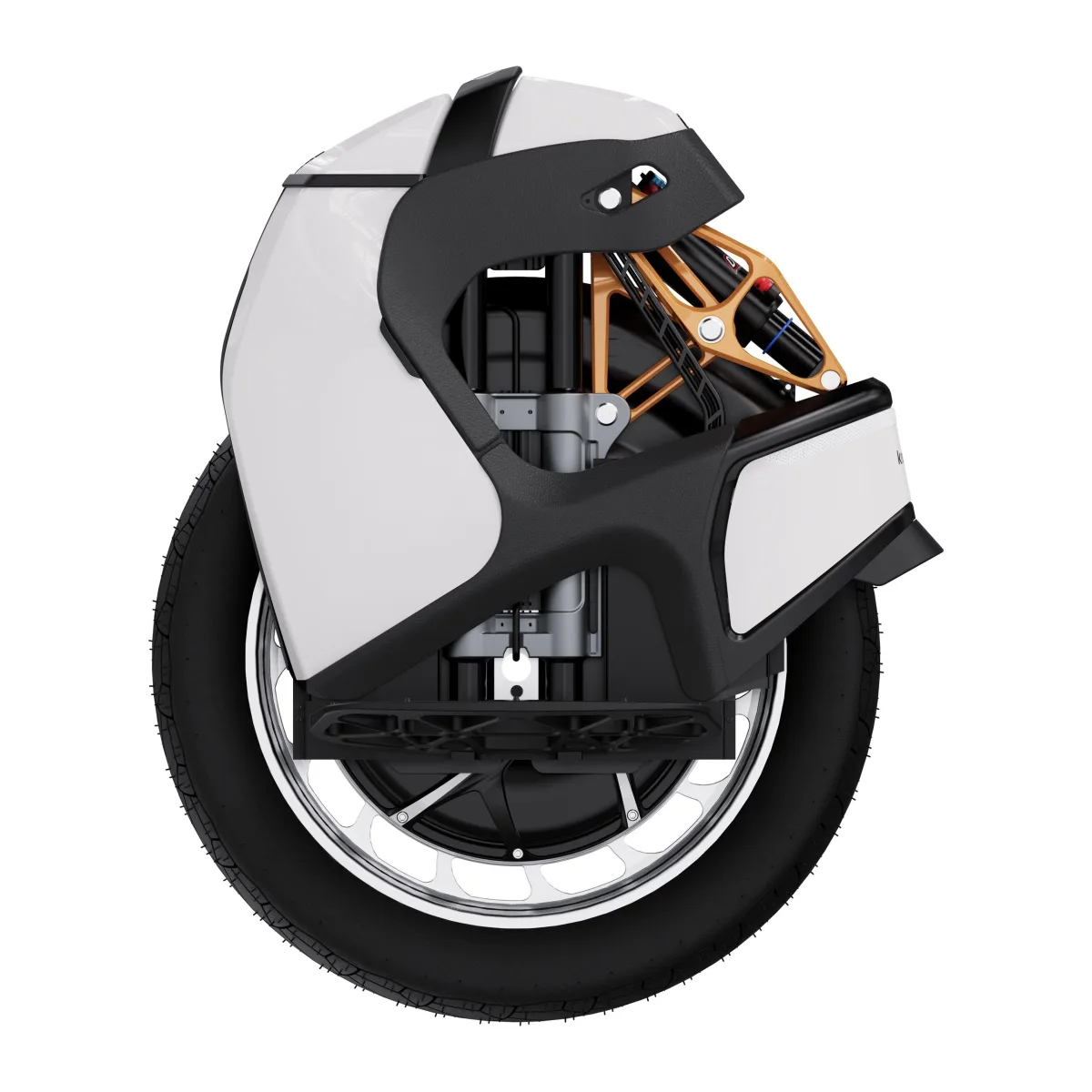
The government classes electric unicycles as powered transporters, alongside e-scooters, Segways and hoverboards — the official guidance names powered unicycles and u-wheels specifically. Because they are mechanically propelled and intended for use on roads, they fall inside the Road Traffic Act 1988 definition of a motor vehicle: any mechanically propelled vehicle intended or adapted for use on roads.
There is no separate legal regime for them. Every requirement that applies to a car or a motorbike applies to an EUC before it can go on a public road: type approval, motor insurance, vehicle tax, registration with the DVLA, a driving licence and the right safety equipment. A single-wheel self-balancing machine has no type approval route and cannot be registered or insured for road use, so there is no lawful way to put one on the road. Riding one there is a criminal offence, not a grey area.
Why an EUC can never be an e-bike
This is the misunderstanding worth killing first. An e-bike is road legal only as an EAPC: it needs pedals, motor assistance that cuts out at 15.5 mph, and a motor within the legal power limit. An electric unicycle has no pedals, so it is not an EAPC at any power or speed. Fitting a 250W motor and a 15.5 mph limit to a unicycle does not turn it into an e-bike, and no firmware setting or ride mode changes the category the machine sits in.
The rental side is closed too. The government's rental e-scooter trials cover approved two-wheeled scooters with handlebars, run by scheme operators, and the trial vehicle definition requires exactly that. No EUC qualifies, so there is no town or city in the UK where a privately owned unicycle becomes legal on the street.
Where you can and cannot ride
| Place | The position |
|---|---|
| Private land, with the landowner's permission | Legal. This is the only place a private EUC can be ridden. |
| Public road | Illegal. The machine cannot be taxed, registered or insured. |
| Pavement | Illegal under section 72 of the Highway Act 1835. Mobility scooters and wheelchairs are the exceptions, not unicycles. |
| Footpaths, bridleways and restricted byways | Illegal under section 34 of the Road Traffic Act 1988. |
| Cycle lanes and cycle tracks | Illegal under section 21 of the Road Traffic Act 1988. EAPCs and mobility scooters are exempt. EUCs are not. |
| Public parks, retail car parks, industrial estates, canal towpaths, university campuses, open-access forest trails | All public places, so all off limits. |
The test is access, not ownership. If the public can get in without permission, it is not private land for this purpose. A farm track behind a locked gate is fine. A country park with an open entrance is not, whoever owns it.
One more restriction in London
Transport for London does not allow e-unicycles on its services or in its stations, even folded, a rule brought in after battery fires. So carrying one on the Tube to reach private land is not an option there.
What happens if you ride one on public land
Because the machine is treated as an uninsured motor vehicle, the penalties are the motor vehicle ones: a fine, penalty points on your driving licence, and seizure of the unicycle. A conviction for driving without insurance follows you onto future premiums and can affect a licence you need for work. It is not treated like a cycling offence, and it is not a slap on the wrist.
Is it legal to buy or sell one?
Yes. Buying, owning, importing and selling an electric unicycle are all legal. The offence is using one on public land. That is why we sell them, and why we say plainly what they are for: private land, with the owner's permission, and nowhere else.
Buying for private land: what actually matters
If you have somewhere to ride — a farm, a yard, a private track, an estate where the landowner has said yes — spec is the whole decision. Weight, tyre and battery decide whether you will actually use the machine or leave it in the shed.
Weight, because you lift it
- Begode Mten Mini — 12.5 kg, 10 mph, 7 miles claimed. Small enough to treat like a skateboard.
- InMotion V8S — 16 kg, 22 mph, 47 miles claimed. The classic first wheel.
- Kingsong 16S — 17 kg, 22 mph, 50 miles claimed. Same weight class with a 16-inch wheel, so it copes better with rough ground.
- Begode A5 — 23 kg, 19 mph, 50 miles claimed. Bigger battery, still a car-boot lift.
- Begode Falcon — 25 kg, 31 mph, 40 miles claimed. Suspension, so it takes a track properly.
Above that class the numbers climb fast: the Begode ET Max is 45 kg, the Panther 60 kg. A 60 kg wheel is a two-person lift, and not something you carry up a step or over a stile.
Tyre and suspension
Street tyres are for tarmac, concrete and hard-packed ground. Off-road tyres are for grass, gravel and mud. Suspension is the difference between a wheel that is fun on rough ground and one that rattles your knees. If your private land is a field, buy off-road tyres and suspension; if it is a yard or a private drive, a street tyre is faster and quieter.
Range claims
Quoted range is the best case: flat ground, a light rider, a steady low speed, warm weather. Expect meaningfully less in the cold, uphill, or at the speeds these machines can actually reach. Treat the quoted figure as a ceiling, never a plan.
See the full range at electric unicycles, or go straight to Begode, Kingsong, InMotion and LeaperKim. Prices are on the product pages.
If what you actually wanted was a legal commute
Most people asking this question want to get to work. The machine that does that legally is an EAPC e-bike: pedals, 250W, assistance cutting out at 15.5 mph, legal on roads and in cycle lanes with no licence, tax or insurance. The bikes are at electric bikes, and the Cycle to Work route is explained on support. If the rider has limited mobility, the legal answer is a Class 2 or Class 3 mobility scooter: Class 2 is pavement only at 4 mph; Class 3 does 8 mph on the road, must be registered with the DVLA and cannot use motorways. The mobility scooter guide covers the choice, and the machines are at mobility scooters.
Delivery, anywhere in the UK
One flat £45 per order, to any UK address, in 3–7 working days — the Scottish Highlands and Islands, Northern Ireland, the Isle of Man, the Isles of Scilly and the Channel Islands included, at the same rate and the same timescale. E-bikes and mobility scooters come by a two-person courier who books the day with you and delivers to the ground-floor threshold. The detail is on delivery and shipping; returns are on returns and refunds, and the warranty terms on warranty.