Start with watt-hours, not miles
Battery capacity is printed two ways on every product page: amp-hours (Ah) and volts (V). Multiply them and you get watt-hours (Wh), which is the actual amount of energy in the pack. It is the only fair way to compare two bikes, because a big Ah number on a low-voltage pack can hold less energy than a smaller number on a 48V one.
- 13Ah at 36V is about 468Wh
- 15.6Ah at 48V is about 749Wh
- 18Ah at 48V is about 864Wh
- 6Ah at 36V is about 216Wh — a light pack for short trips
Those are sums, not claims: they come from the battery specs on the listings. Whatever a page says about range, it was measured on that pack in ideal conditions.
What eats the miles
- Assist level. Top assist on a hill can drain a pack several times faster than the lowest setting. Two riders on identical bikes can get very different days out of one charge.
- Weight. Rider, shopping, a child seat, a heavy lock. Every kilo is climbed and accelerated.
- Hills. A motor works hardest at low speed on a steep gradient. A hilly commute costs far more charge than a flat one of the same length.
- Headwind and rain. Wind is drag you cannot see, and it does not show up in any manufacturer's test figures.
- Cold. Lithium packs lose usable capacity in low temperatures, so the same bike goes noticeably less far in January than in July. The battery is not broken; it is cold.
- Stop-start traffic. Every pull-away from a junction is a burst of power. A steady towpath run beats a city centre errand loop.
- Tyres and brakes. Soft tyres and a dragging brake quietly steal range. Check pressures weekly.
Match the number to your actual journey
Work out your real round trip first — distance, plus the hills, plus the fact that you will sometimes carry more than you planned. Then look at the maximum range on the product page and ask what fraction of it your commute is. If your round trip is a serious slice of the stated figure, either step up to a bigger battery or plan to charge at the other end. Most packs are removable, so a second charger at work is usually the cheaper answer than a second battery.
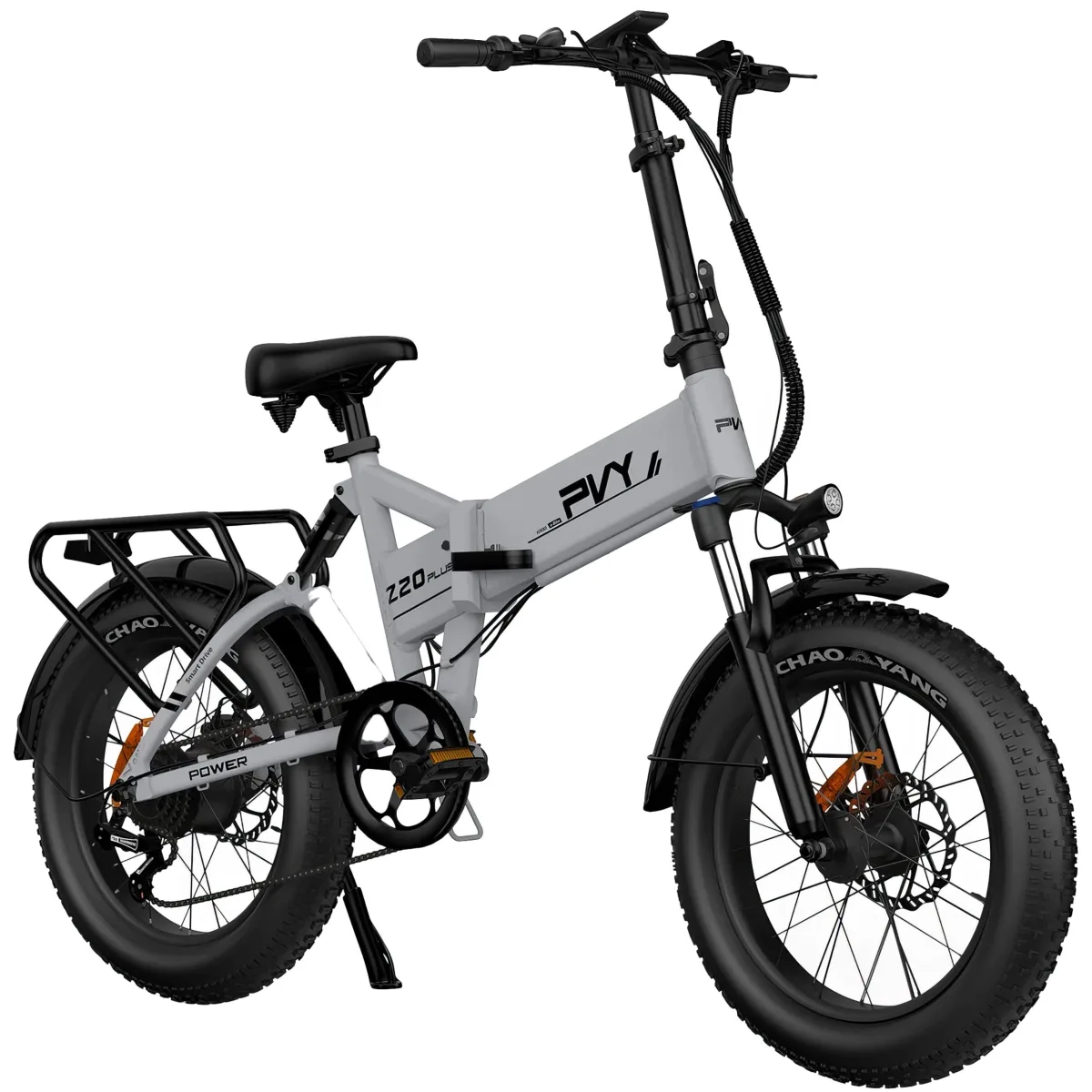
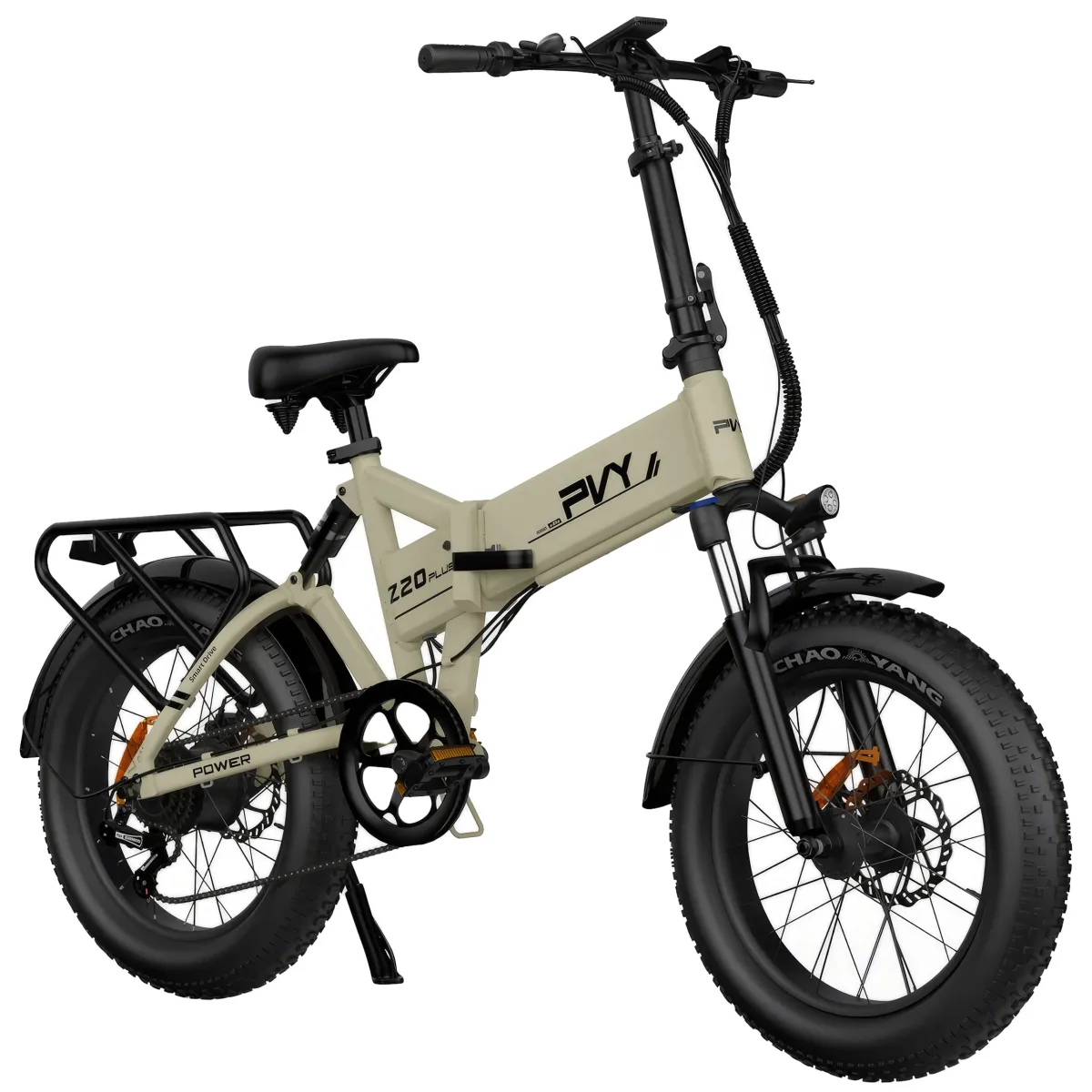
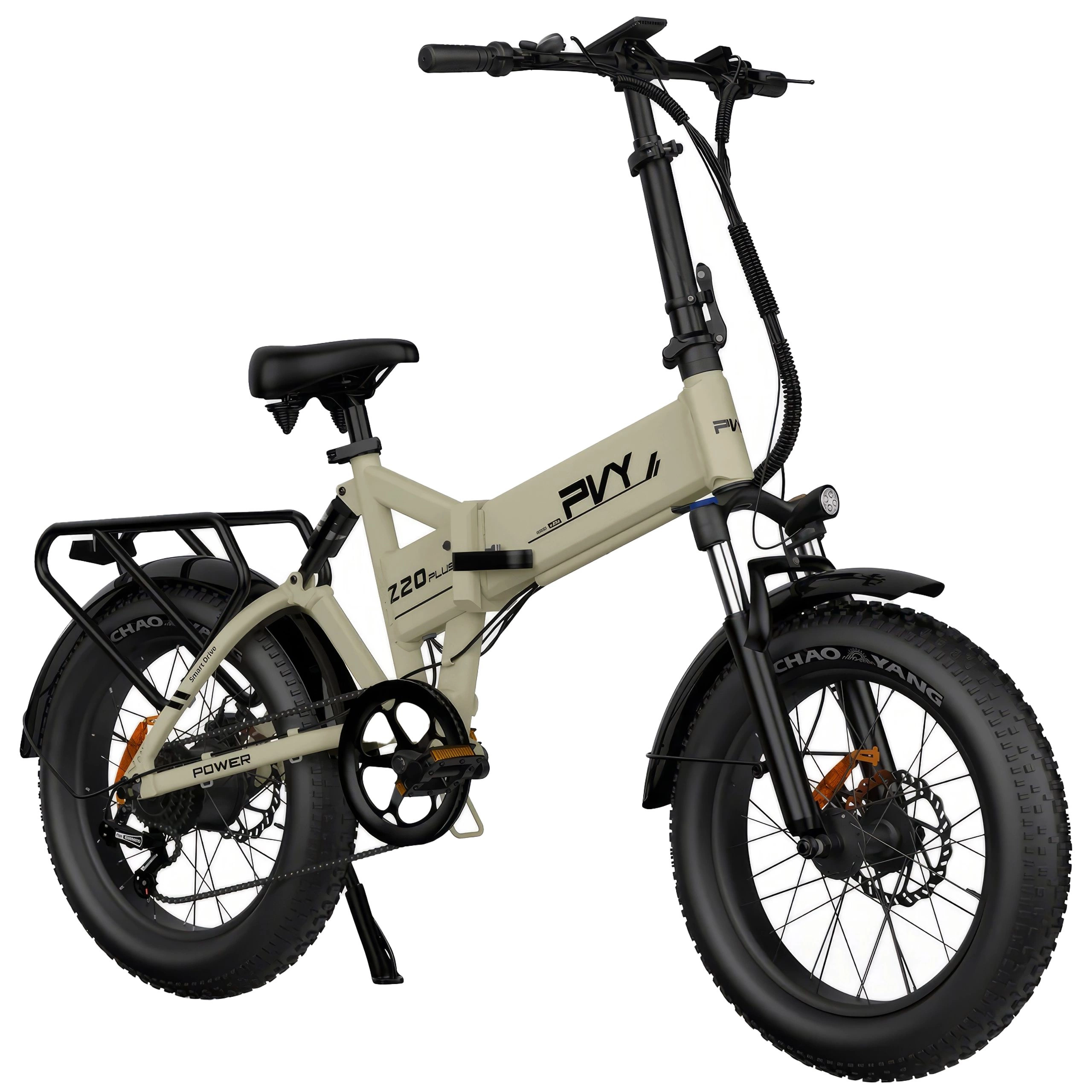
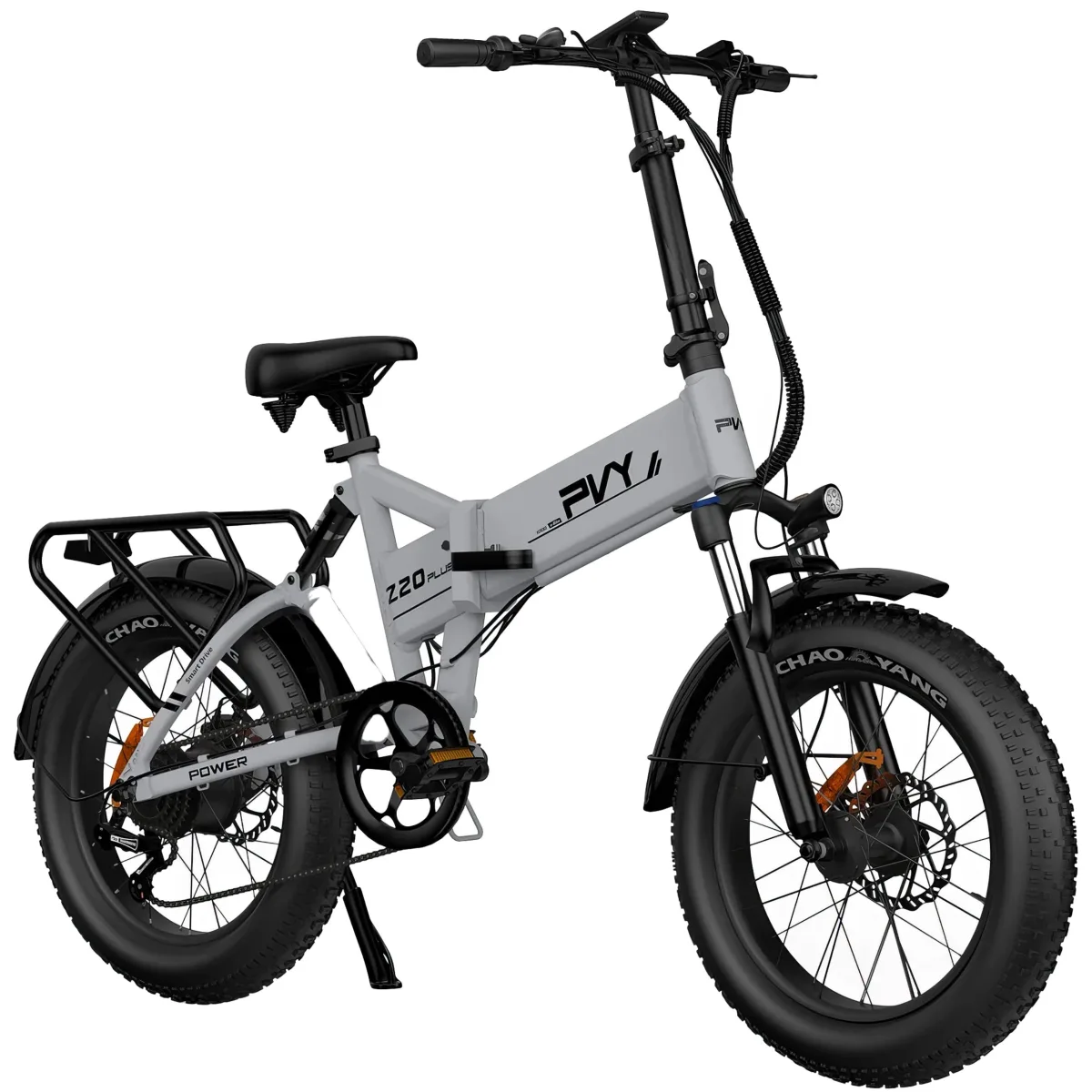
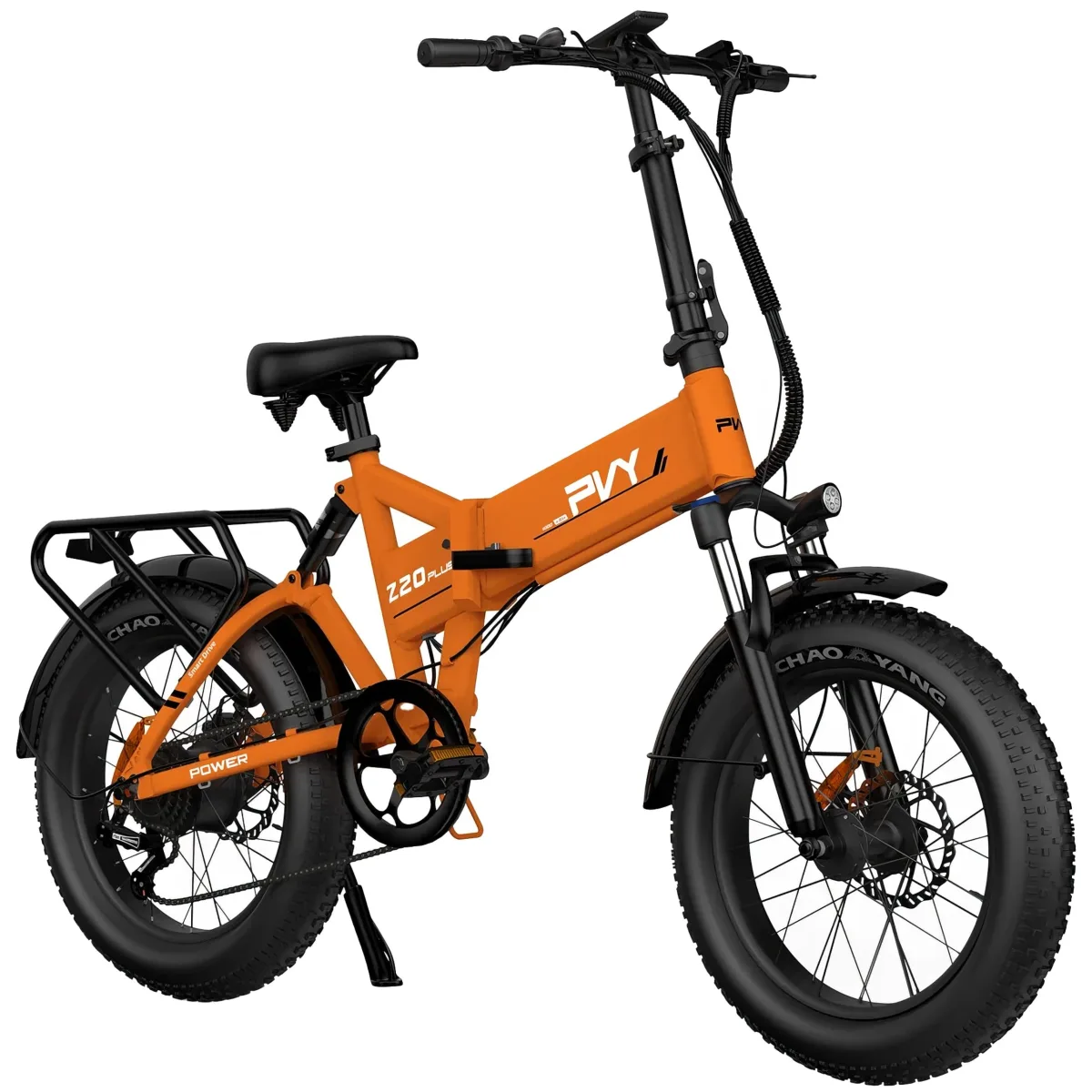
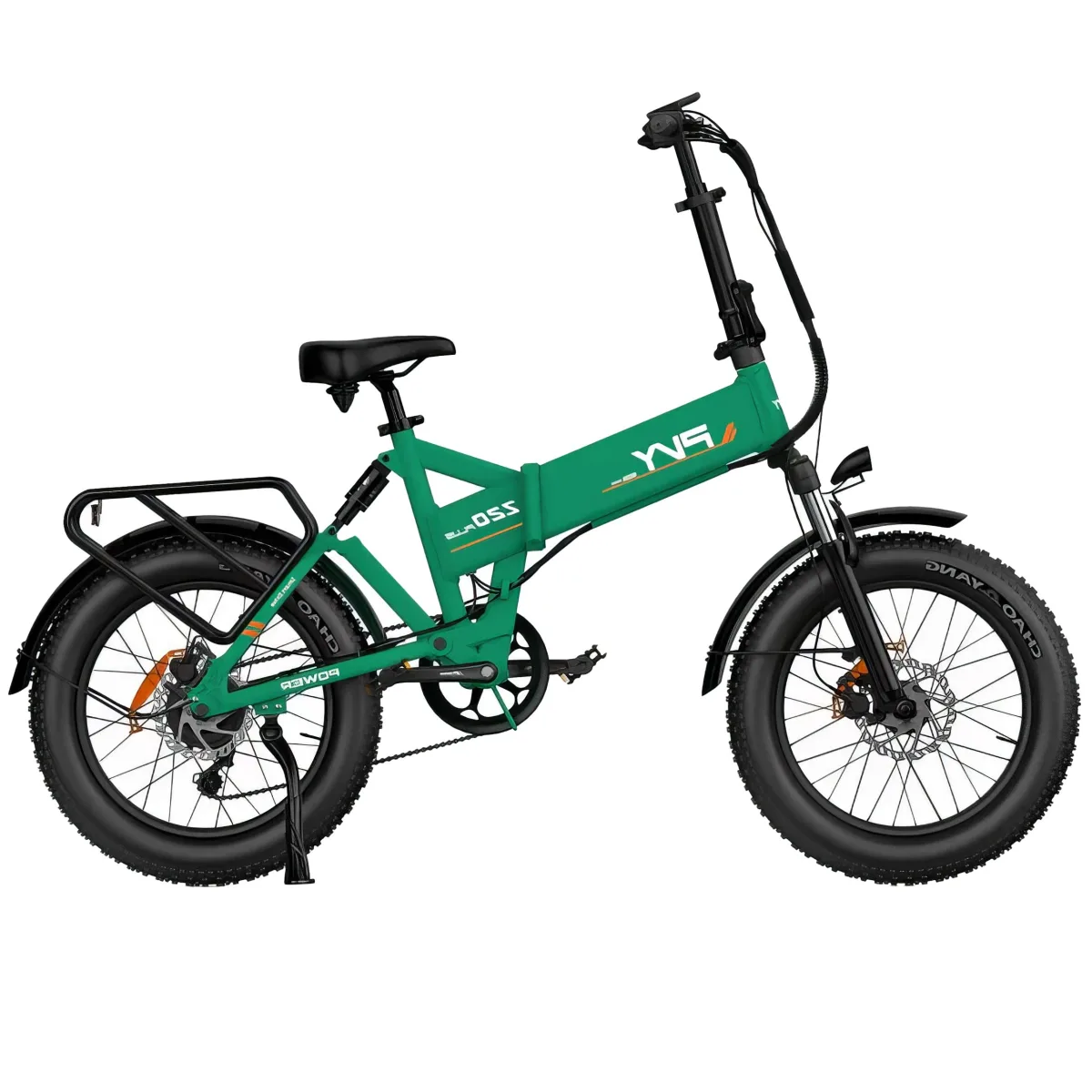
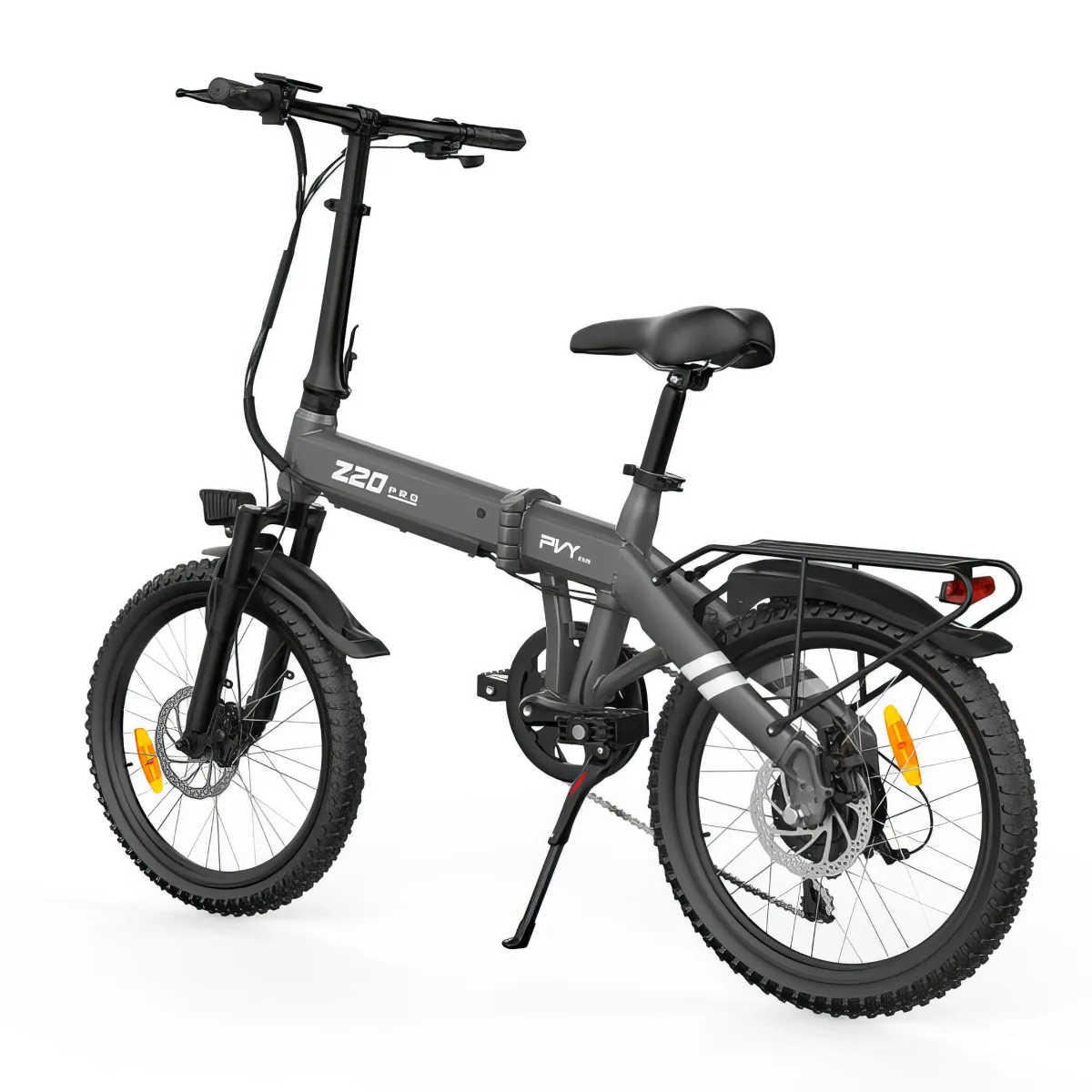
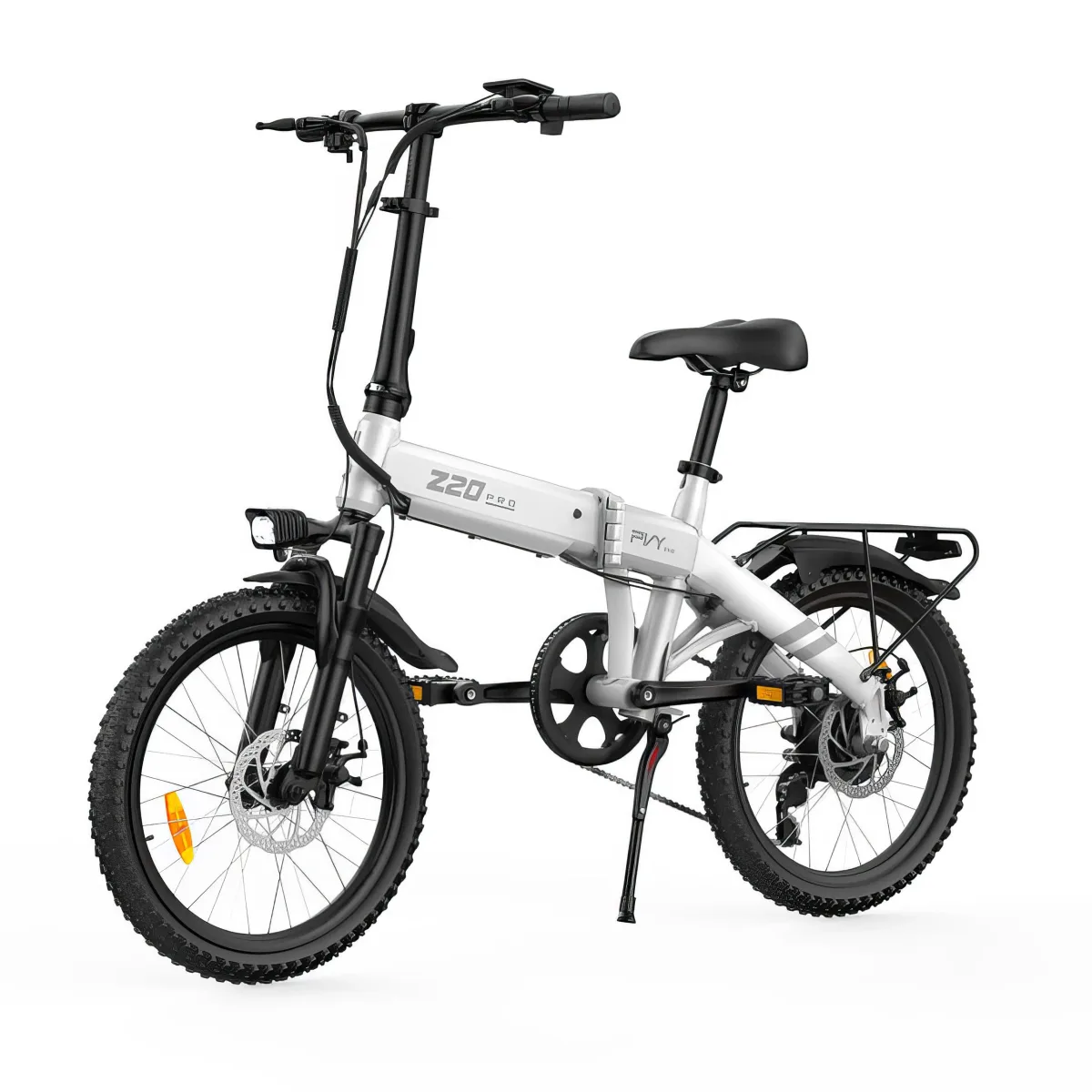
A folding e-bike with a smaller pack can be the right call if you can top it up at a desk or take it on a train; a fat-tyre or cargo machine with a big pack suits the rider who cannot charge mid-trip and does not want to think about it. If your commute is short and flat, spending on extra watt-hours buys weight you will carry for nothing.
Making a charge go further
- Ride one assist level lower than feels natural and use the gears properly — the motor is there to help you pedal, not to replace pedalling.
- Keep tyres at pressure and brakes free of drag.
- Strip weight you do not need off the bike and out of the panniers.
- Ride smoothly: gentle pull-aways, steady speed, no hard acceleration uphill.
- Store and charge the battery indoors in winter. A pack charged in a cold garage starts the ride already down on capacity.
- Do not leave a pack empty for weeks. Charge it to roughly half if the bike is going into storage.
The legal limit sits above the range question
A UK-legal e-bike is an EAPC: motor assistance up to 250W and cutting out at 15.5mph, with pedals. Those bikes go as far as their battery allows and are legal on the road, cycle lanes and bridleways where cycling is permitted. Some machines in the catalogue are above that limit — 750W, 1000W and faster — and those are for private land with the landowner's permission, or for registration and road use where that applies. So if the product grid below shows a faster bike than you expected, that is why: check the motor watts and top speed on the listing before you assume it is road legal.
What to read on each product page
Battery capacity in Ah and V, so you can work out the watt-hours. The stated maximum range. Motor power and top speed, for the legal question. Weight, because a heavy bike with a flat battery is a long walk home. And charge time, so you know what a top-up costs you.
If you tell us your commute, your weight and whether there are hills on it, we will tell you honestly whether a given bike will do it — and we will talk you out of the wrong one. Browse the electric bikes, or read about Cycle to Work if you are buying through your employer.